
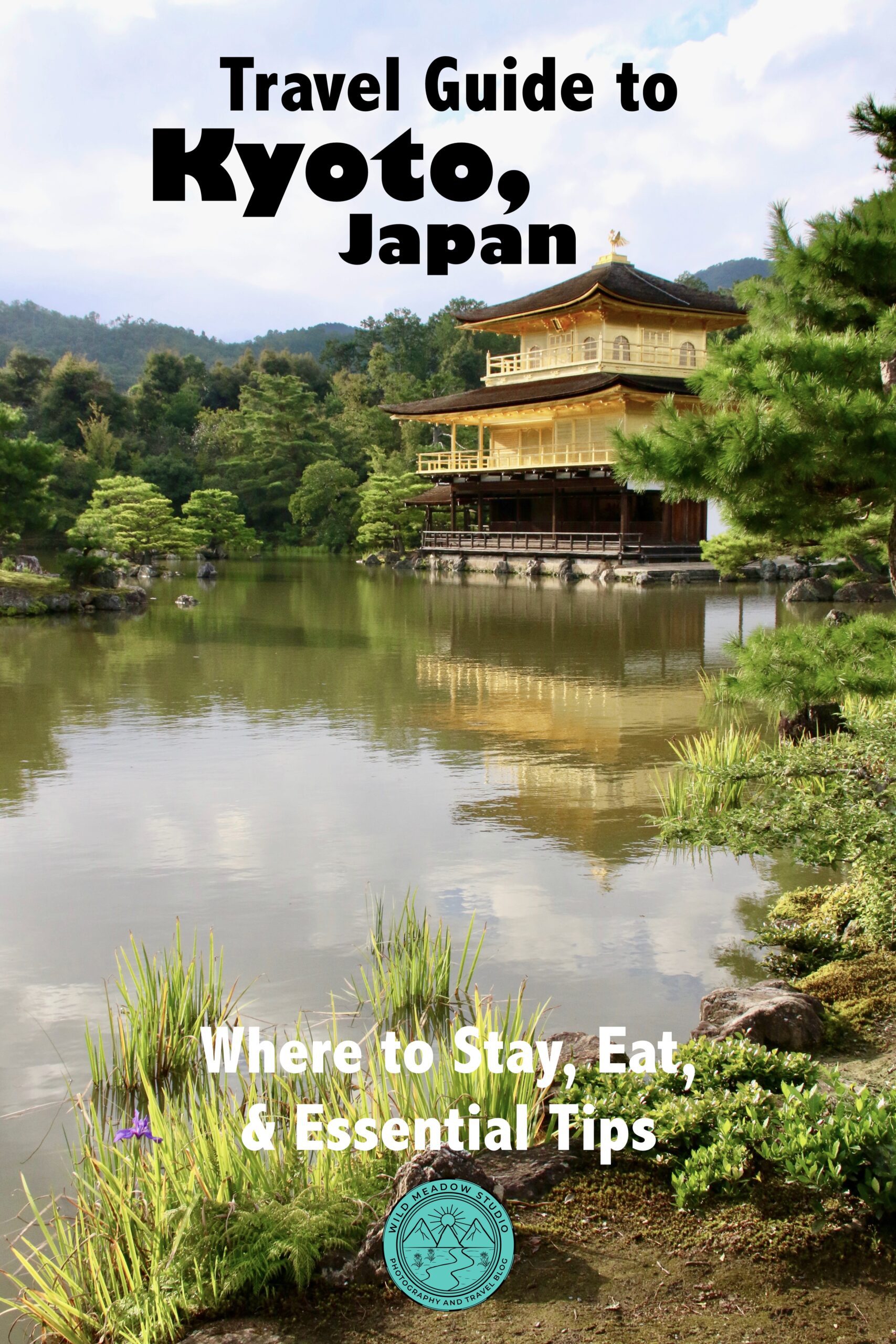
Our relaxed, early morning travel style is something we love, so much so, we wrote a blog and 2 free downloadable travel guides on it, “Your Daily Slow Travel Planner + Bonus Relaxed Morning Blueprint” request your free copies at the top of the page or through one of our pop ups.
Planning a trip to this destination?
We offer a personalized travel planning service to help you build a relaxed, memorable trip that’s uniquely yours. Contact us today to make your appointment and let’s plan something special. Your initial planning session is complimentary, in hopes that when you start to book your trip, accommodations, car rentals, trains, tours, or activities you would consider using our recommended affiliate links, as we would then get a small commission that would help support our business, at no additional cost to you.
For more information and inspiration on Kyoto, Japan, checkout our other articles in this travel series: “Top 7 Things to do in Kyoto, Japan: Pavilions, Shrines, & Tranquil Moments” and “3-Days in Kyoto, Japan: with detailed Itinerary”.
For flights, car rentals, activities, and stays we use Expedia, if you make an account with them, you will earn One Key Cash (travel dollars), with each booking, to go towards your next adventure. For tours, activities, and more, we use Get Your Guide or Viator. For train travel, we use the convenient OMIO App.
Disclosure: Some of the links in this post are affiliate links. This means that if you choose to make a booking or purchase through one of these links, we may earn a small commission at no additional cost to you. I only recommend places, experiences, and products that we have personally used or genuinely believe add value to a trip.
Table of Contents:
- Introduction
- Where to Stay in Kyoto
- Where to Eat in Kyoto
- Essential Local & General Travel Tips
- Our Fav Photo from our time in Kyoto
- How to Make Kyoto-Style Kitsune Udon: A Taste of Kyoto at Home
- References
- The Wrap up
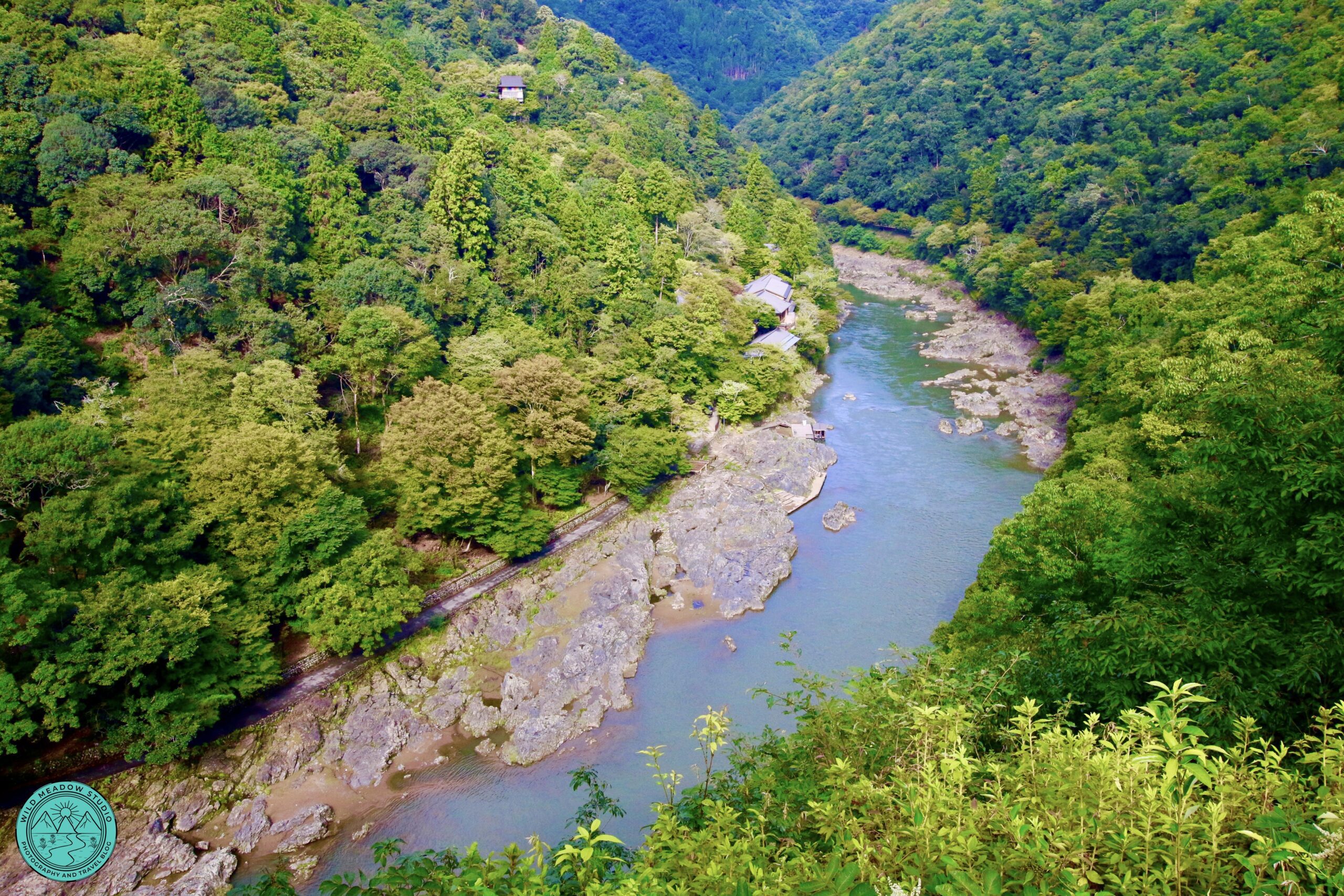
Views in Arashiyama
1. Introduction:
Kyoto is one of those cities where a little planning can make a big difference. With thousands of temples and shrines, neighbourhoods that each have their own character, and attractions spread across the city, knowing where to stay, how to get around and when to visit can make your time here much more enjoyable.
In this guide, we’re sharing some of the places we’d consider for staying and eating, along with the practical tips we learned along the way—from getting around by train and bus to choosing the best time of year to visit.
We’ve also included a few things we wish we’d known before arriving, so you can spend less time figuring out the logistics and more time enjoying Kyoto.
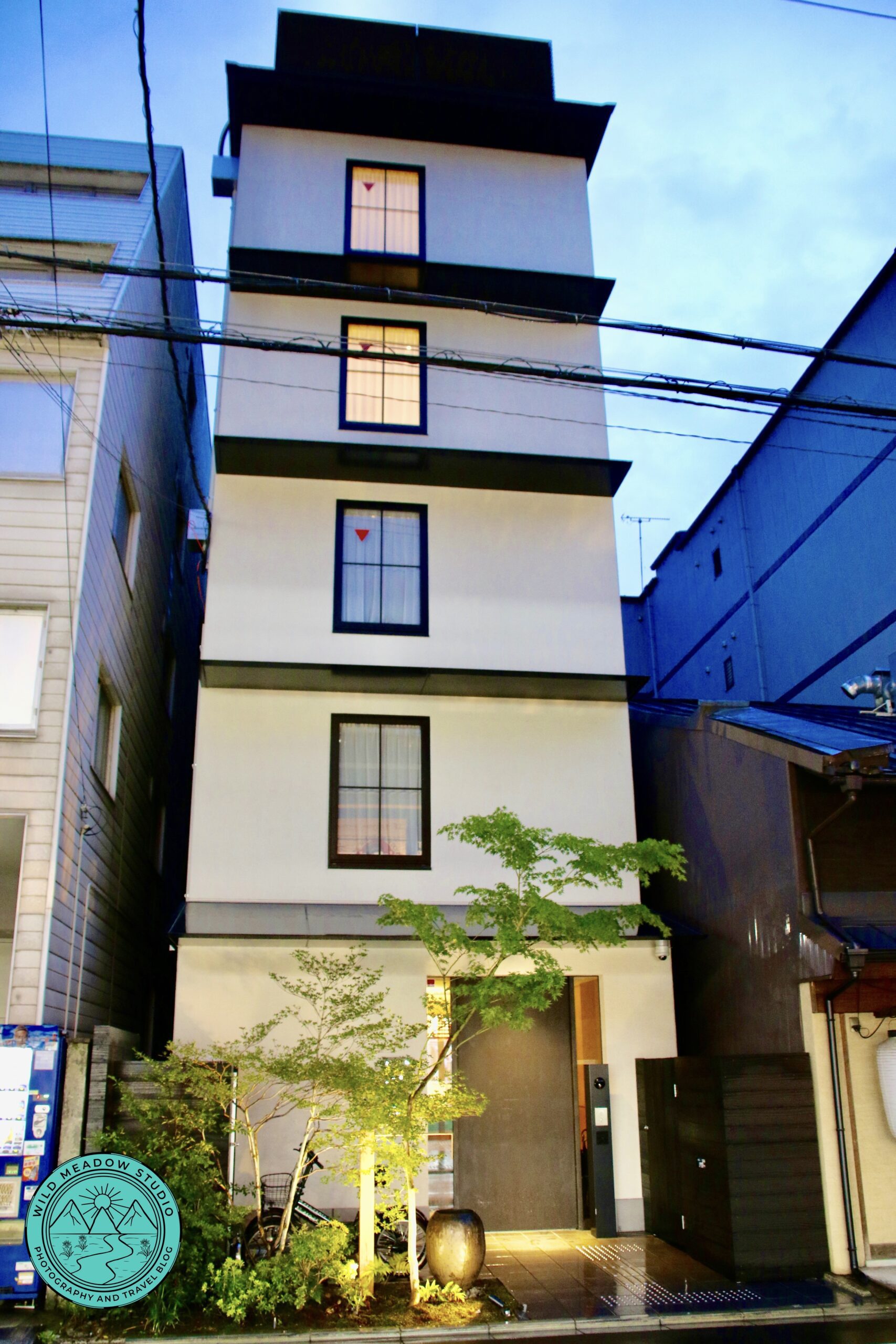
Kabin Machi (where we stayed)
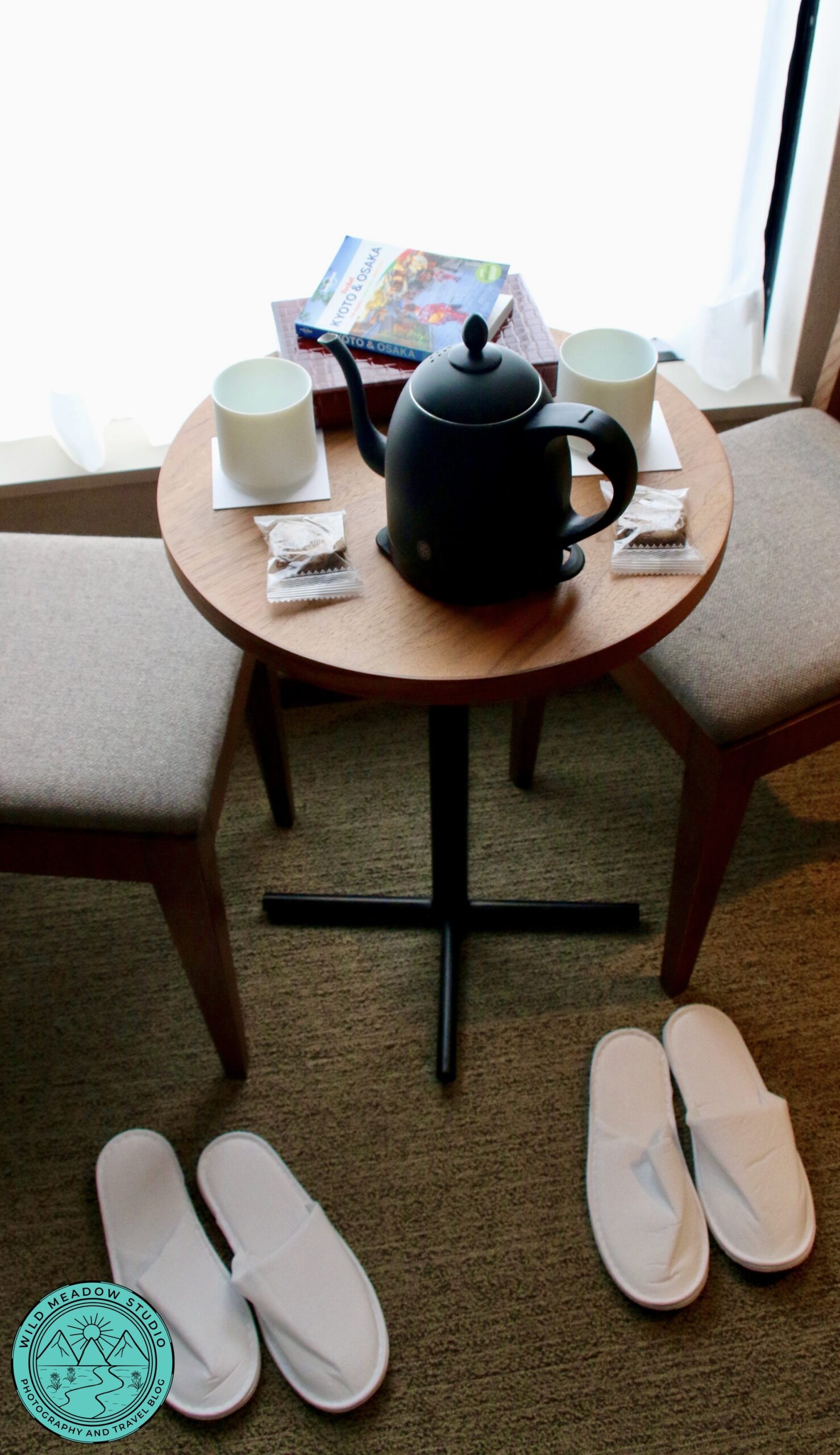
Inside our Hotel Room
2. Where to Stay in Kyoto:
Where you stay in Kyoto can have a big impact on your trip. For a first visit, we’d look at central Kyoto, Gion/Higashiyama or the area around Kyoto Station.
Central Kyoto is convenient for restaurants, shopping and public transportation, while Gion puts you closer to many of the historic streets and temples. Kyoto Station is particularly useful if you’re planning day trips or travelling elsewhere in Japan.
Here are seven options at different price points:
Central Kyoto | Mid-range
Located in the heart of central Kyoto, Hotel Resol Trinity is a convenient choice for travellers who want to be close to restaurants, shopping and public transportation. It’s within easy reach of the Kawaramachi and Sanjo areas, making it a good base for exploring central Kyoto on foot while still having access to trains and buses.
The hotel also has a traditional Japanese-inspired design and an on-site public bath, giving you a little taste of Japanese hospitality without moving into luxury-hotel pricing.
Best for: A comfortable central base with easy access to the city.
Central Kyoto | Mid-range
If location is your priority, Hotel Gracery Kyoto Sanjo is worth considering. It’s located right in the Sanjo shopping district, close to Nishiki Market, restaurants and plenty of shops.
It’s a particularly practical choice if you like having restaurants and things to do right outside your door rather than relying on transportation every time you want to go out.
Best for: First-time visitors who want to be in the middle of the action.
Central Kyoto | Budget-friendly
For travellers looking for something a little easier on the budget, Sotetsu Fresa Inn Kyoto-Shijokarasuma is in a very convenient location near Shijo Station.
Being close to the subway makes getting around easier, particularly when you’re planning days that combine several different areas of Kyoto.
Best for: Travellers who want a clean, convenient base without paying for a luxury location.
Gion | Upscale to Luxury
If staying in the historic atmosphere of Kyoto appeals to you, the Gion area is hard to beat. Hotel The Celestine Kyoto Gion places you close to the traditional streets of Gion and Higashiyama, with many temples, shrines and historic areas within walking distance.
It’s a lovely option for those who want to experience Kyoto’s atmosphere after the day-trippers have gone home.
Best for: Couples or travellers looking for a more traditional Kyoto atmosphere.
Kawaramachi | Upscale
For something more special, The Gate Hotel Kyoto Takasegawa is in a fantastic central location near Kiyamachi and the Takase River, with easy access to restaurants, shopping and Gion.
The hotel occupies a beautifully renovated former school building, giving it considerably more character than a typical modern hotel.
Best for: A special stay with a central location and a little more luxury.
- KABIN Machi — Central Kyoto | Budget-friendly
This is where we stayed during our visit to Kyoto, and we loved the location. It’s tucked into a quiet central neighbourhood, yet within easy walking distance of Nishiki Market, Shijo Street and many restaurants and shops.
One of the things we particularly liked was the hotel’s connection with its nearby sister properties, which allowed guests to make use of some shared facilities. The staff were very helpful and friendly; the common area was peaceful and there was a grocery store right across the street. The rooms were small but worked for us.
The hotel has since changed its name and was renovated in 2023, but the property remains in the same location and is now part of the KABIN hotel group.
Best for: Couples, location and cleanliness.
- IMU Hotel Kyoto – Central location | Affordable
If you’re looking for a more budget-friendly option without giving up a convenient location, IMU Hotel Kyoto is worth considering. Located in the Shimogyo district, the hotel is just a short walk from Shijo Subway Station and Karasuma Station, making it easy to get around Kyoto.
Rooms are simple but comfortable, with private bathrooms, free Wi-Fi, refrigerators and air conditioning, while options range from double and twin rooms to Japanese-style tatami rooms that can accommodate up to four people. The hotel also has a café and bar, luggage storage and a relaxed tatami lounge area. Nishiki Market is about a 14-minute walk away, making this a particularly convenient choice if you want to explore the central Kyoto area on foot.
Best for: A good-value option for travellers who want a central location and comfortable private rooms without paying the premium prices of some of Kyoto’s more upscale hotels.
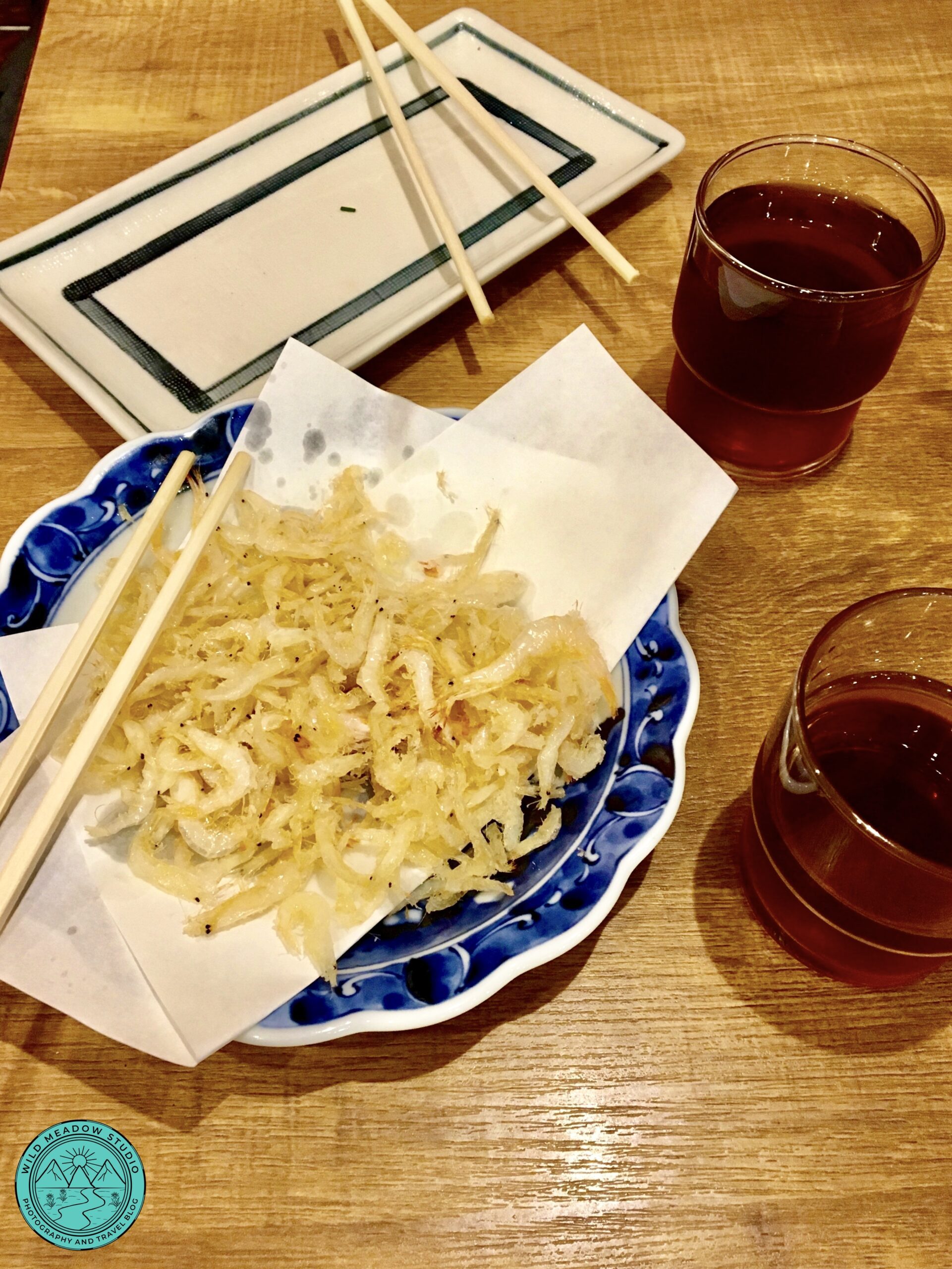
Ika Karaage (fried Squid)
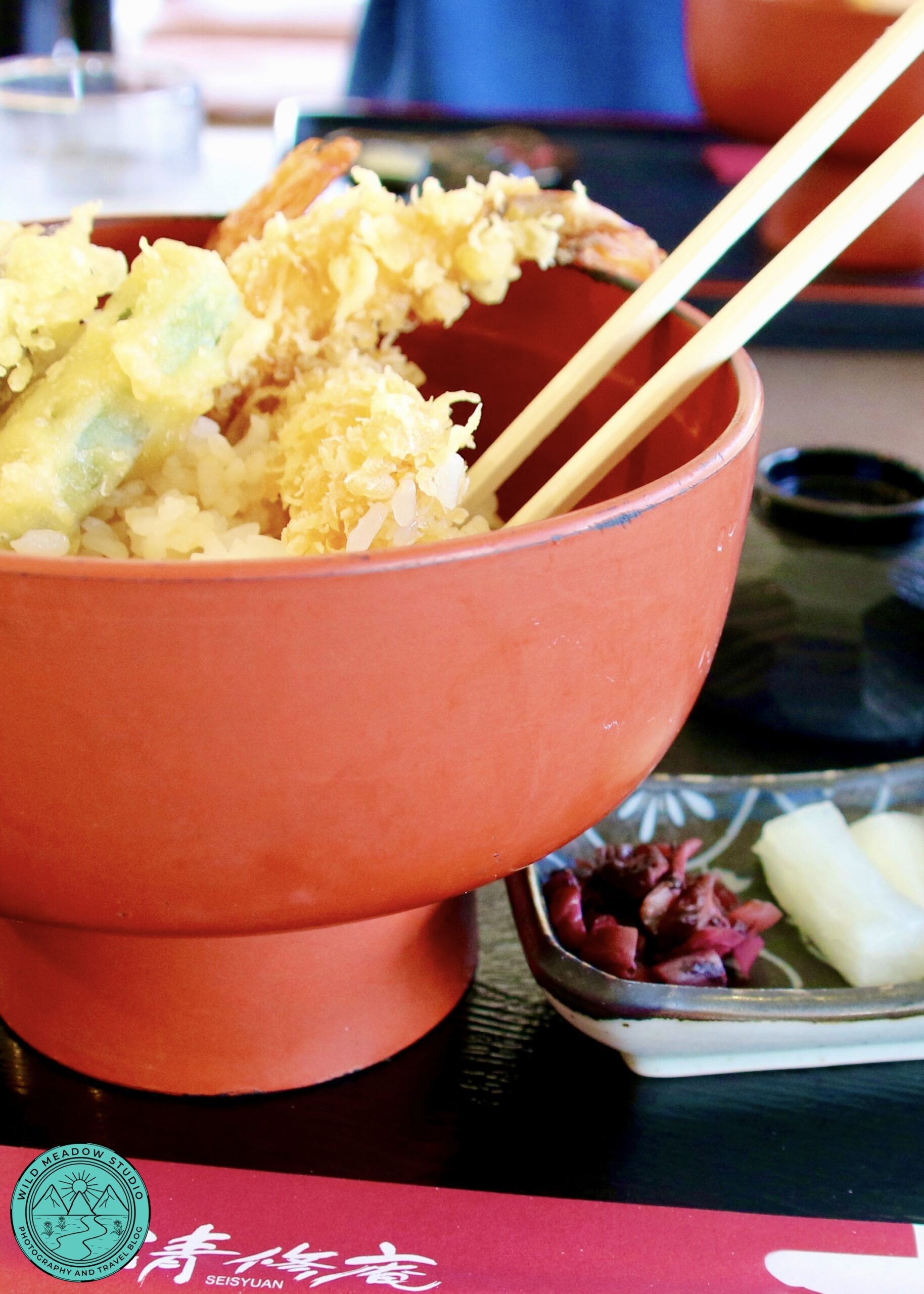
Tempura Veggies at Arashiyama
3. Where to Eat in Kyoto:
One of the things we loved about Kyoto was how varied the food scene is. You don’t have to spend a fortune to eat well, and there are opportunities to try everything from simple noodle dishes to traditional Kyoto cuisine and beautifully presented kaiseki meals (multi-course meals).
Here are some places worth considering:
Central Kyoto & Nishiki Market –
Central Kyoto | Casual
Nishiki Market is an experience as much as a meal. Known as “Kyoto’s Kitchen,” the covered market is filled with vendors selling seafood, pickles, sweets, tea, skewers and other Japanese specialties.
It’s a great place to browse and sample different foods, although remember that eating while walking inside Nishiki Market is prohibited. Use the eat-in areas or eat near the vendor where you purchased the food.
Central Kyoto | Casual
If you’re looking for a straightforward, satisfying meal, Ippudo is a popular choice for Hakata-style ramen. It’s an easy option to work into a day exploring Nishiki Market and central Kyoto.
Best for: A quick, casual lunch or dinner.
Central Kyoto | Mid-range
For something a little different, Katsukura is known for tonkatsu, Japanese breaded and fried pork cutlets. It’s a good option when you want a substantial meal after a day of walking.
Eating in Arashiyama –
Arashiyama | Mid-range to upscale
Located close to Togetsukyo Bridge, Arashiyama Kumahiko serves beautifully presented Kyoto-style cuisine with seasonal ingredients. The setting is particularly appealing, with views toward the mountains and a traditional atmosphere.
Best for: A leisurely lunch in a beautiful setting.
Arashiyama | Mid-range
For something a little more casual, Arashiyama Yoshimura is known for soba noodles and has a lovely location overlooking the river and Togetsukyo Bridge.
It’s a natural choice for lunch after exploring the Bamboo Forest and river area.
Arashiyama | Coffee & light stop
If you’re looking for coffee rather than a full meal, % Arabica’s Arashiyama location is particularly photogenic, sitting right along the Katsura River.
It’s a nice place to stop for a coffee while exploring the area, we stopped here after wandering through the Bamboo Forest to grab a coffee and sweet treat and enjoyed it.
Arashiyama | Mid-range
Great for lunch, we enjoyed the tempura veggies and soup here so delicious, with traditional décor, cushions on the floor and the location is great too, it’s close to the river and the Togetsukyo bridge, so great views.
Along the Philosopher’s Path –
Make sure you carry some cash as some of these restaurants may not take credit cards, as well, make sure you have a translation app to use if needed.
Higashiyama | Casual
A good option for a simple Japanese lunch around the Philosopher’s Path area.
Higashiyama | Casual
Known for udon and donburi, Okakita is a popular neighbourhood choice and can work well as a lunch stop when exploring eastern Kyoto.
Higashiyama | Traditional
For something more traditional, consider trying yudofu, a simple Kyoto specialty centred around tofu. It’s particularly appropriate when you’re exploring the temple districts and looking for a traditional Japanese meal.
Gion –
Gion | Casual to mid-range
A relaxed option for trying okonomiyaki, a Japanese savoury pancake cooked on a griddle.
Gion | Mid-range
A popular spot tucked in the geisha district famous for light, garlicky dumplings.
Gion | Splurge
For a special occasion, Gion Fukushi Michelin-starred destination serving refined traditional Kyoto kaiseki across a historic hinoki (cypress) counter.
Best for: A memorable Kyoto dining experience.
A few foods and drinks to try while in Kyoto:
- Ramen
- Matcha
- Soba
- Kyoto-Style Kitsune Udon
- Gyoza
- Kyoto-style obanzai
- Yudofu
- Sushi
- Mochi and Japanese sweets
- Ika Karaage
- Matcha desserts
- Sake
And if you’re visiting Nishiki Market, give yourself permission to try something you’ve never had before. That’s part of the fun.
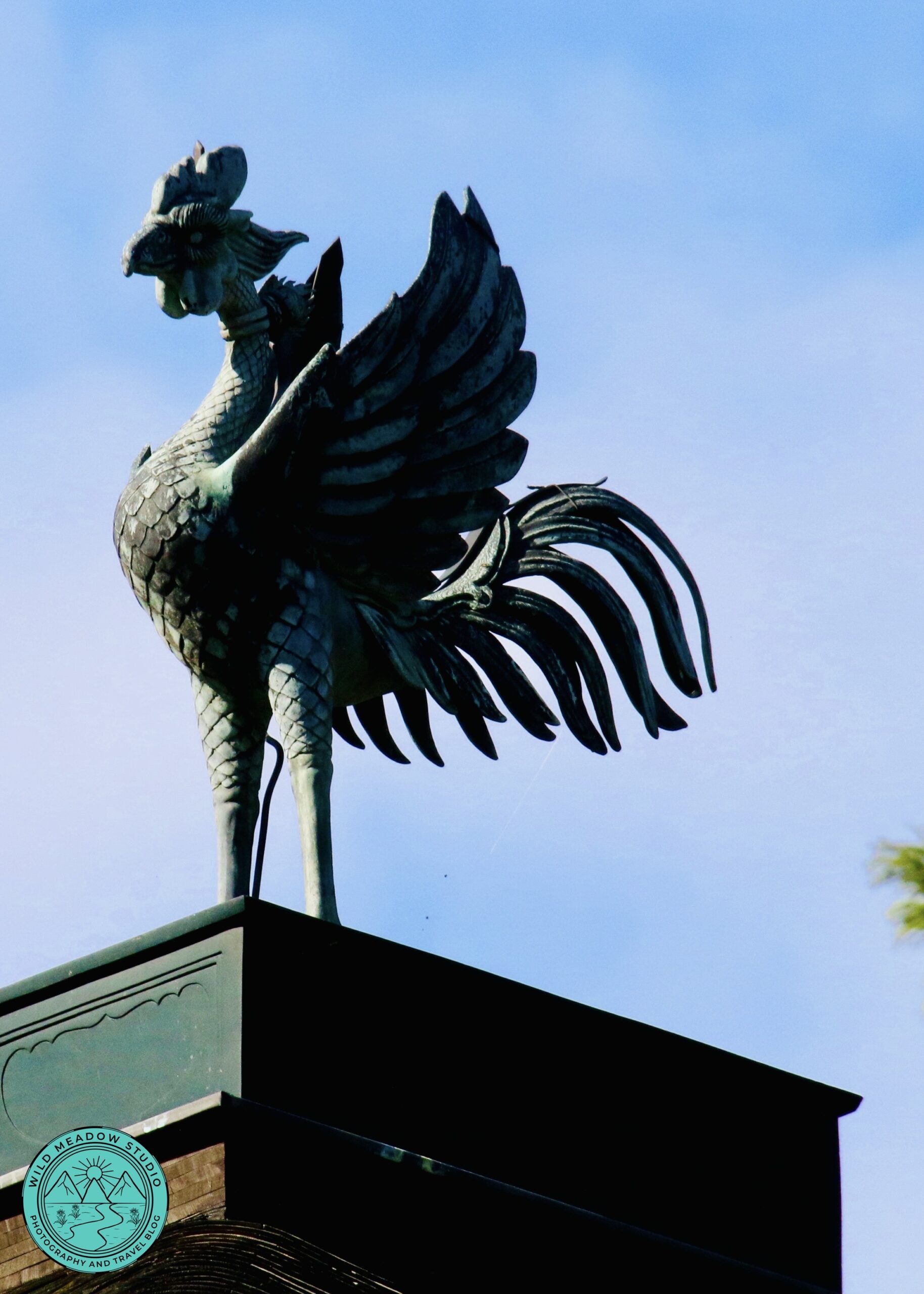
Top of the Silver Pavilion
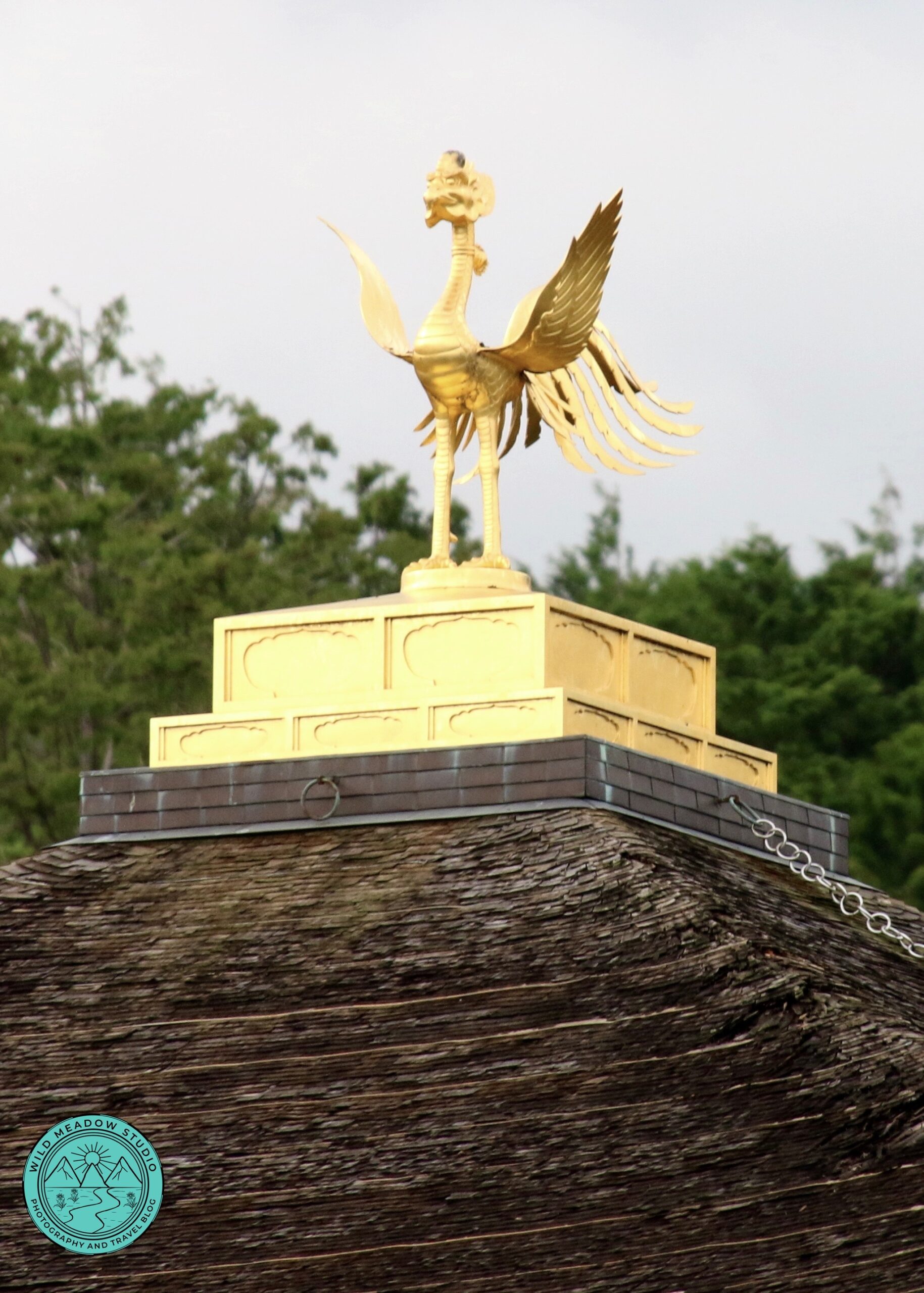
Top of the Golden Pavilion
4. Essential Local & General Travel Tips:
- Start your days early –
This is probably our biggest recommendation. And actually, Japan is where we really started to practice this, when we began our adventure in Japan, we were waking up around 5:00am because of the time change/jet lag and thought, “well, we might as well get up and start our day”. Although not everything is open at that time of day, it allowed us to wander through side streets and parks, then be at a certain attraction each day when they opened, this worked out so well, we just kept doing it. Planning to be at the busiest attractions first then do tours or less touristy places later in the day.
When we got to Kyoto, we found that some of its most famous sights were completely different early in the morning. At Fushimi Inari, for example, we started our climb when the trail was practically empty. By the time we returned from the summit of Mount Inari, the lower sections were already packed.
The same principle worked beautifully in Arashiyama.
If there’s somewhere you really want to photograph or experience without crowds, make it your first stop of the day.
For more information on the advantages of getting up early, check out our articles “Three Significant Reasons to Get Up Early, while Travelling” & “How to See More, Avoid Crowds and Capture Better Photos”.
- Plan your days by area –
Kyoto looks compact on a map, but the major sightseeing areas are more spread out than you might expect.
We recommend combining trains, subways and buses, to get you around the city to see the sights to save time and make the most of your days, there is still a lot of time for exploring on foot, which we loved!
This is exactly how we planned our three days:
Day 1: Arashiyama → Kinkaku-ji
Day 2: Fushimi Inari → Nishiki Market
Day 3: Ginkaku-ji → Philosopher’s Path → Gion
Grouping attractions this way saved us time and made each day feel much more relaxed.
- Getting Around Kyoto –
We found trains to be one of the easiest ways to get around Kyoto when a railway station was conveniently located.
Kyoto has several railway operators, including JR, Keihan, Hankyu, Kintetsu, Randen and Eizan, as well as the Kyoto City Subway.
The key is not to assume that every train uses the same pass. Different railway companies operate independently.
Buses are extremely useful for reaching places that aren’t directly served by a train or subway.
However, traffic can make bus journeys longer than expected, particularly during busy sightseeing periods or busy times of the day.
We used both throughout our trip.
An IC transportation card is one of the easiest ways to pay for public transportation in Japan. Rather than purchasing an individual ticket for every journey, you simply tap in and out where applicable. Check it out here.
This is one area where it’s important not to assume the Japan Rail Pass covers all transportation in Kyoto.
It covers JR trains, including useful routes such as the JR Sagano Line to Arashiyama and JR Nara Line to Inari. It does not cover Kyoto’s subway or most city buses.
The national Japan Rail Pass is most valuable when you’re travelling between several cities such as Tokyo, Kyoto, Osaka and Hiroshima, rather than simply using it for transportation within Kyoto.
For local Kyoto sightseeing, you may find a Subway & Bus 1-Day Pass more usefult provides unlimited travel on Kyoto City Subway, Kyoto City Bus and several participating bus networks, with some route exclusions.
Our advice: If you’re travelling around Japan, calculate the cost of your long-distance JR journeys before buying the national pass. Don’t assume it’s automatically the cheapest option.
- The Best Time to Visit Kyoto –
Kyoto is beautiful year-round, but each season offers something different.
Spring — Cherry Blossoms
Late March through early April is one of Kyoto’s most beautiful times, with cherry blossoms transforming parks, temples and waterways.
It’s also one of the busiest and most expensive periods, so book accommodation well in advance.
Summer
Summer brings lush greenery and festivals, but Kyoto can be very hot and humid, particularly from July through September.
Autumn — Our Favourite
Late October through November brings some of Kyoto’s most spectacular scenery, as the maple trees turn brilliant shades of red, orange and gold.
If you love photography, this is an especially beautiful time to visit—but it is almost as busy as the spring season.
Winter
Winter is colder but generally quieter. You may even get lucky with snow-covered temples, which can be magical.
For us, spring and autumn would be our first choices, particularly if you’re interested in photography and comfortable walking weather.
If you need maps, transportation help, attraction information or assistance while you’re in the city, the Kyoto Tourist Information Center “Kyo Navi” is located on the 2nd floor of Kyoto Station.
It’s open 8:30 a.m.–7:00 p.m. year-round, and staff can assist in English.
This is a particularly useful stop when you first arrive in Kyoto if you need help figuring out transportation or want maps and current event information.
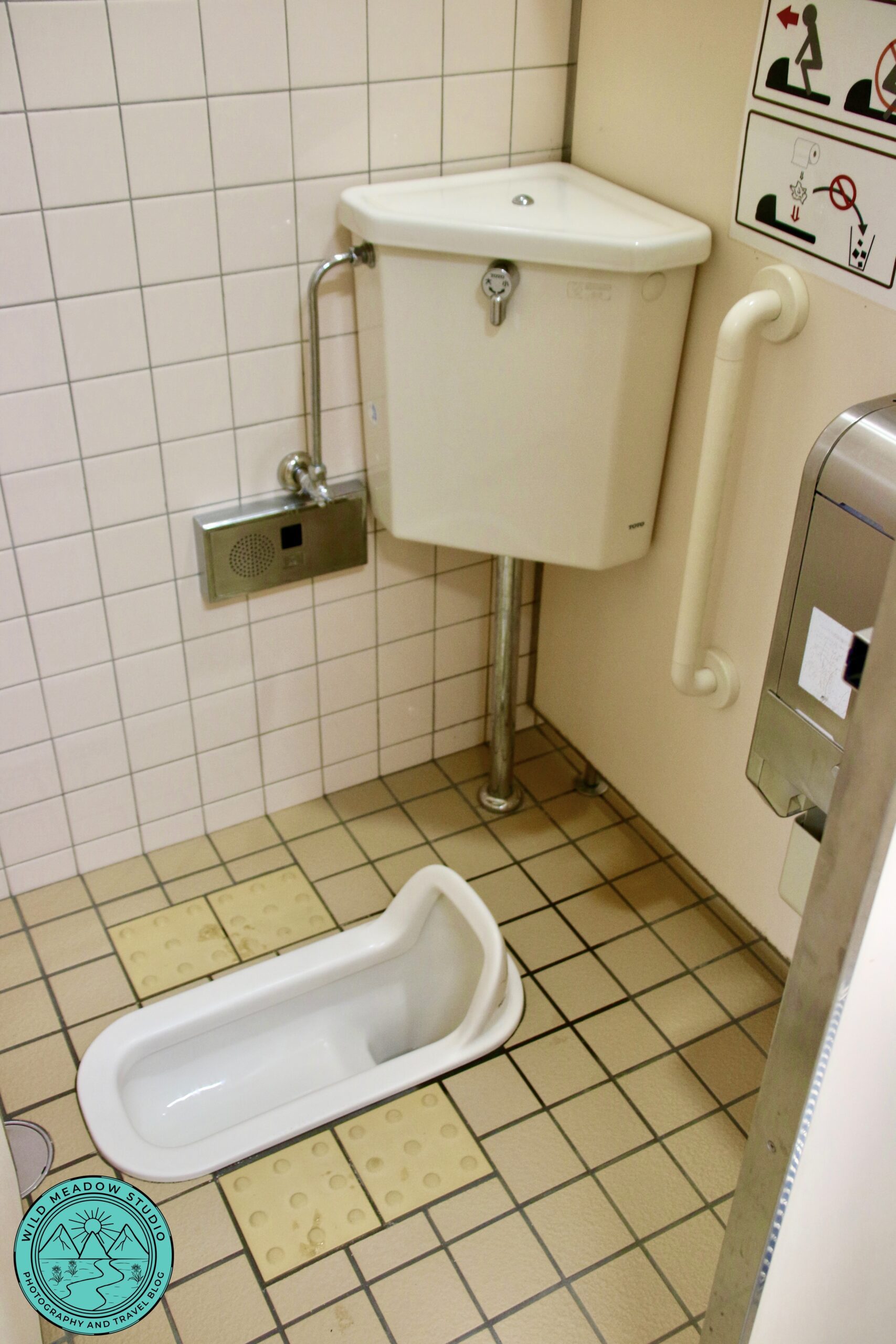
Public Washroom
- Finding Public Washrooms –
Public washrooms are available throughout Kyoto, but not beside every attraction. Also, don’t get too alarmed when you go into a public washroom and see this (above photo). I saw this and was quite worried at first, but generally they have both this kind of option and a typical toilet in another cubicle.
A few useful locations for the areas in our itinerary include:
Arashiyama
You’ll find public facilities around the Arashiyama Station/Togetsukyo Bridge area, making this a good place to use the washroom before heading farther into the Bamboo Forest or Monkey Park.
Nishiki Market
The Nishiki Market Promotion Association office has a restroom available from 10:00 a.m.–5:00 p.m. The market also provides a map showing nearby public toilets.
Gion
There are public facilities in the Gion Ishidanshita area and facilities around Maruyama Park. Kyoto City maintains an official public-toilet map.
Our tip: Use a restroom whenever you see one while sightseeing. It’s much easier than realizing you need one halfway through a long walking route!
- A Few More Things We Learned –
Carry a small amount of cash
Although credit cards are widely accepted, you’ll still find smaller shops, food vendors and some temples where cash is useful.
Wear comfortable shoes
This may sound obvious, but you’ll walk a lot in Kyoto. Our itineraries involve stairs, hills, temple grounds and long stretches of walking.
Carry a reusable water bottle
You’ll appreciate having water with you during longer sightseeing days, particularly if you’re visiting in warmer months.
Bring a small bag for rubbish
Japan is exceptionally clean, but public garbage bins aren’t always easy to find. It’s common to carry your rubbish with you until you find somewhere appropriate to dispose of it.
Be respectful in residential areas
Many of Kyoto’s most popular attractions are located alongside residential neighbourhoods. Kyoto asks visitors to be considerate of residents, avoid blocking roads and entrances, and respect photography restrictions.
This is particularly important in Gion, where it’s important to remember that you’re walking through a living neighbourhood, not a theme park.
- Sunrise and Sunset Times.
Check daily sunrise and sunset times before your trip to help you plan your days, especially for great lighting for photography, beach walks and in the summer, and better temperatures. Check it out here!
- Using Points
Whether it’s Airmiles, Aeroplan, hotel chains, or credit card points, collect them religiously and use them for travel!! We have stayed in some amazing places using points, some we normally wouldn’t have even looked at because of the price, we’ve used points for flights and rental cars too. They are so satisfying to use, but you have to get to know what is a good value and what isn’t. For example, if you’re using Airmiles for flights, the points cover the flight cost and you pay the taxes, so generally the taxes cost us in the range of $200/$300, which is reasonable, but if we fly to Europe from Canada, the taxes were over $700, (we were told this was because their airport taxes were higher) we were shocked, it didn’t make sense to use the points for that, so you have to get to know how to best work you’re points, but once you do, you’ll be hooked!
- Phone service
When travelling in Europe we use Hippocket Wifi, but they also service Canada and the United States. So, for people travelling to Canada from another country, this could be a good option for you. They are based in France, but you can simply order it online and they ship it directly to you 3-5 days before you leave for your trip. It comes with a small carrying case, charger, (including a car charger if needed) and an addressed, stamped return mailing envelope, so you simply drop it off in the mailbox at the airport/ferry terminal/train station before heading home. The great thing about this is that if you are traveling with other people, you can all use it and share in the cost or if you’re a family you can all use it. You can have up to 8-10 users at the same time. If you have multiple users, I recommend getting the unlimited options, as the 1GB/day option may not be enough. The unlimited works out to be approximately 7.00 to 9.00 euros per day, including all shipping, (because they are based in France, they charge you in euros). It’s a great option, check it out here!
- Speaking the Language:
For some people speaking different languages comes easy and for some, it does not, I’m the latter. Although it’s not easy, we always make an effort to learn at least the pleasantries when we’re travelling. It’s one of our many favourite things to do! When in Japan, a lot of people spoke English and most signage was in English, as well, but there were some more remote areas or smaller cafés that did not, so knowing a few phrases was helpful. We carried a language pocketbook with us, and we had google translate on our phones! We also like the free language app, Duolingo for some fun!
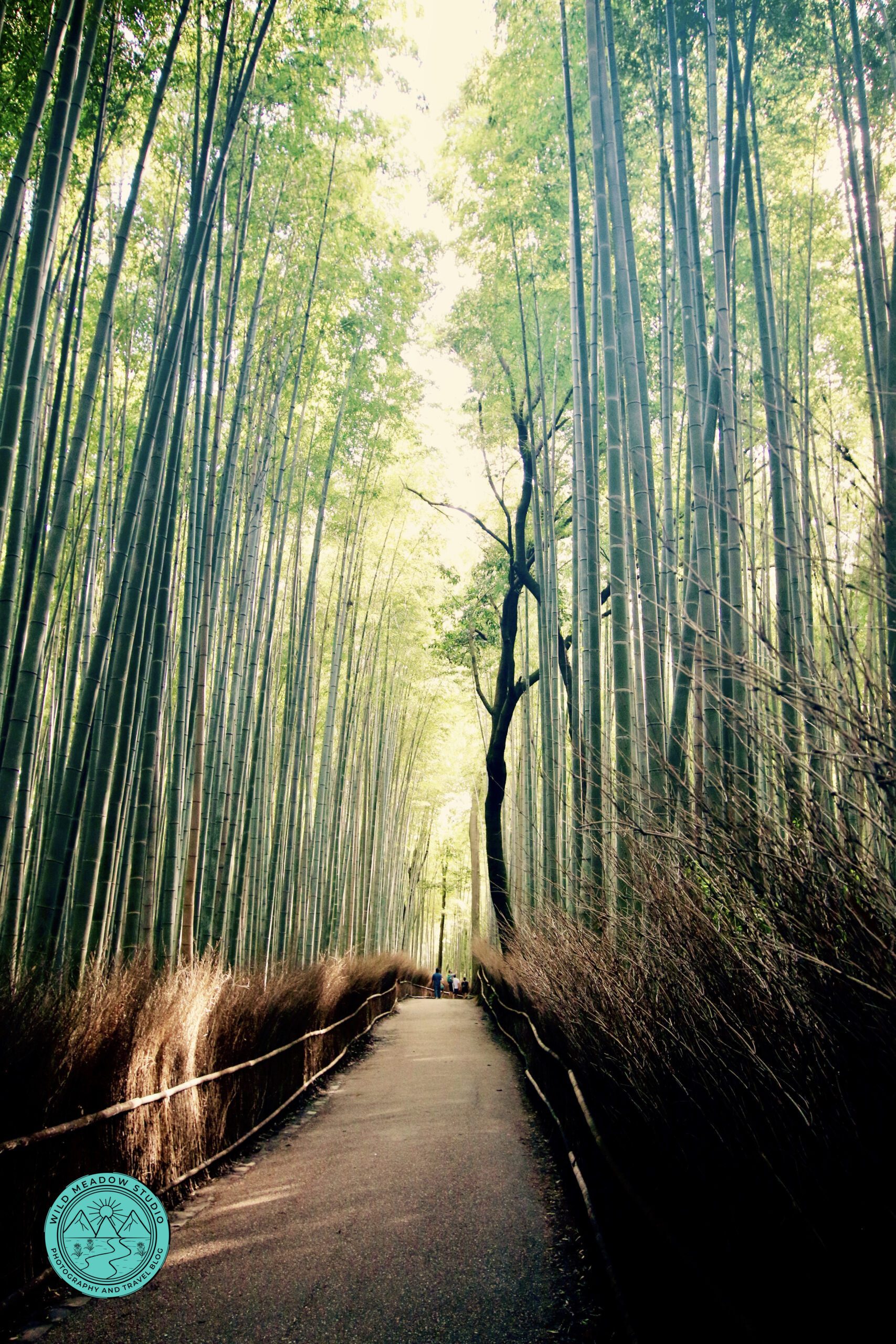
5. Our Fav Photo from Kyoto:
This is one of our very favourite travel photos in general, but also from Kyoto. We took an early train to Arashiyama that morning, when we got there, we headed straight to the Bamboo forest and walked through this amazing sight with tall bamboo trees towering over us on either side. The sun was coming up, and the soft light was shining through the trees so beautifully. In this early morning hour, we were lucky to be able to experience this tranquil walk virtually alone, it was something we will never forget. For the photo itself, we took it in portrait so that the path, all the way up to the treetops were included, as for the edits, not much was needed, we simply lightened it a touch. Mornings like this remind us why we like getting up early.
6. How to Make Kyoto-Style Kitsune Udon: A Taste of Kyoto at Home:
When I think of comfort food in Kyoto, a steaming bowl of kitsune udon seems like the perfect place to start. Thick, soft udon noodles sit in a light, savoury dashi broth, topped with sweet and savoury fried tofu that soaks up all those delicious flavours. The dish is simple, warming and deeply connected to the food culture of the Kansai region. Although kitsune udon originated in Osaka, it has become a beloved part of Kyoto’s culinary landscape, where the emphasis on delicate broth and fresh local ingredients makes it especially fitting for the city. Our local recipe “How to Make Kyoto-Style Kitsune Udon: A Taste of Kyoto at Home” (comes out Sept. 15).
Plan. Travel. Capture.
7. References:
For our Kyoto Travel Series, we created our top things to do, itinerary, and tips and recommendations from our own experiences, as well, we leaned on a mix of trusted guidebooks, including DK Eyewitness Japan Travel Book, which helped shape our adventure. In addition to the books, it’s helpful to reference official tourism websites, (Kyoto.travel) attraction sites, public transportation resources (like trains, buses, and ferries), and a few local food blogs to see what local foods piques your interest. Google Maps for driving and walking distances, and tour apps for the activities, like Get Your Guide, Viator and Expedia. We hope you find these tips & recommendations helpful when you plan your own adventure to this ancient and tranquil city.

Bicycle in Arashiyama
8. The Wrap Up:
Kyoto can feel overwhelming when you first start planning. There is simply so much to see, eat and experience that it’s easy to try to fit too much into a single trip.
For us, the key was slowing down and planning our days around specific areas. It allowed us to see some of Kyoto’s most famous sights while still leaving room to wander, stop for photographs, enjoy a good meal and discover something unexpected along the way.
Our three-day itinerary gave us a wonderful introduction to the city, but we left knowing there was still so much more we wanted to explore.
If you’re planning your own trip, we hope this guide helps you make those decisions a little easier—from choosing where to stay and what to eat to figuring out transportation and deciding when to visit.
And most importantly, don’t try to see everything. Pick the places that mean the most to you, start your days early, leave a little room to wander and enjoy the journey between the sights.
Planning a trip to this destination?
We offer a personalized travel planning service to help you build a relaxed, memorable trip that’s uniquely yours. Contact us today to make your appointment and let’s plan something special. Your initial planning session is complimentary, in hopes that when you start to book your trip, accommodations, car rentals, trains, tours, or activities you would consider using our recommended affiliate links, as we would then get a small commission that would help support our business, at no additional cost to you.
Our relaxed, early morning travel style is something we love, so much so, we wrote a blog and 2 free downloadable travel guides on it, “Your Daily Slow Travel Planner + Bonus Relaxed Morning Blueprint” request your free copies at the top of the page or through one of our pop ups.
Plan Better. Travel Deeper. Capture More.
Thank you,
Beth
Beth de Verteuil
Wild Meadow Studio
Travel Guides & Photography
Plan. Travel. Capture.