Plan Better. Travel Deeper. Capture More.
Our relaxed, early morning travel style is something we love, so much so, we wrote a blog and 2 free downloadable travel guides on it, “Your Daily Slow Travel Planner + Bonus Relaxed Morning Blueprint” request your free copies at the top of the page or through one of our pop ups.
Planning a trip to this destination?
We offer a personalized travel planning service to help you build a relaxed, memorable trip that’s uniquely yours. Contact us today to make your appointment and let’s plan something special. Your initial planning session is complimentary, in hopes that when you start to book your trip, accommodations, car rentals, trains, tours, or activities you would consider using our recommended affiliate links, as we would then get a small commission that would help support our business, at no additional cost to you.
For more on these romantic Tuscan Towns, checkout our other Travel articles “5 Incredible Days in the Tuscan Hills, with detailed Itinerary” (coming Oct. 27th), and “Travel Guide to Tuscany, Italy: Where to Stay, Eat, & Essential Tips” (coming Nov. 3rd).
For flights, car rentals, activities, and stays we use Expedia, if you make an account with them, you will earn One Key Cash (travel dollars), with each booking, to go towards your next adventure. For tours, activities, and more, we use Get Your Guide or Viator. For train travel, we use the convenient OMIO App.
Disclosure: Some of the links in this post are affiliate links. This means that if you choose to make a booking or purchase through one of these links, we may earn a small commission at no additional cost to you. We only recommend places, experiences, and products that we have personally used or genuinely believe add value to a trip.
Table of Contents:
- Introduction to Tuscany, Italy
- Tuscany’s Historical Rundown
- 9 Beautiful Tuscan Towns worth the visit
- 1 Incredible Wine Region not to miss
- References
- The Wrap Up
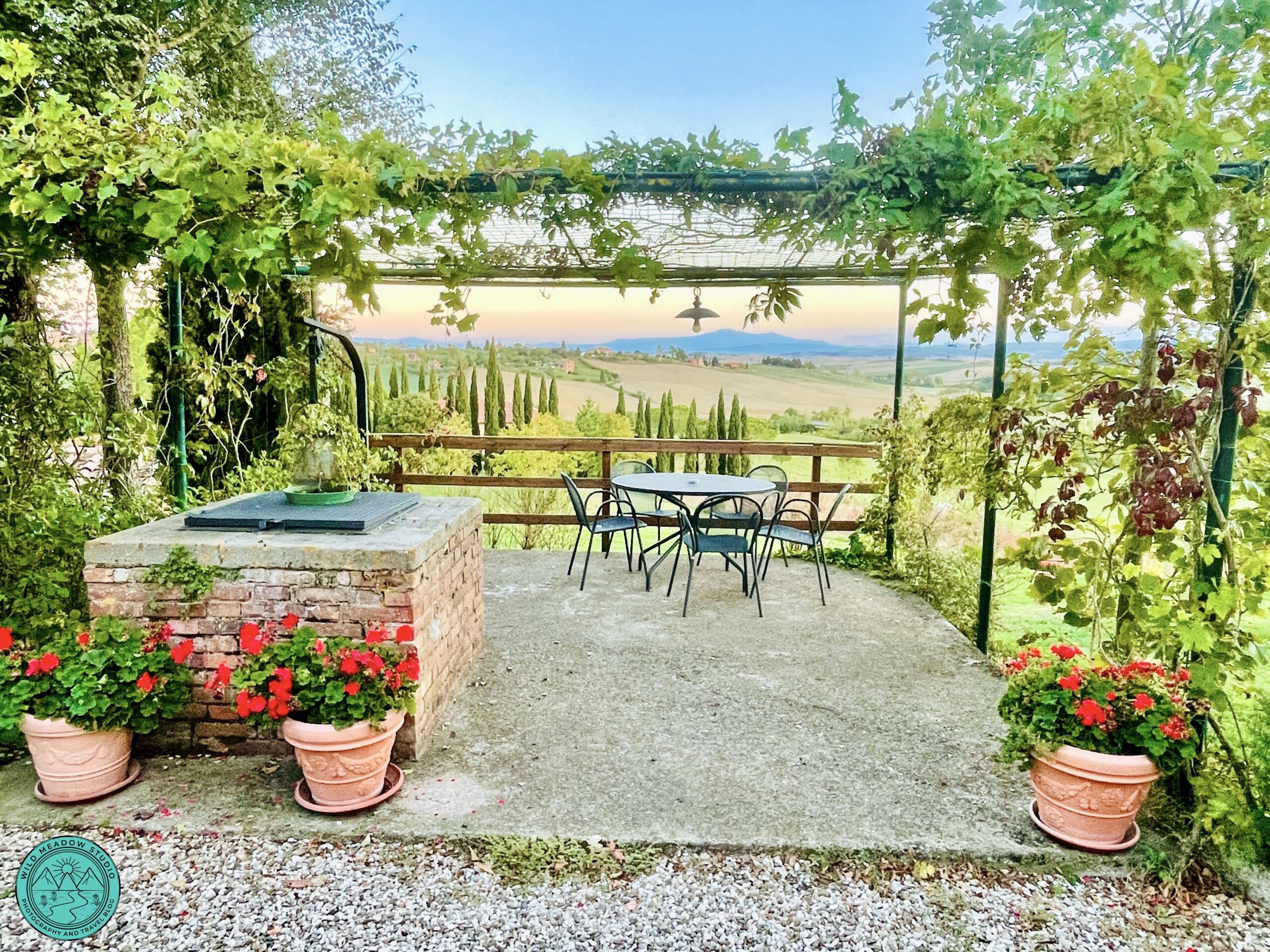
Tuscan Views
1. Introduction to Tuscany, Italy:
Tuscany, Italy, is one of those places that seems to have been made for slow travel. From Renaissance masterpieces and medieval hill towns to rolling vineyards, cypress-lined roads and beautiful countryside, the region offers something different around almost every corner.
For us, part of the magic of Tuscany is simply wandering. You can spend a morning exploring a historic piazza, stop for lunch at a little café, follow a winding road through the countryside, and end the day watching the light change over the hills. Some places are famous for their art and history, while others are smaller and quieter, but each has its own character and a story to tell.
Whether you’re planning your first trip to Tuscany or returning to explore beyond the well-known highlights, these are nine beautiful towns and one incredible wine region we think are worth adding to your itinerary.
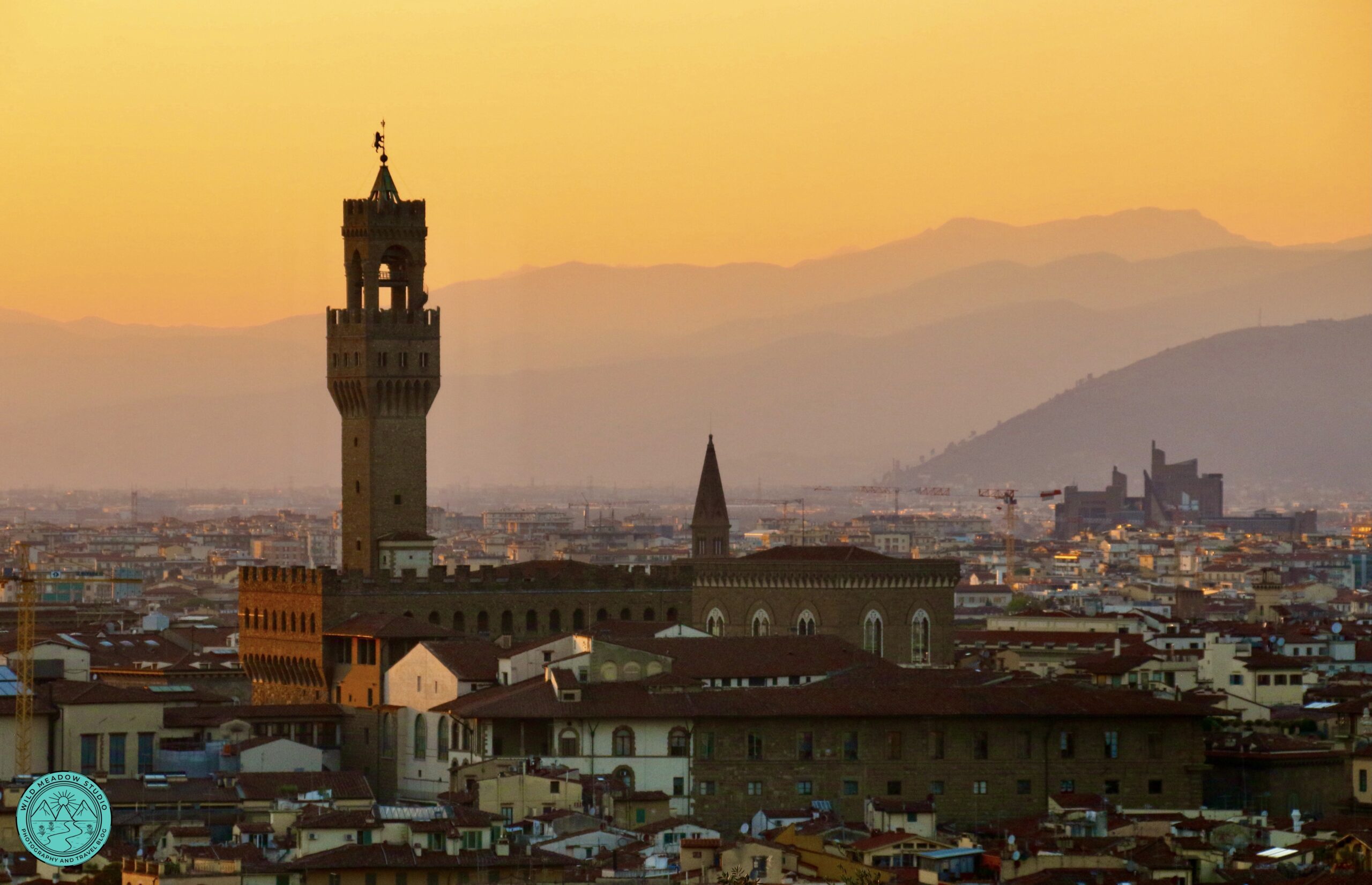
Florence at Sunset
2. Tuscany’s Historical Rundown:
Tuscany is a region rich in history, where ancient civilizations, medieval hilltop towns and Renaissance masterpieces have shaped the landscape we see today.
– The Etruscans came before the Romans. From around the 9th century BC, the Etruscans built a sophisticated civilization across much of central Italy. Their influence helped shape the region, and their name lives on in Tuscany itself.
– Medieval towns grew into fortified communities. During the Middle Ages, many Tuscan towns developed on hilltops for protection and control of trade routes. Today, their cobblestone streets, stone buildings, towers and defensive walls offer a glimpse into centuries of history.
– Tuscany helped shape the Renaissance. From the 14th to the 16th centuries, Florence became one of Europe’s great centres of art, architecture and learning. The powerful Medici family supported artists and thinkers, helping create a legacy that continues to draw visitors from around the world.
– The region’s wine traditions date back thousands of years. The Etruscans cultivated grapes long before the Renaissance, and winemaking continued under the Romans in medieval farming communities. In the Chianti region, wine production became closely tied to their local identity, with an important decree defining it a protected wine-producing area, issued in 1716.
– Tuscany’s landscapes reflect centuries of human history. Its vineyards, olive groves, cypress-lined roads and historic farmhouses are more than beautiful scenery—they reflect generations of farming and settlement. Towns such as San Gimignano, Pienza and Siena preserve remarkable examples of this heritage.
From ancient Etruscan settlements to medieval hilltop villages and the artistic treasures of the Renaissance, Tuscany is a place where history is woven into everyday life—and discovering that history is part of what makes exploring its towns so special.
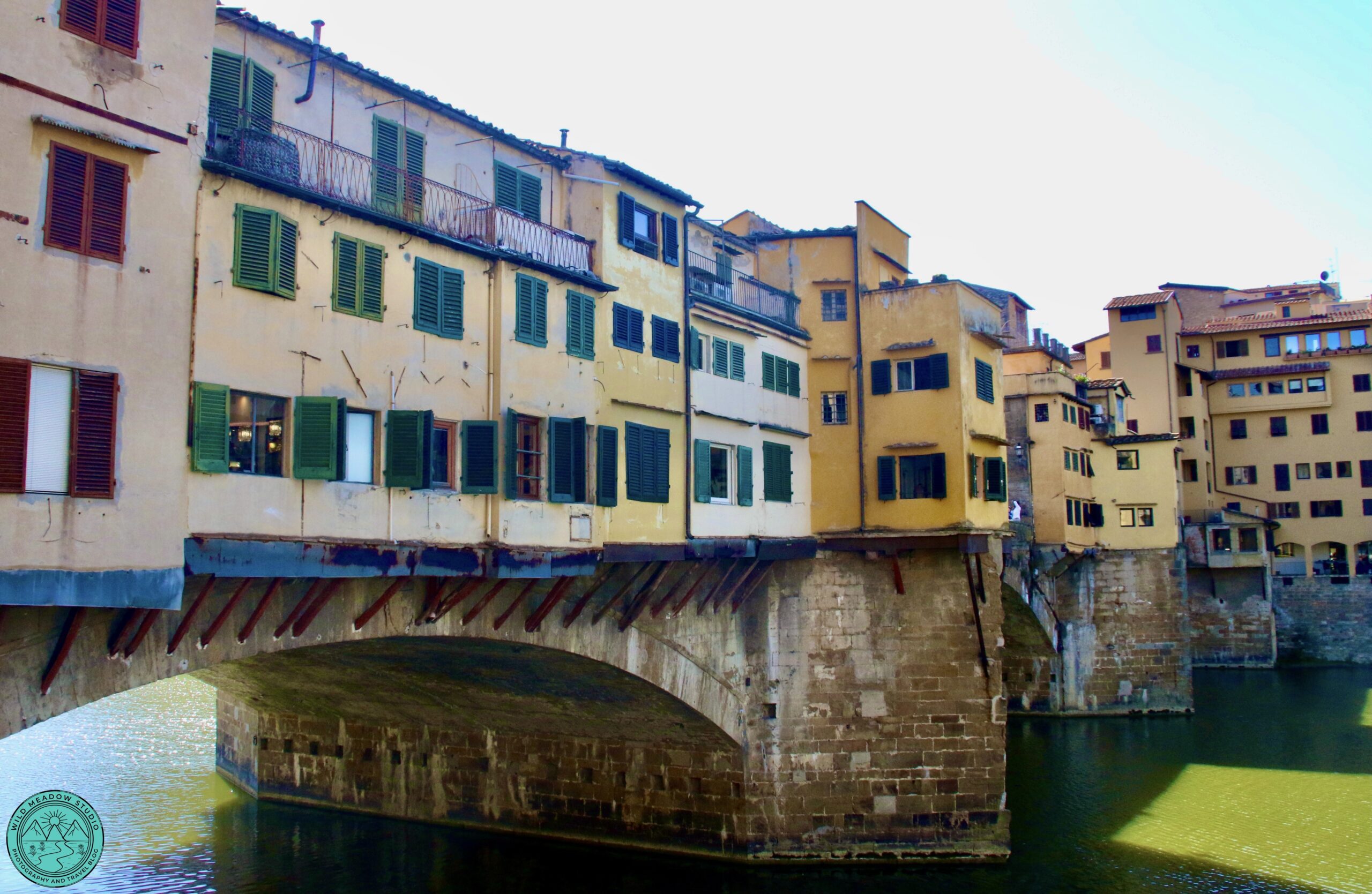
Ponte Vecchio
3. 9 Beautiful Tuscan Towns:
There are so many incredible towns in this dreamy region worth exploring from the more popular like Florence or Pisa to the romantic Pienza, the hilltop towns like San Gimignano, the wine region villages like Radda in Chianti, hidden gems like Volterra, and so on, really, you can’t go wrong. Unfortunately, we only had 6 nights /5 days to spend here, so we had to make some decisions, these were the 9 towns we absolutely loved and worked well for us to visit with a car while based in Siena. Florence is one of these towns, so on our first adventure to Tuscany we did a daytrip into Florence from Siena, which is totally doable and gives you a good feel for the city, (we drove to a park-and-ride and took a tram into the city). But, yes, we loved it so much went back and spent a full weekend there on a separate trip. Checkout our Full 5-part Travel Series on Florence here!
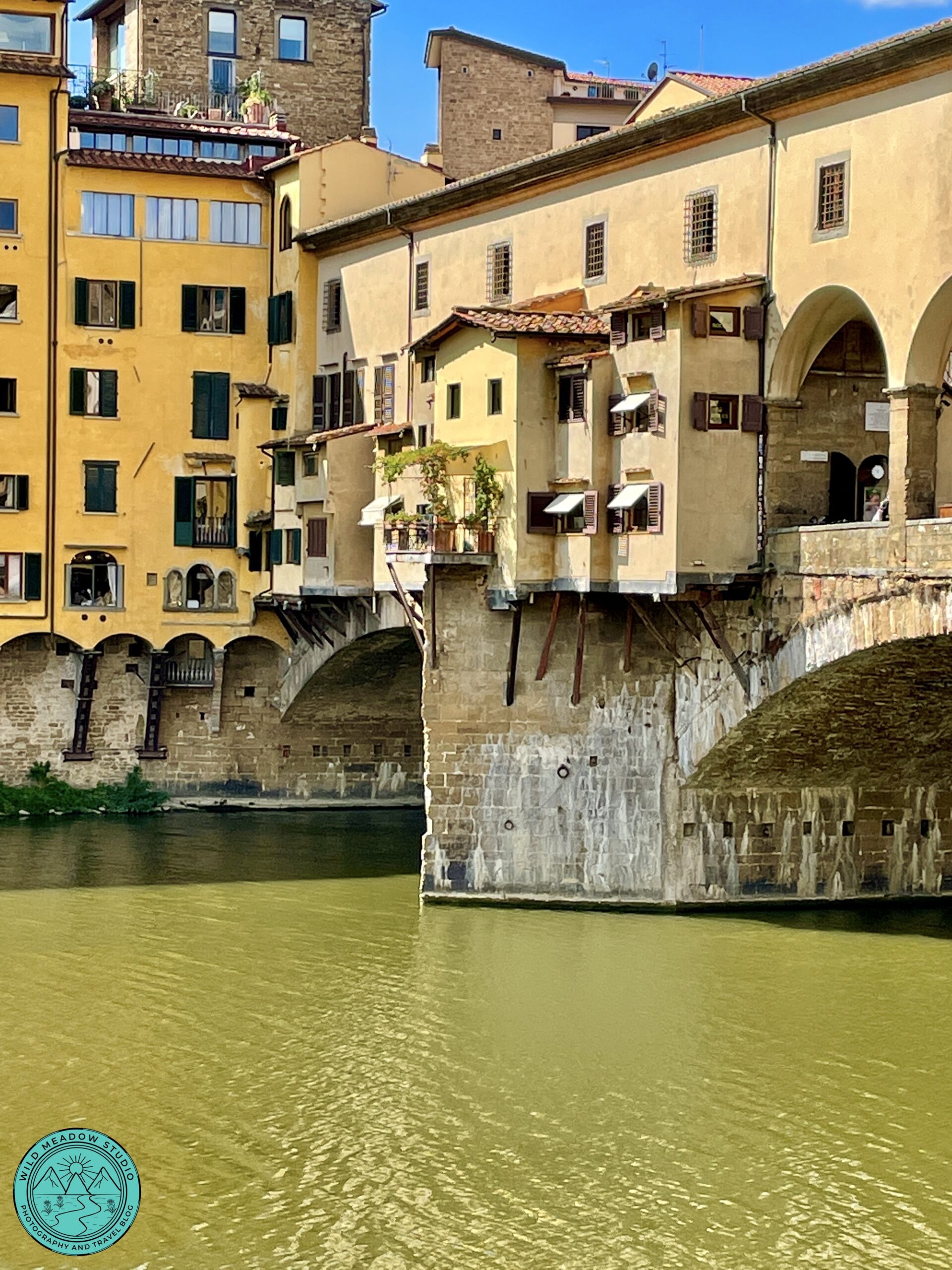
Ponte Vecchio
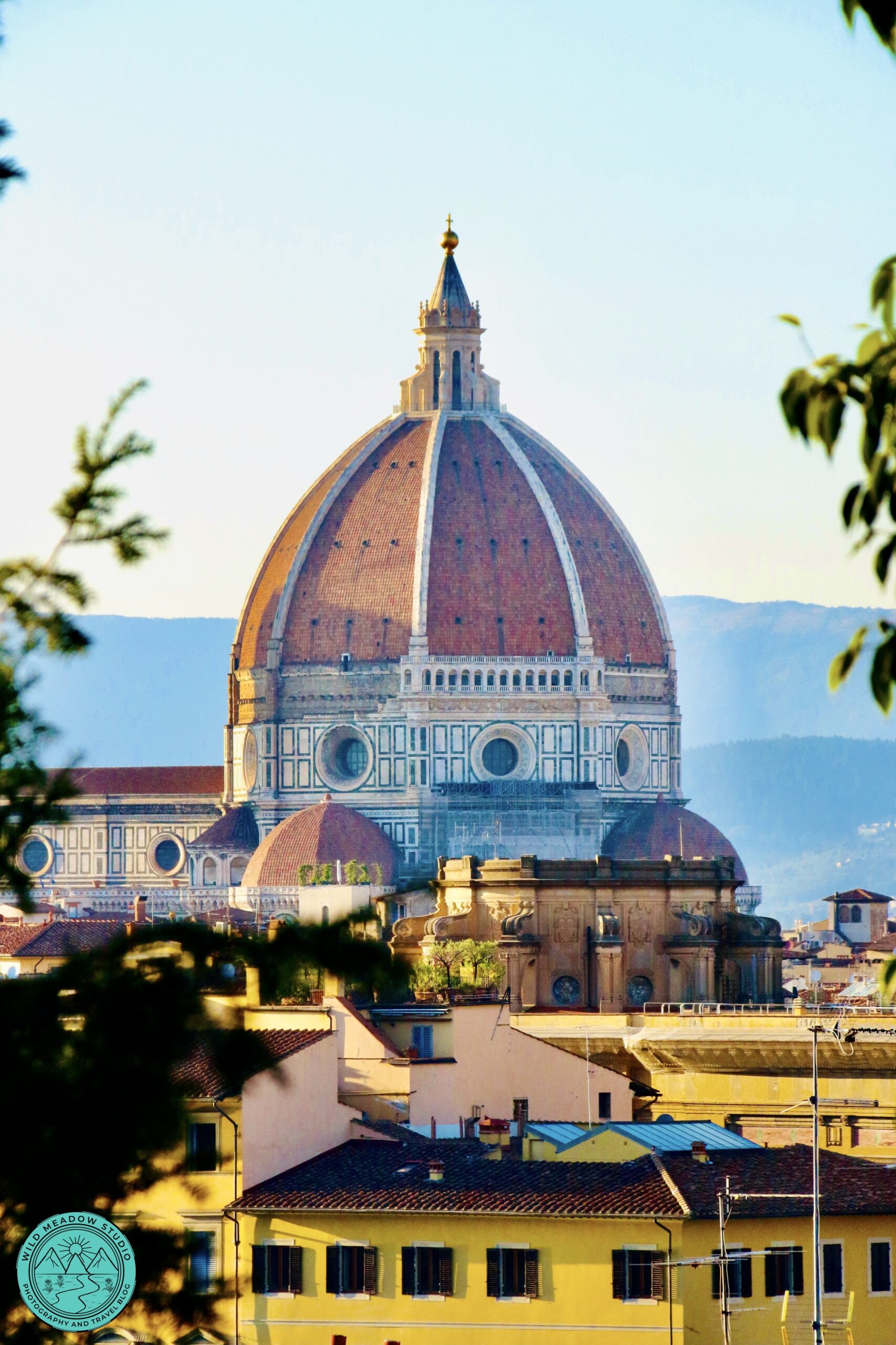
Santa Maria del Fiore Dome
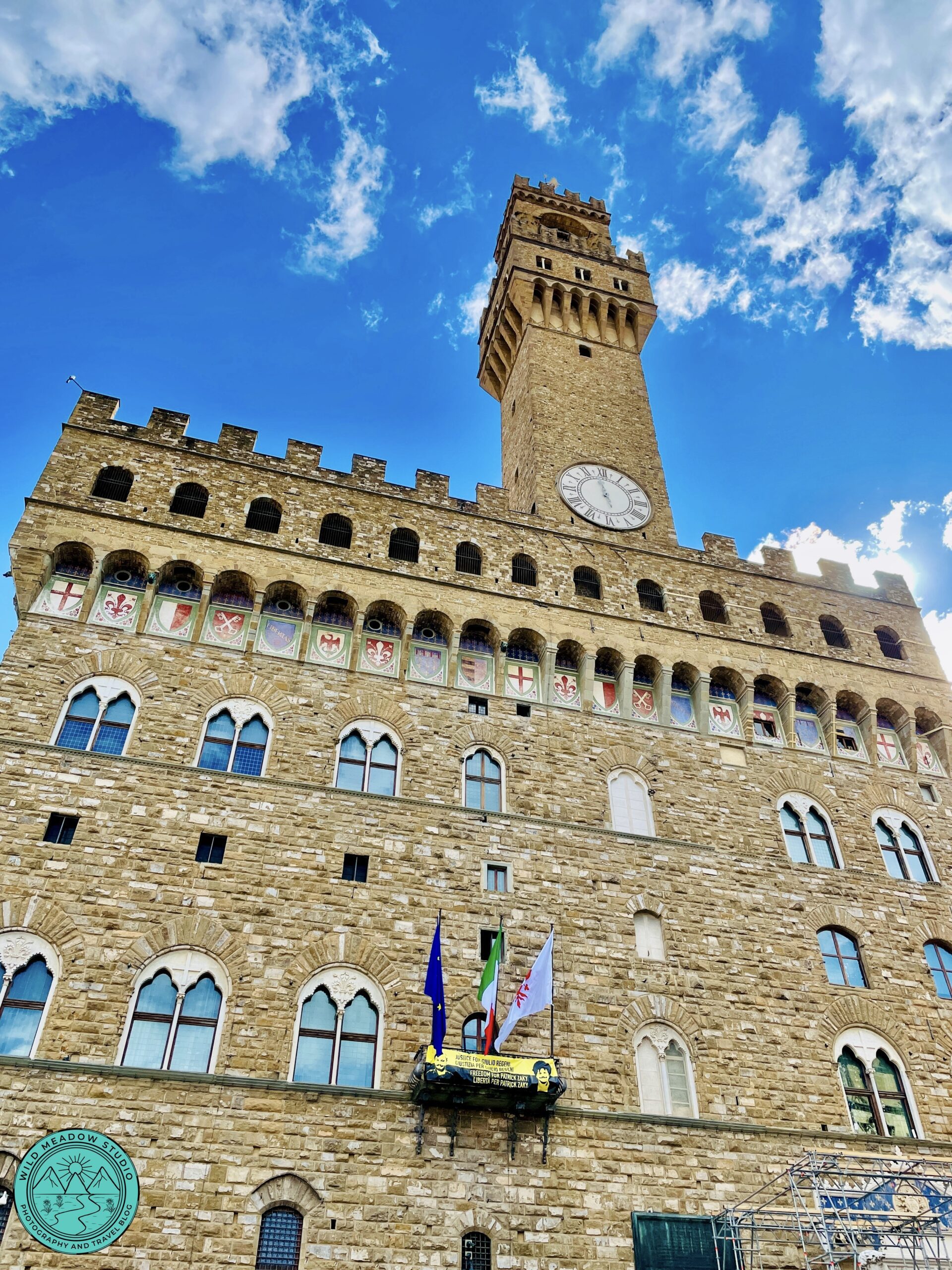
Palazzo Vecchio
- Florence –
No trip to Tuscany would be complete without experiencing Florence, the birthplace of the Renaissance and one of Italy’s great cultural cities. The historic centre is filled with extraordinary architecture and art, from the magnificent Cathedral of Santa Maria del Fiore and Brunelleschi’s famous dome to Palazzo Vecchio and the Ponte Vecchio spanning the Arno River. But Florence is more than its famous landmarks. One of our favourite ways to experience the city is simply to walk, wandering through its historic streets, crossing its bridges and discovering quieter corners away from the main attractions. Spend some time looking for their famous wine windows and of course order yourself a glass! This walkable city has a lot of surprises. The Oltrarno neighbourhood, riverside walks and smaller streets offer a different glimpse of Florence, where art, history and everyday life come together.
Don’t miss: The Duomo, Piazza della Signoria, Ponte Vecchio, the wine windows, and a walk along the Arno.
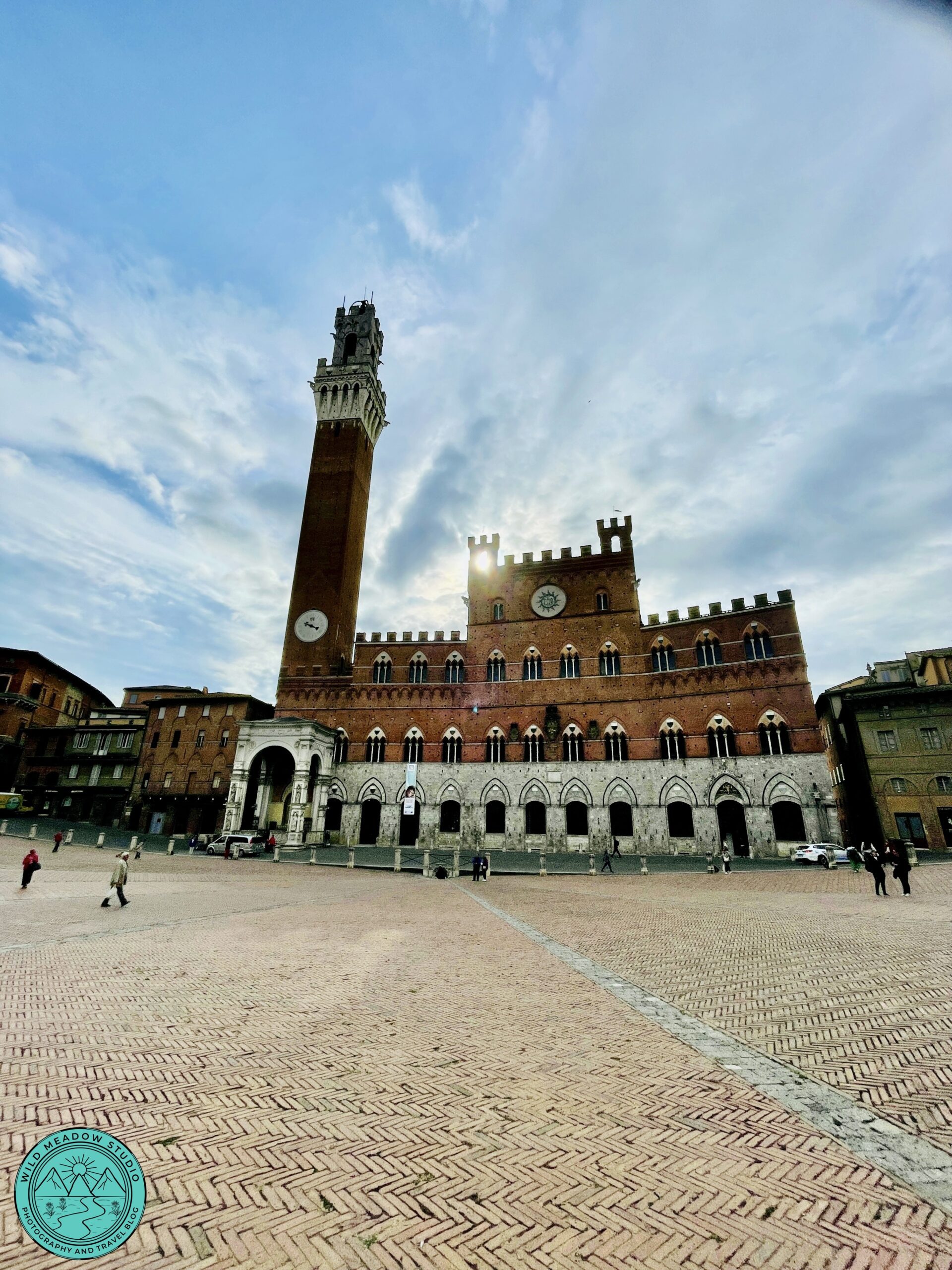
Piazza del Campo
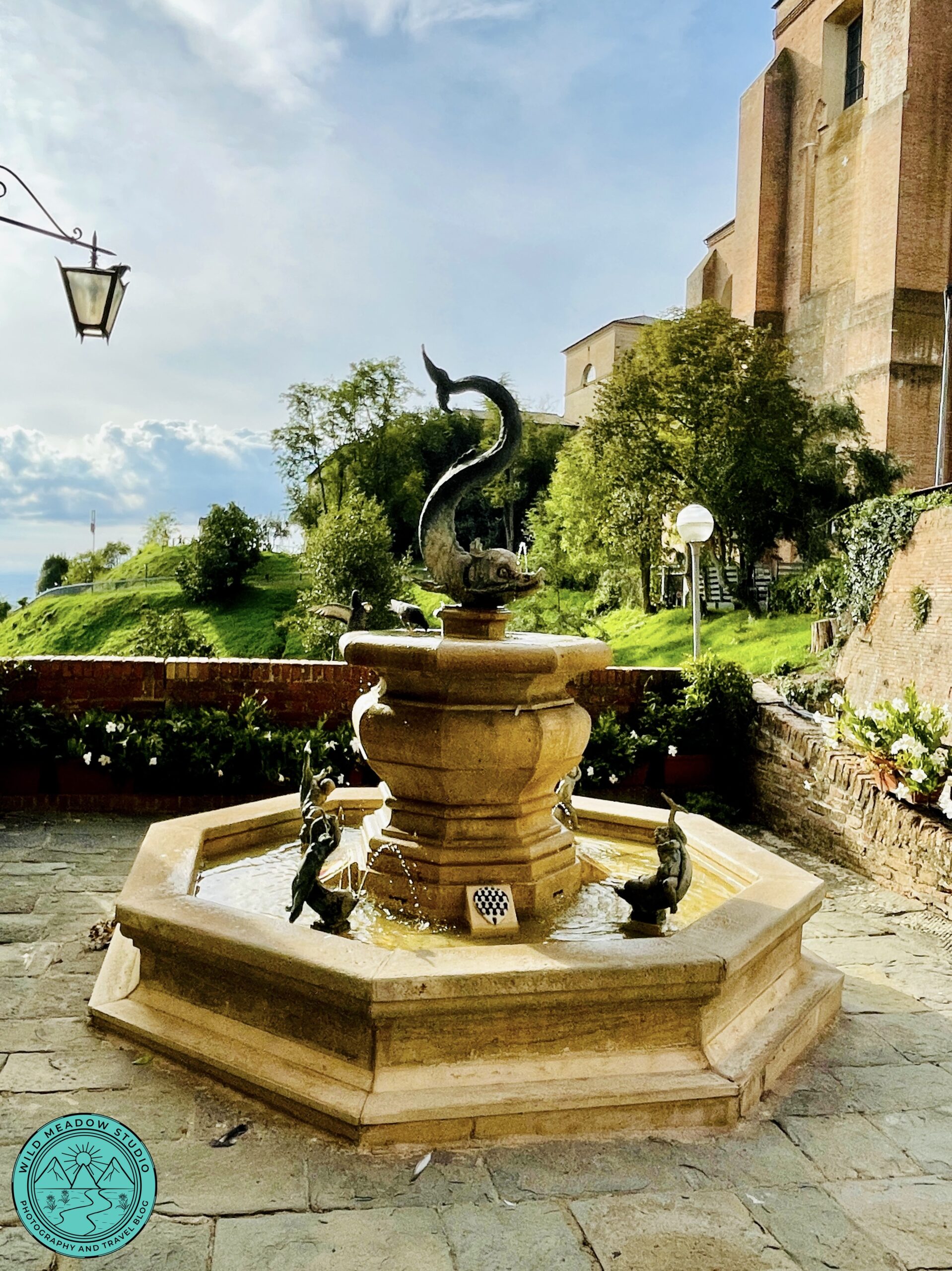
Fountain in Siena
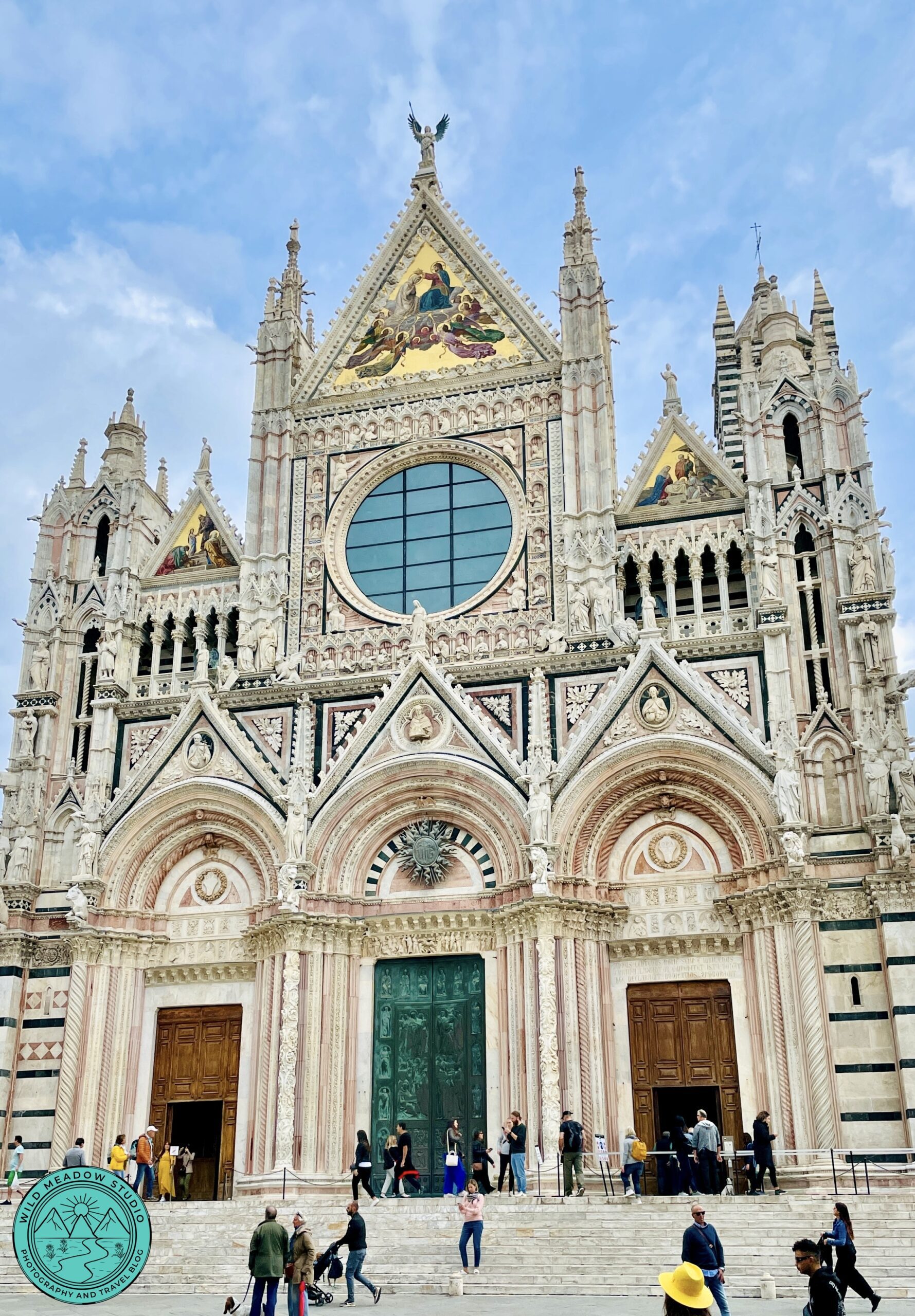
Siena Cathedral
2. Siena –
Siena feels like stepping into another era. Built across three hills, its beautifully preserved medieval centre is a maze of narrow streets, historic buildings and unexpected views. At the heart of the city is Piazza del Campo, the distinctive shell-shaped square dominated by the Palazzo Pubblico and Torre del Mangia. From here, take time to wander through the surrounding streets and discover the city’s beautiful churches, historic neighbourhoods and hidden corners. The magnificent Siena Cathedral is another highlight, with an incredible collection of art and architectural details. Just beyond the city, the landscape changes dramatically into the rolling clay hills of the Crete Senesi, making Siena an especially wonderful base for exploring the surrounding countryside. We stayed in Siena and really enjoyed it, with a car this location was perfect for exploring, we could be in the villages of the Val d’Orcia in an hour, to the Villa Costanza car park heading into Florence in an hour and Pisa in an hour and a half, breaking up the drive with San Gimignano and Volterra, this worked out perfectly!
Don’t miss: Piazza del Campo, Torre del Mangia, Siena Cathedral and wandering the medieval streets.
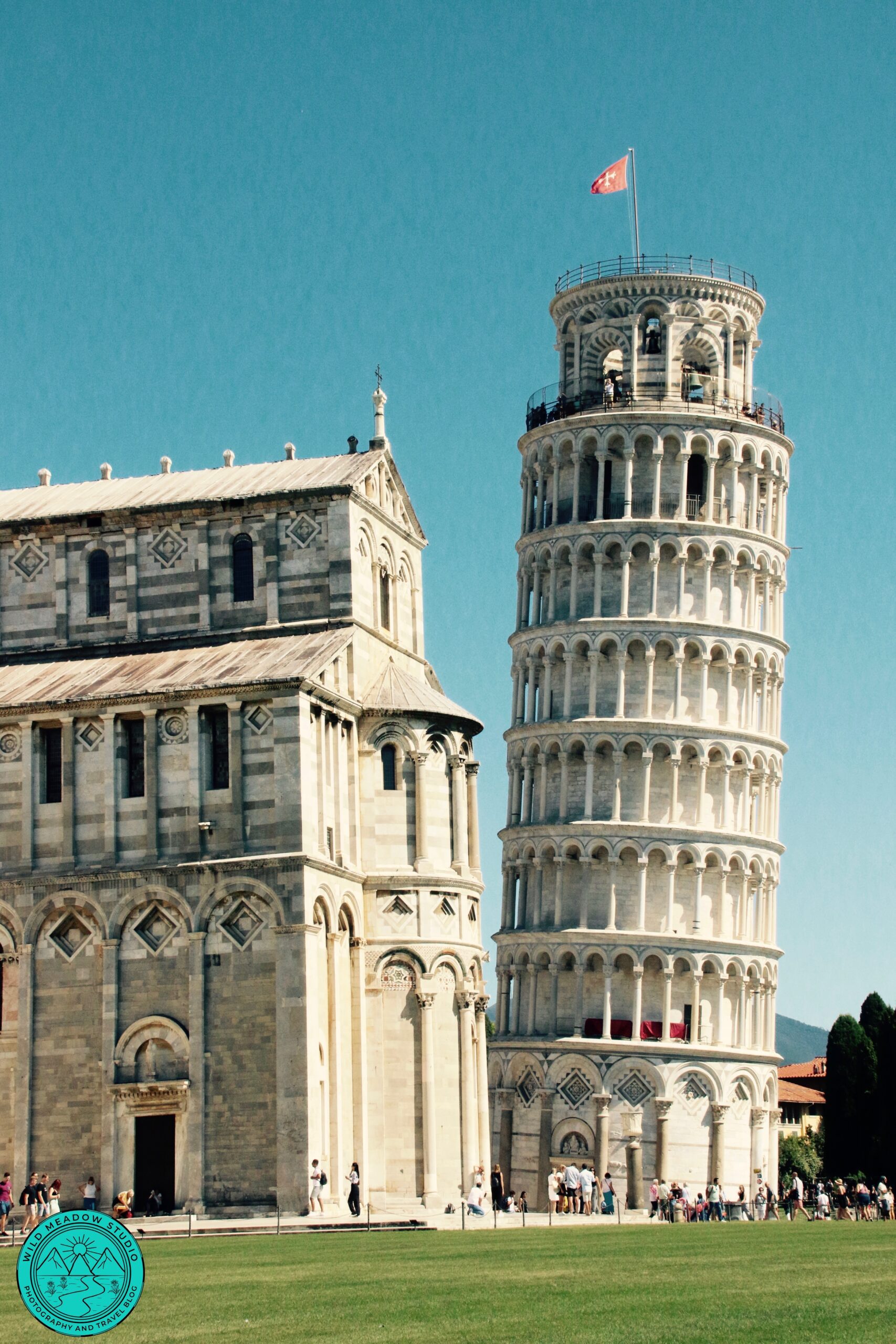
The Leaning Town of Pisa
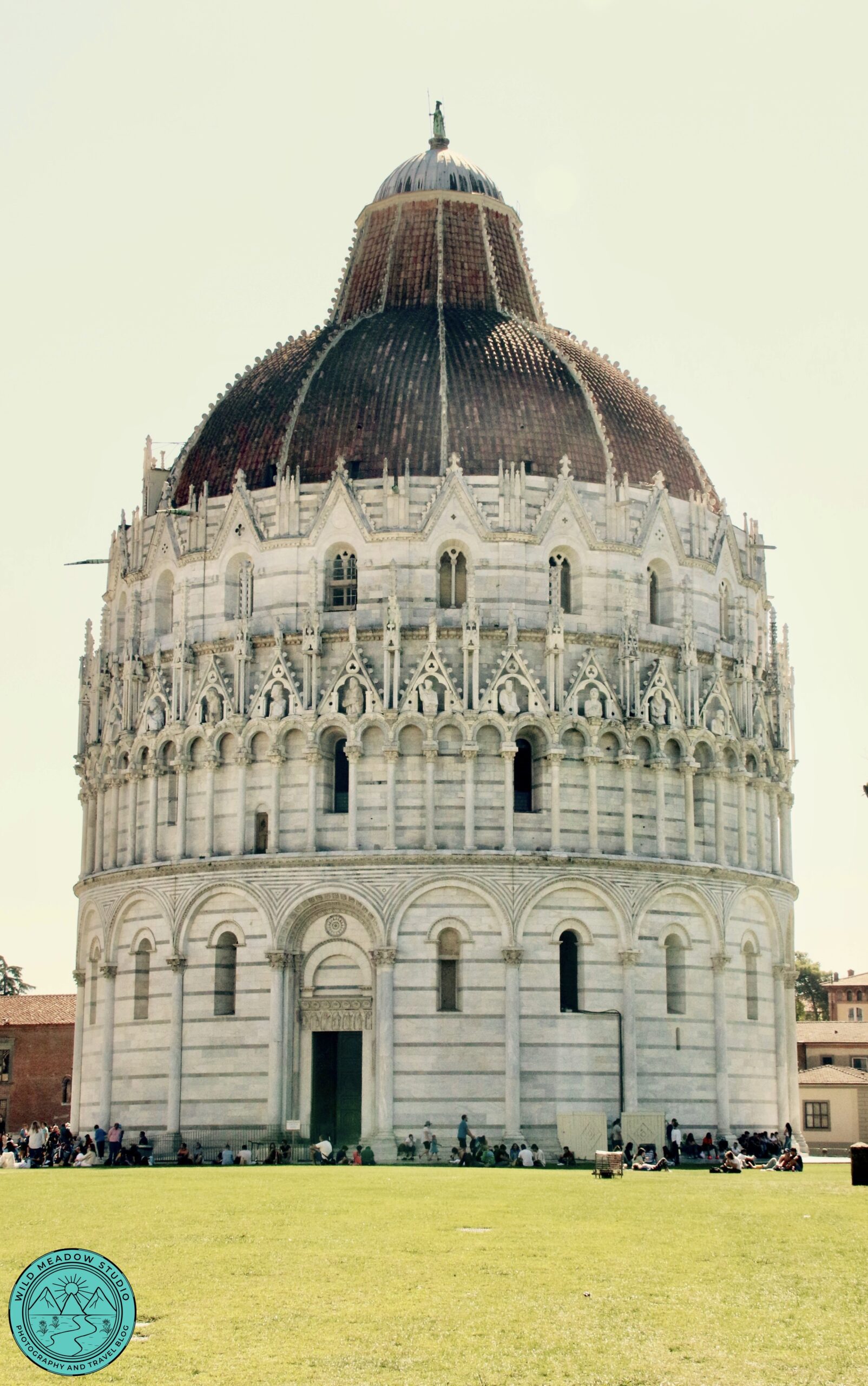
Baptistery
3. Pisa –
Pisa is best known around the world for its famous Leaning Tower, but there’s more to this historic city than the iconic photograph. The magnificent Piazza dei Miracoli is home to the Leaning Tower, Cathedral and Baptistery, and is a UNESCO World Heritage Site. These buildings are stunning and quite a bit larger than I was expecting them to be, they are worth the visit themselves. Once you’ve seen these famous sights, take some time to explore beyond the piazza. Wander through the historic streets, cross the Arno and stroll along the Lungarni, (riverside walk) where elegant buildings line the river. Pisa’s history stretches back more than a thousand years, and its past as an important maritime power is still reflected in its architecture and historic centre. We didn’t have a lot of time here but were happy we made the effort to explore this pretty town and it made a great lunch spot.
Don’t miss: The Leaning Tower, Piazza dei Miracoli, walk the Arno riverfront.
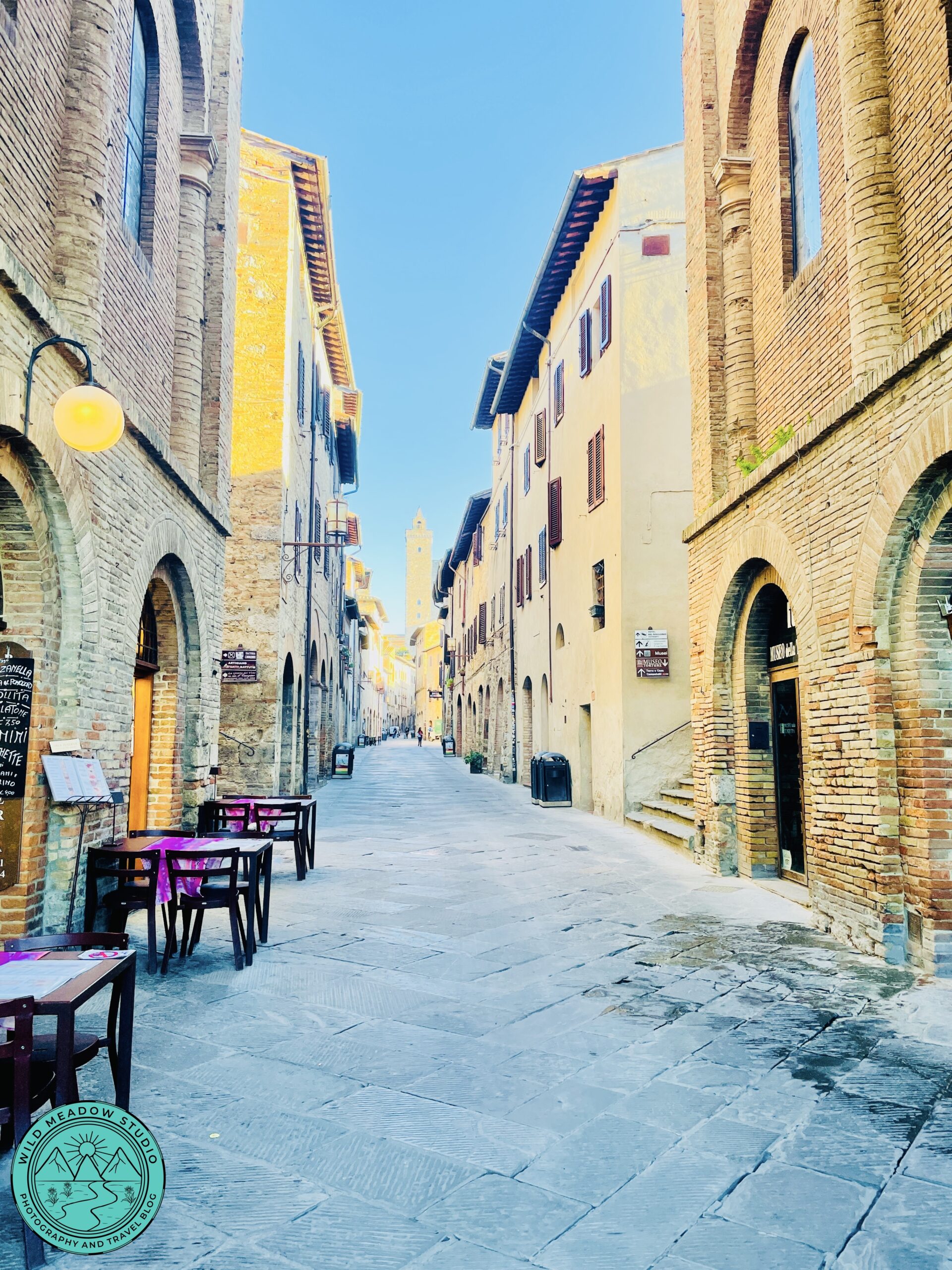
Street in San Gimignano
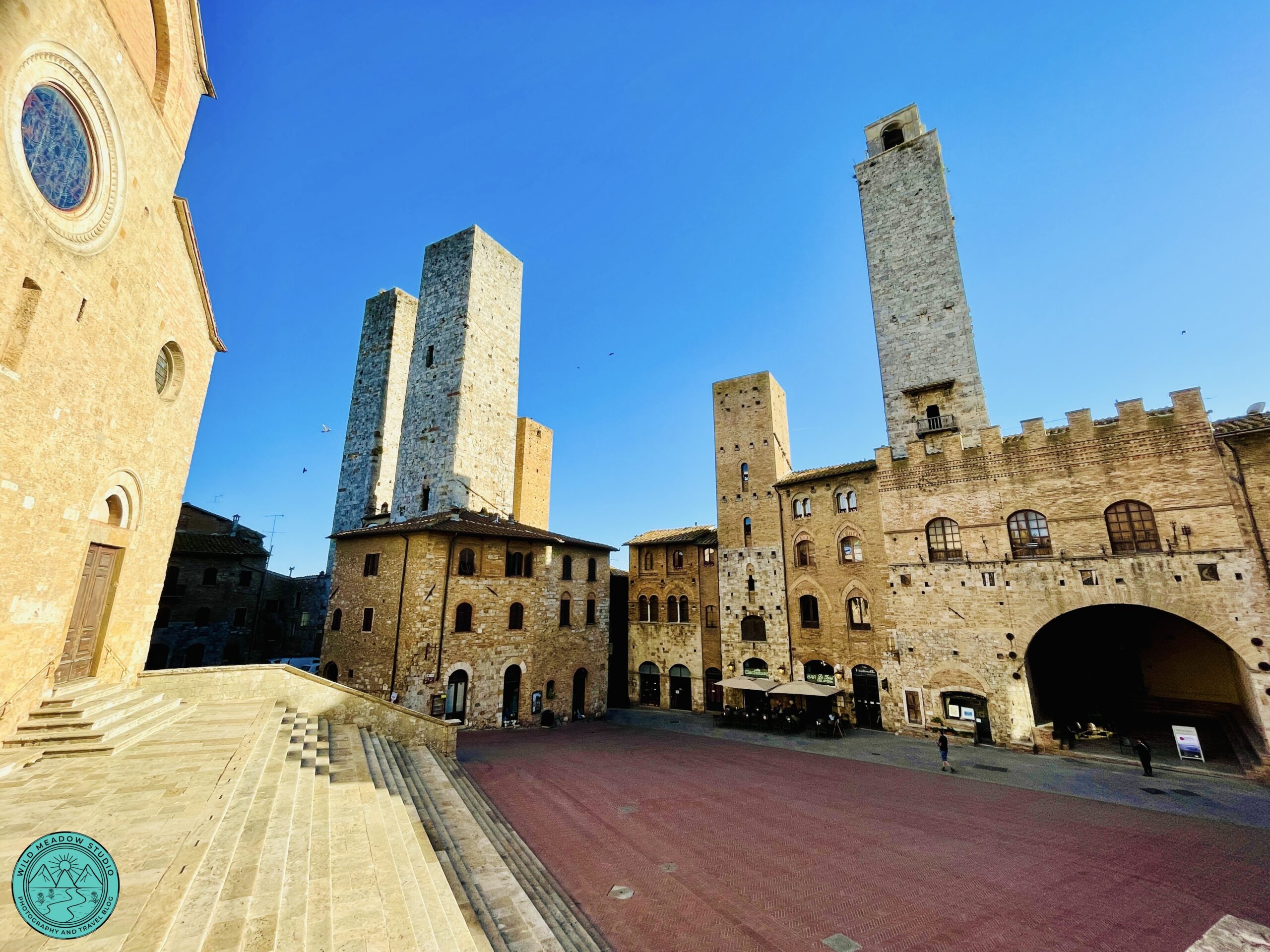
Piazza del Duomo
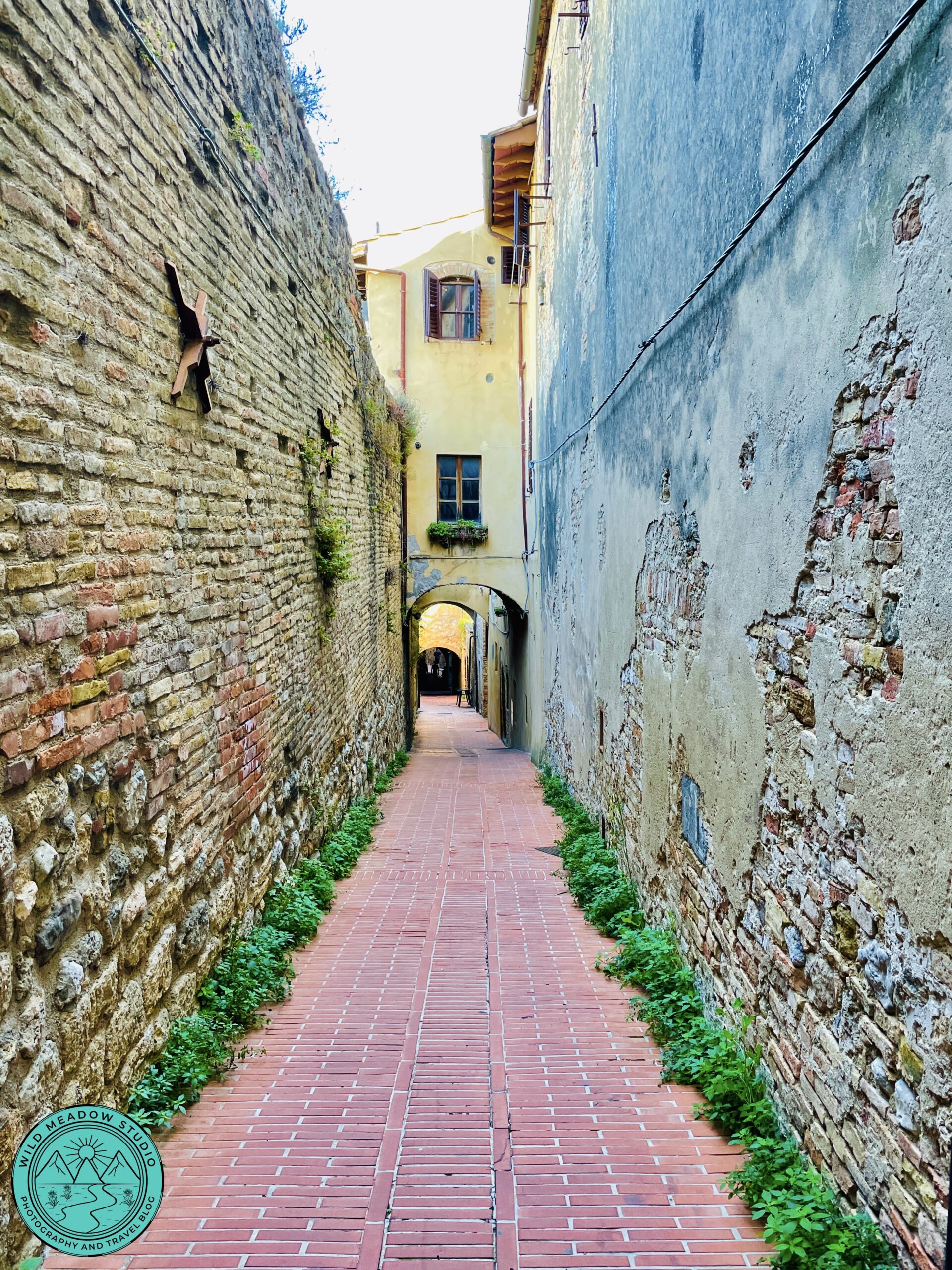
Exploring the Side Streets
4. San Gimignano –
Few places capture the image of medieval Tuscany quite like San Gimignano. As you approach the town, its distinctive stone towers rise above the surrounding countryside, creating one of Tuscany’s most recognizable skylines. Once home to as many as 65 towers, 13 remain today, giving San Gimignano its famous nickname, the “Manhattan of the Middle Ages.”
Inside the historic centre, narrow stone streets lead to beautiful piazzas, historic buildings and the Collegiate Church of Santa Maria Assunta. For one of the best views, climb the Torre Grossa and look out across the rooftops and vineyards of the Tuscan countryside. And while you’re here, don’t forget to sample Vernaccia di San Gimignano, the local wine that has been produced in the area for centuries.
Don’t miss: Piazza del Duomo, the medieval towers, Torre Grossa and a glass of Vernaccia.
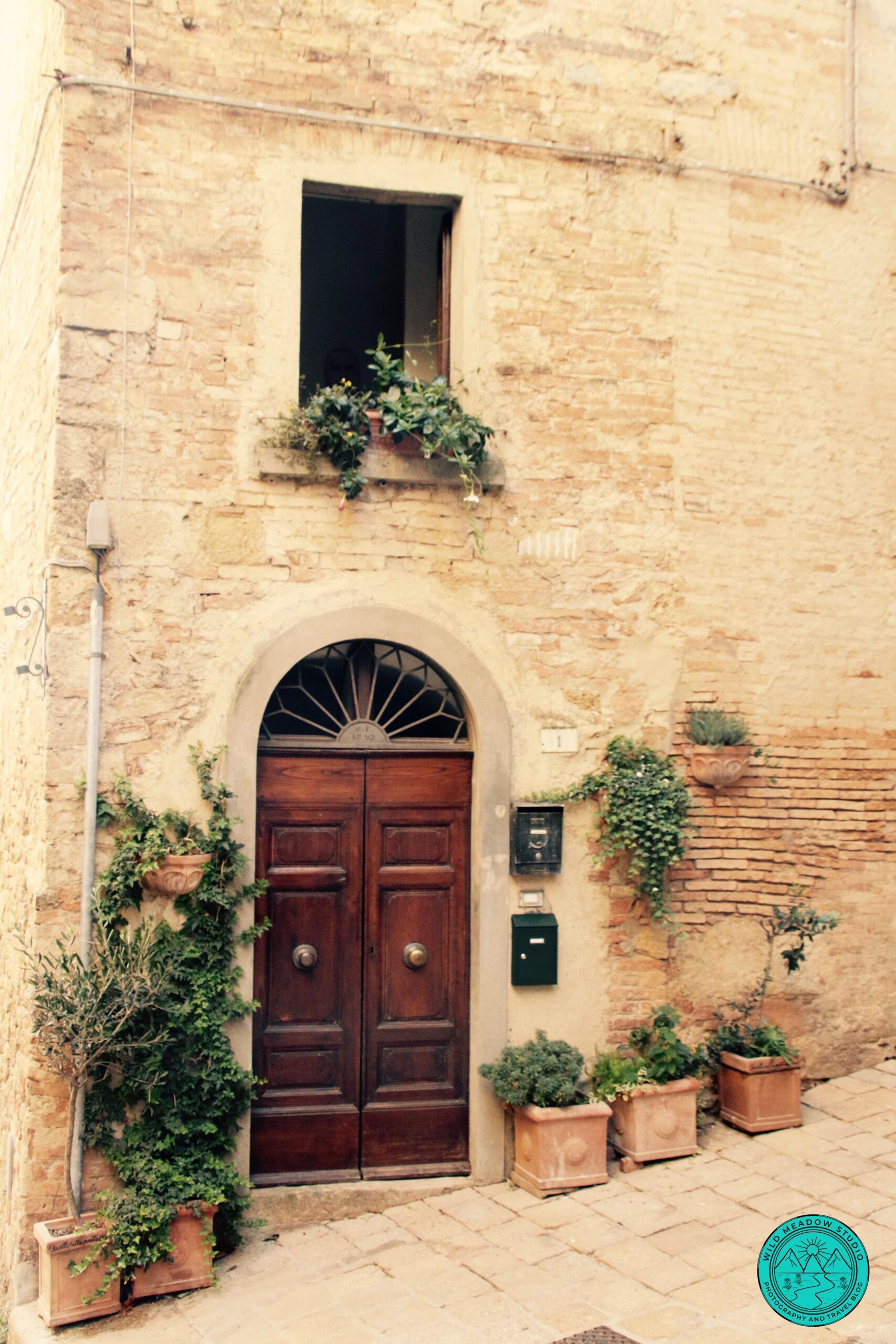
Doorway in Volterra
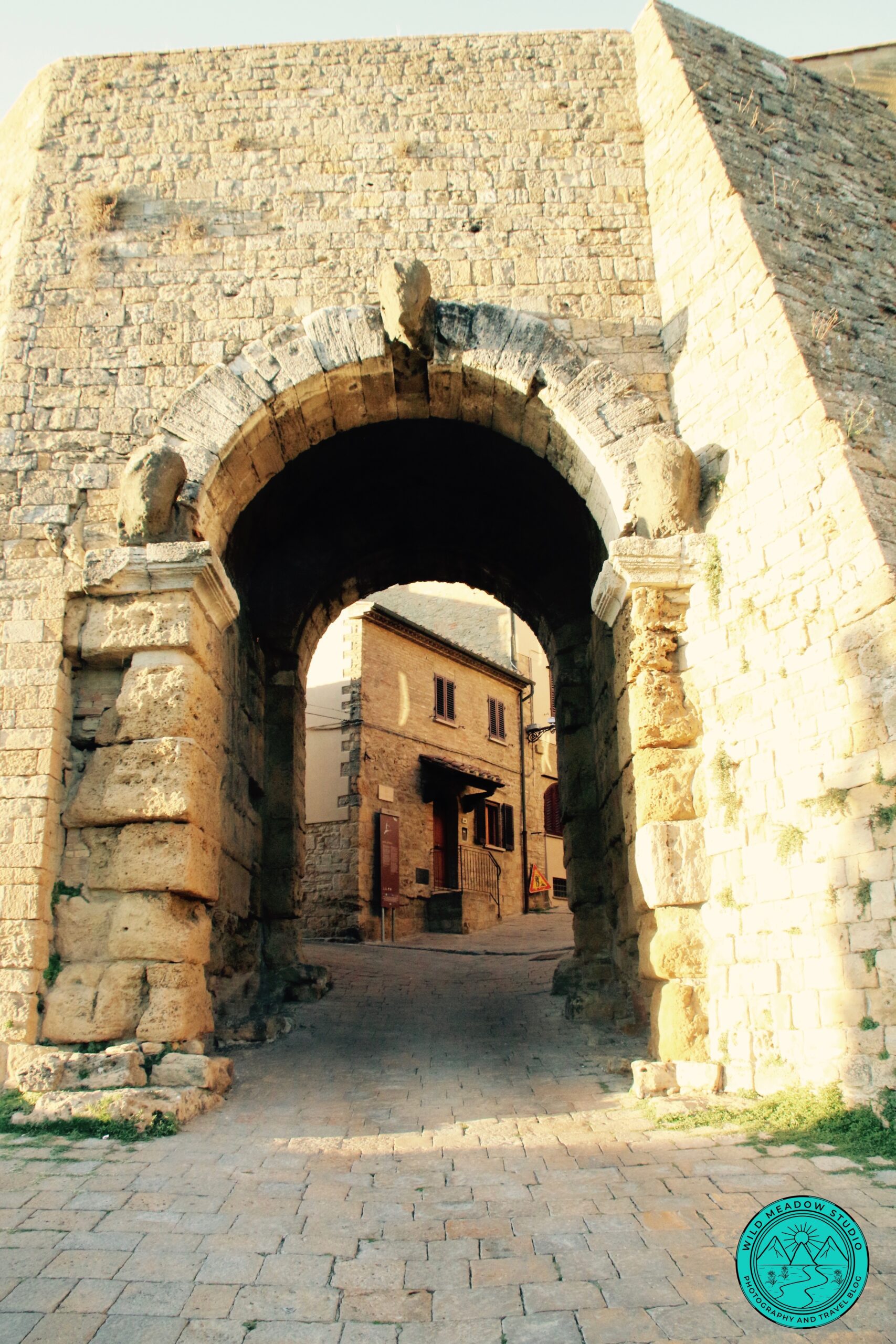
Etruscan Arch
5. Volterra –
Perched high on a hill between the Era and Cecina valleys, Volterra has a different atmosphere from some of Tuscany’s more polished and picturesque towns. Its ancient roots reach back to the Etruscans, while its medieval character can still be seen in the stone streets and imposing walls surrounding the historic centre.
Volterra is also famous for its centuries-old tradition of alabaster craftsmanship, and you’ll find beautiful examples of this local art throughout the town. Explore the historic piazzas, visit the Etruscan Museum and Roman Theatre, and take time to simply wander its quieter streets. Sitting above the surrounding countryside, Volterra also offers wonderful views across the Tuscan landscape.
The Etruscan Arch (Porta all’Arco) is one of Volterra’s most fascinating reminders of its ancient past. Dating back in part to the 4th century BC, this impressive stone gateway once formed part of the city’s Etruscan defensive walls. Look closely and you’ll notice three mysterious carved heads decorating the arch, thought by some to represent protective deities, although their true identities remain unknown. The gate has survived centuries of rebuilding and even narrowly escaped destruction during World War II, when local residents helped save it from being blown up by German forces. Today, it stands as a remarkable link between modern Volterra and the ancient civilization that helped shape it.
Don’t miss: The Etruscan Museum, Roman Theatre, Etruscan Arch, Piazza dei Priori and the local alabaster shops.
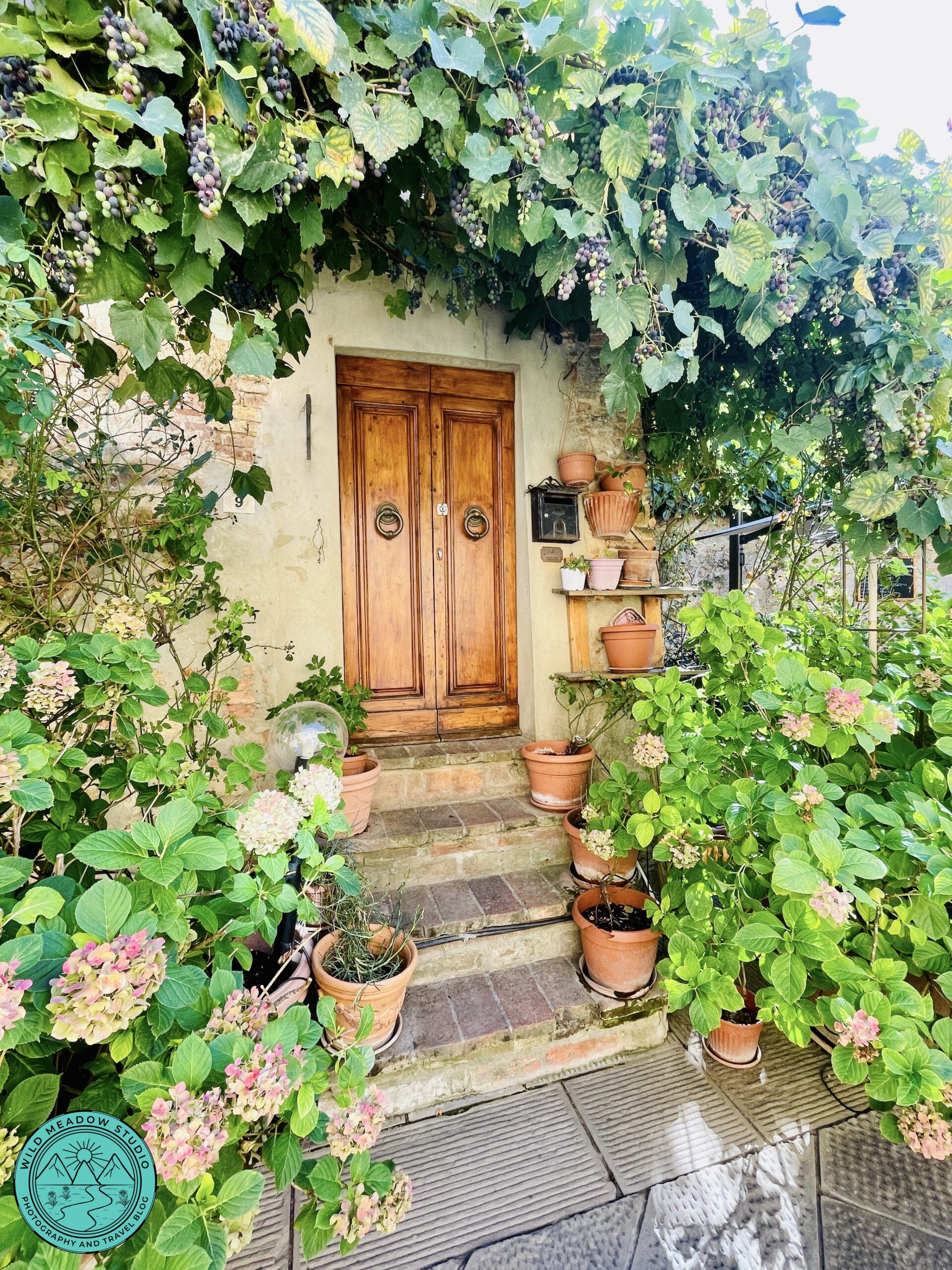
Doorway in Pienza
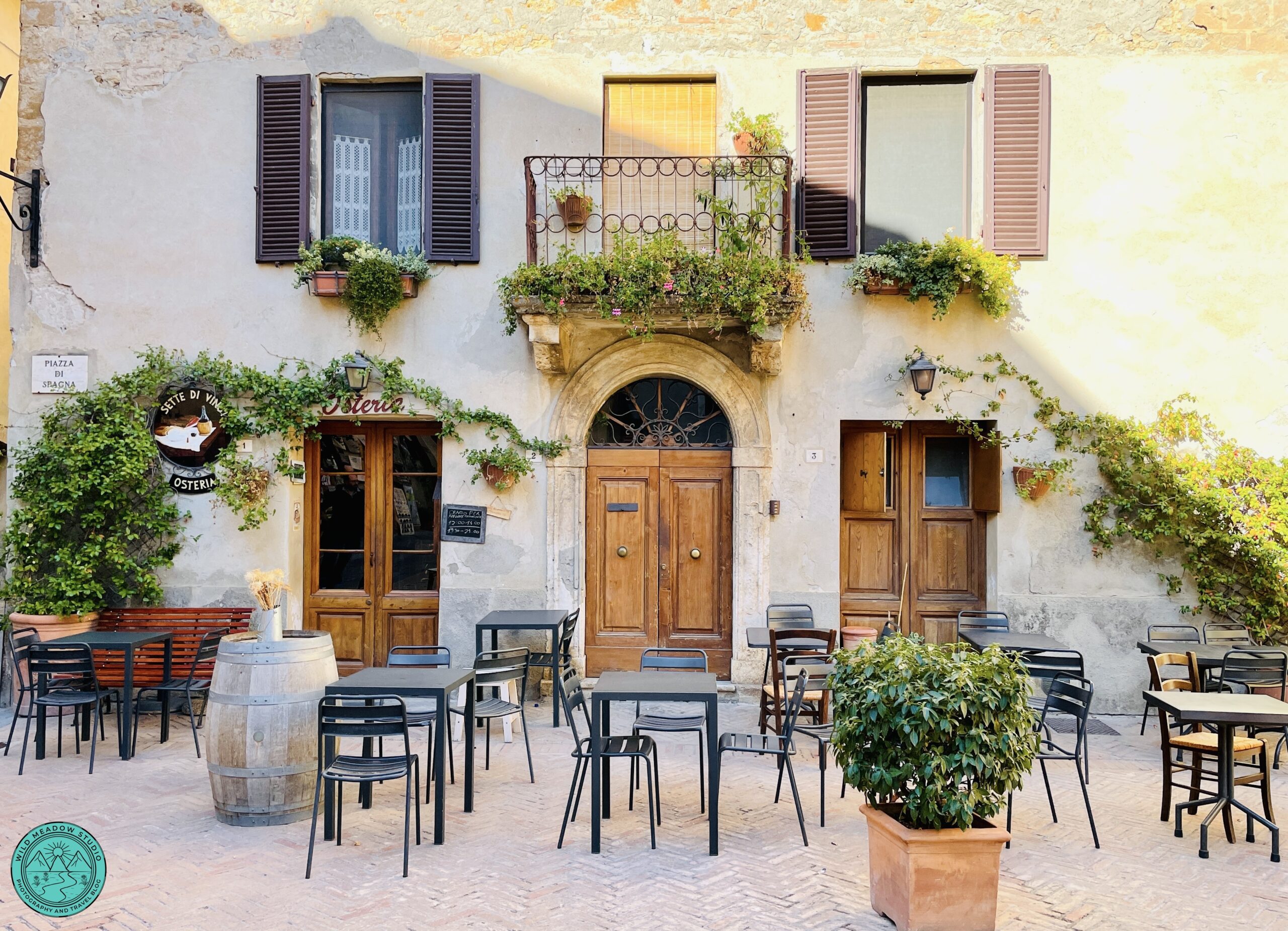
Café in Pienza
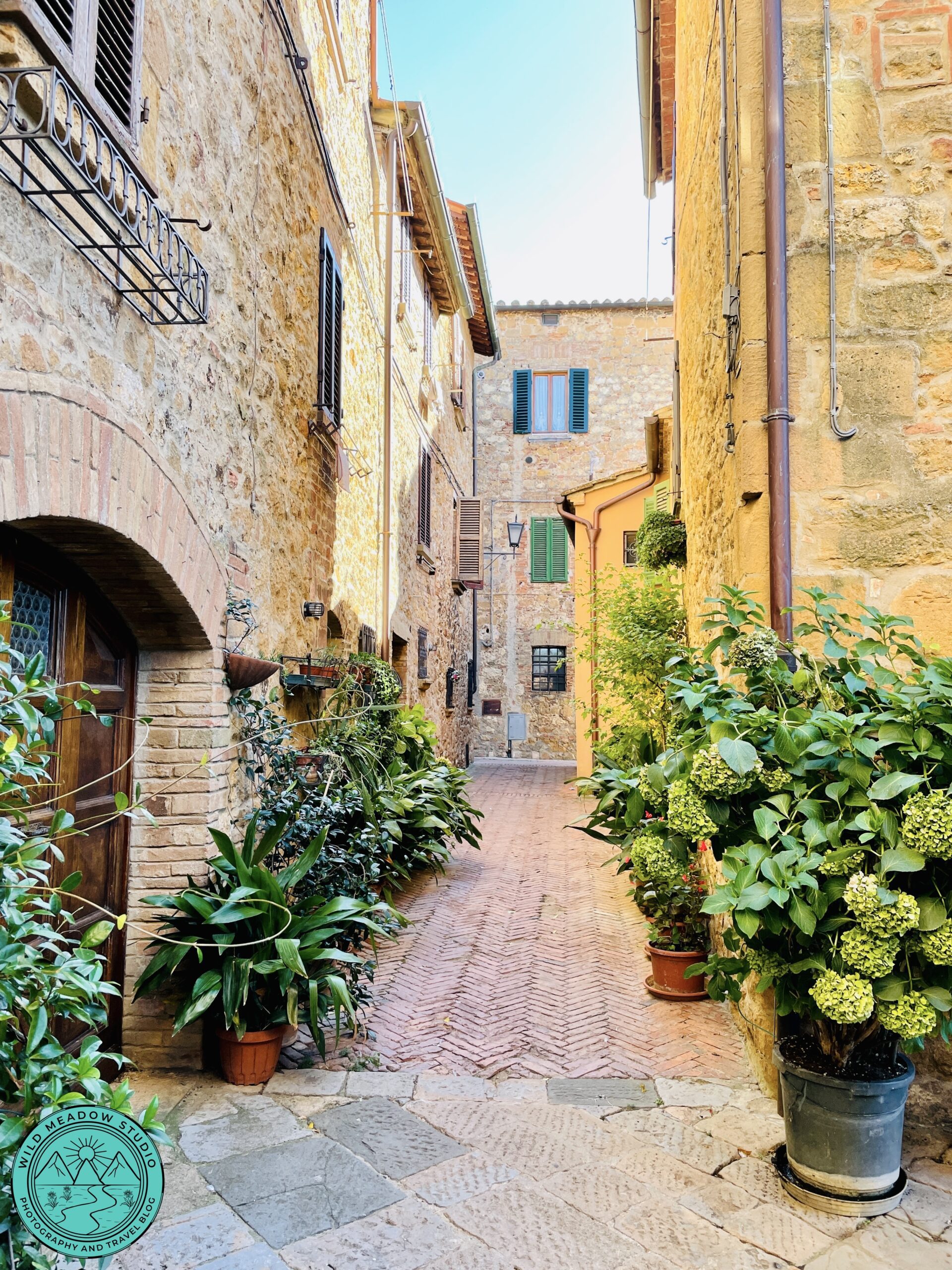
Exploring Pienza
6. Pienza –
Tucked into the beautiful Val d’Orcia, Pienza is a small town with an extraordinary history. Originally called Corsignano, it was transformed in the 15th century by Pope Pius II, who wanted to turn his birthplace into an ideal Renaissance city. The result is a beautifully planned historic centre that has earned Pienza and the surrounding Val d’Orcia UNESCO World Heritage recognition.
Piazza Pio II forms the heart of the town, surrounded by the Cathedral, Palazzo Comunale and Palazzo Piccolomini. One of the joys of visiting Pienza is simply strolling its streets and discovering the viewpoints overlooking the Val d’Orcia. And don’t leave without trying Pecorino di Pienza, the area’s famous sheep’s milk cheese. This town was definitely one of our favourites!
Don’t miss: Piazza Pio II, Palazzo Piccolomini, the Cathedral and the panoramic views over Val d’Orcia.
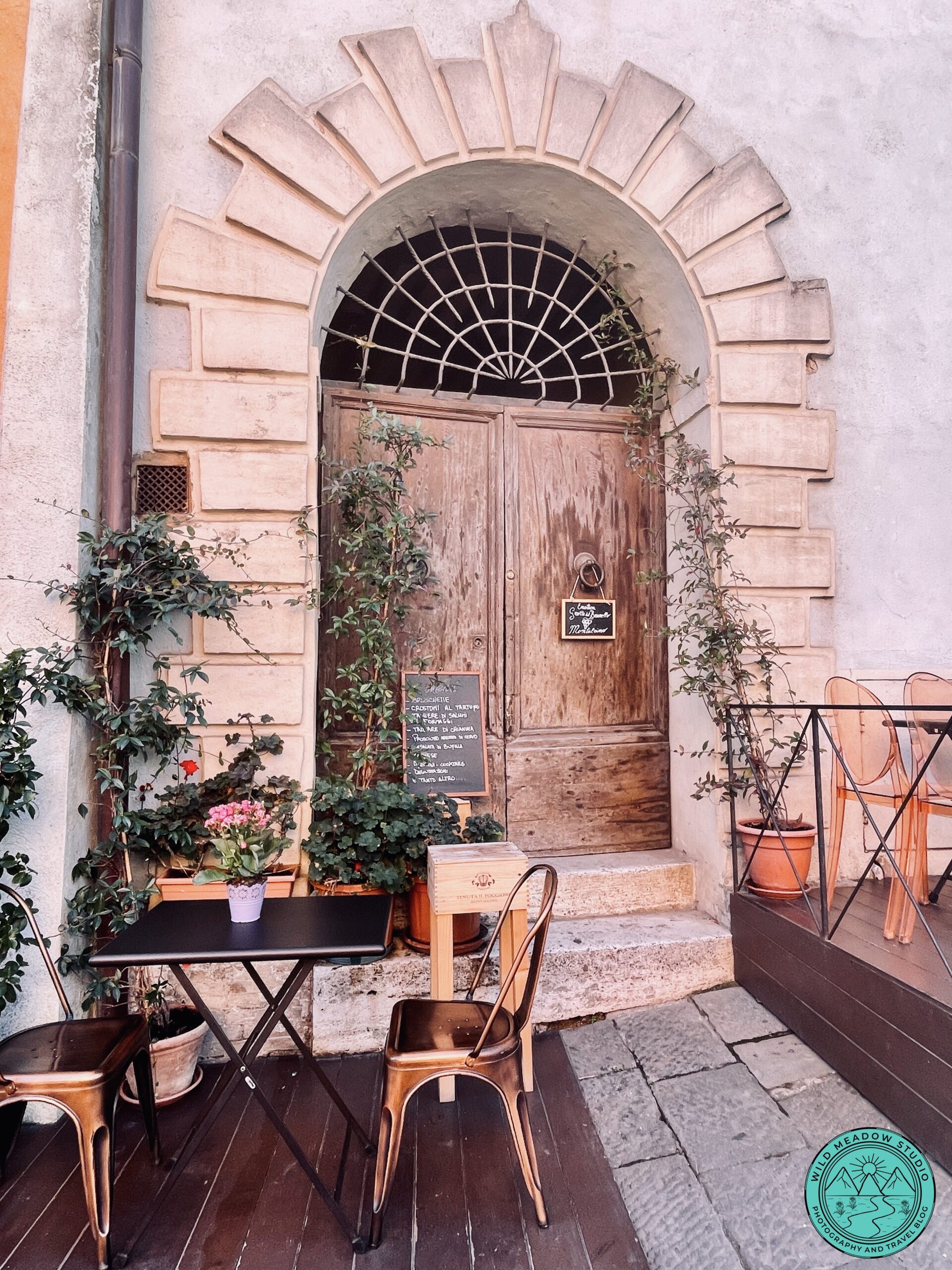
Café in Montalcino
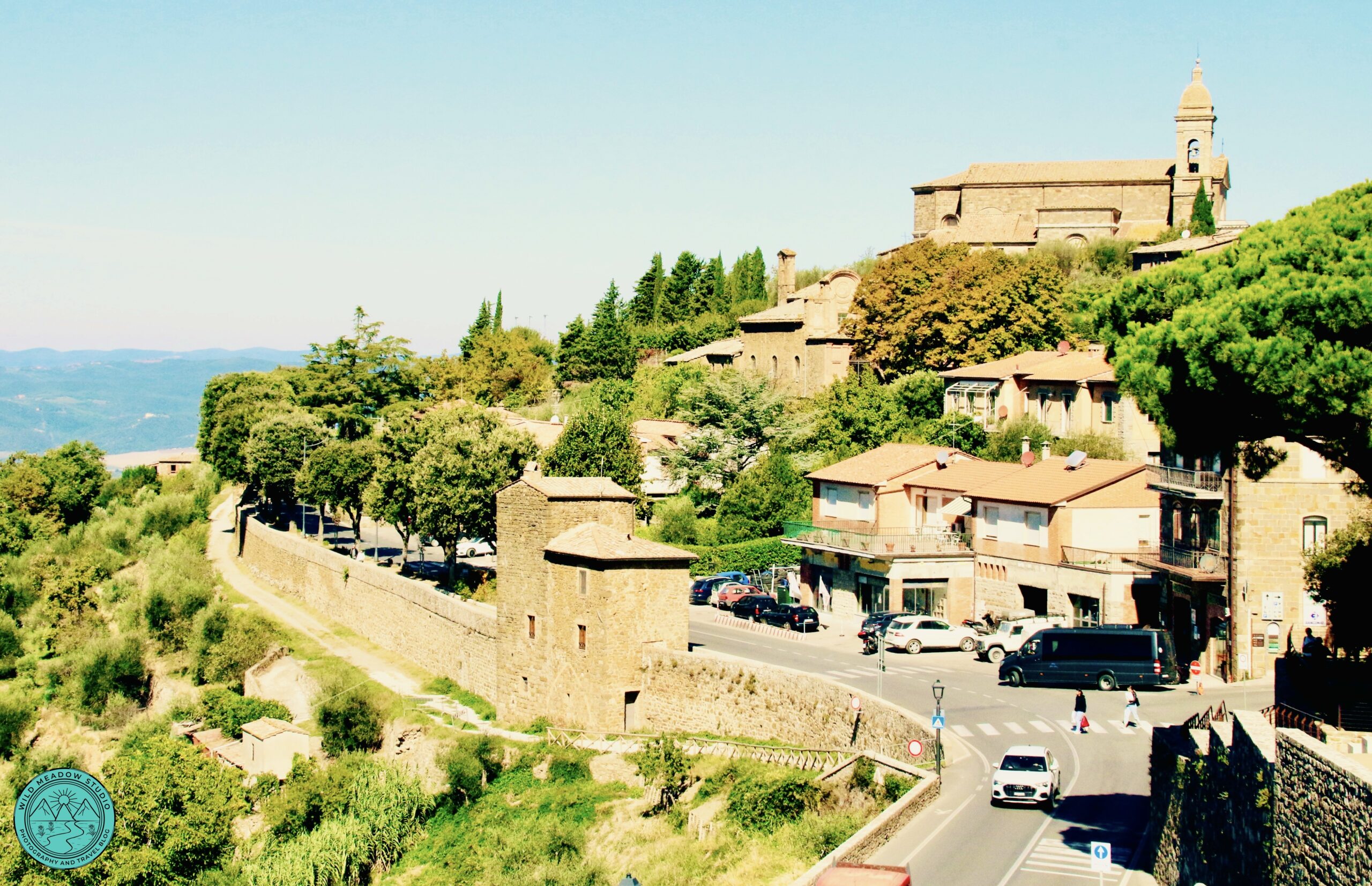
Montalcino
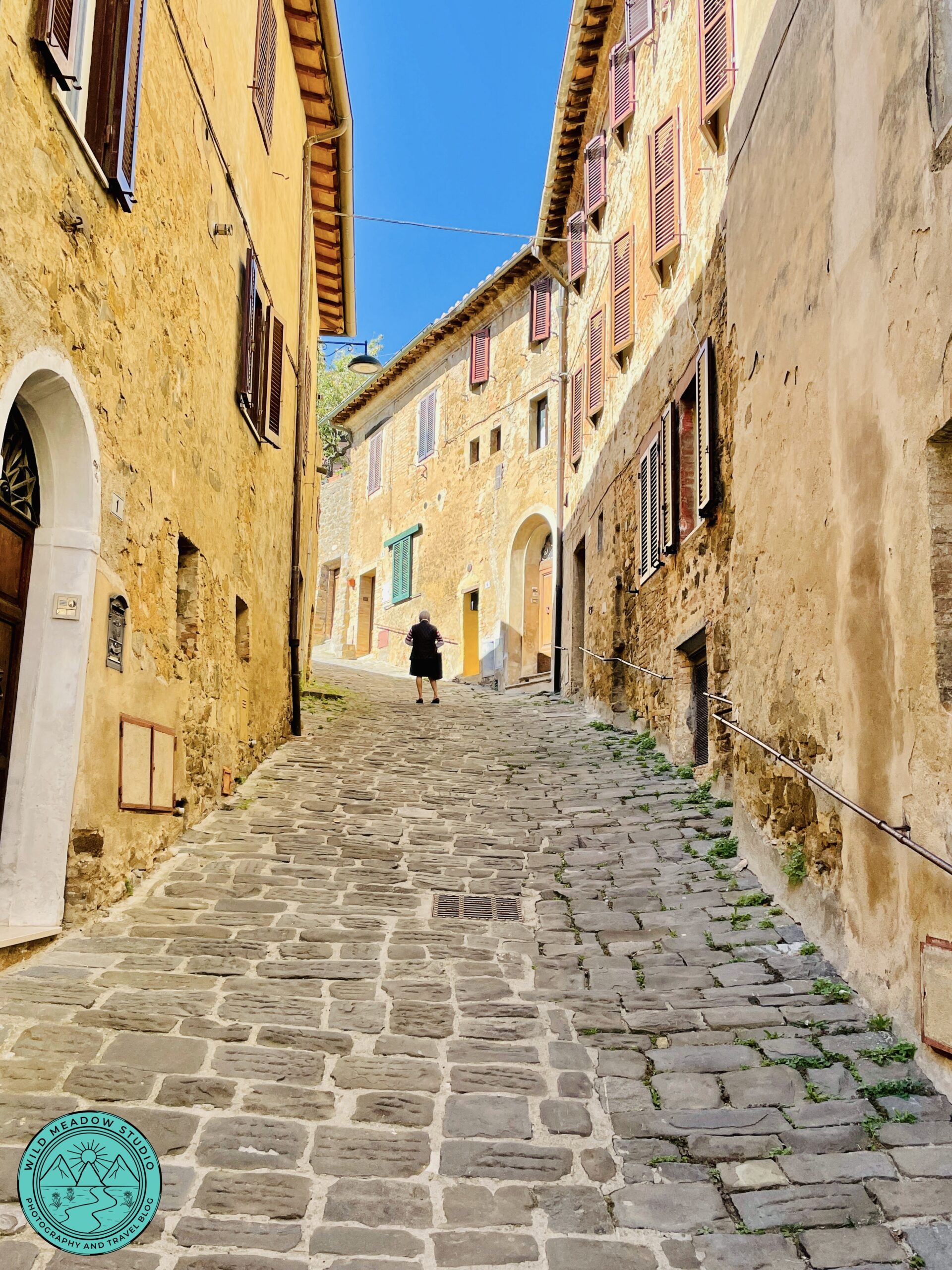
Exploring Montalcino
7. Montalcino –
Surrounded by vineyards and rolling hills, Montalcino is a beautiful medieval hill town in the heart of the Val d’Orcia. The town is particularly famous for Brunello di Montalcino, one of Italy’s most celebrated wines, but even visitors who aren’t wine enthusiasts will find plenty to enjoy here.
The historic centre climbs gently toward the imposing fortress, built in 1361, where you can enjoy sweeping views over the surrounding countryside. Wander through the narrow streets, browse the local wine shops and take in the peaceful atmosphere of this hilltop town. Outside Montalcino, vineyards and olive groves spread across the landscape, creating the quintessential Tuscan scenery that makes this area so memorable.
Don’t miss: The fortress, historic centre, surrounding vineyards and, of course, a taste of Brunello.
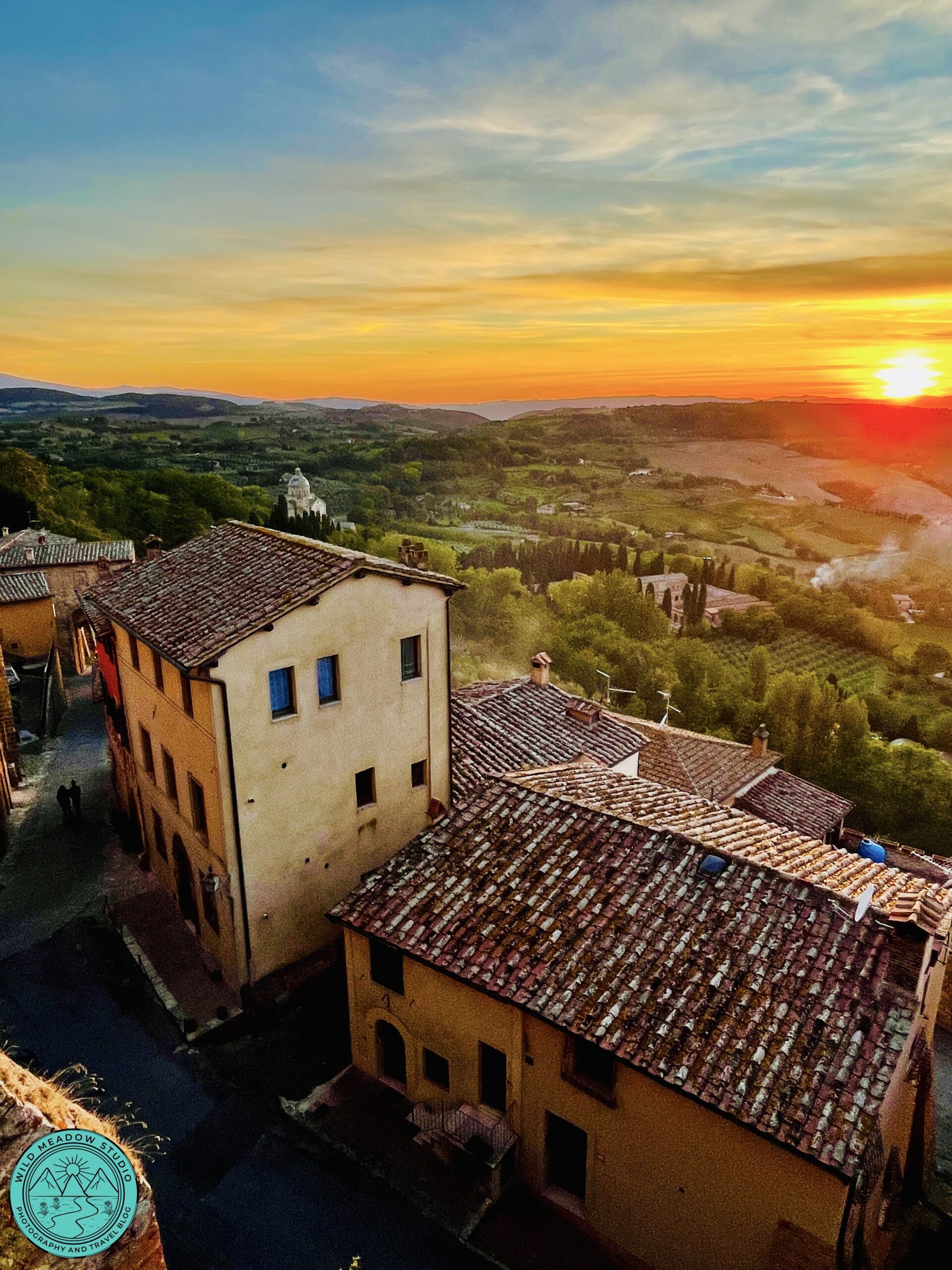
Tuscan Sunset
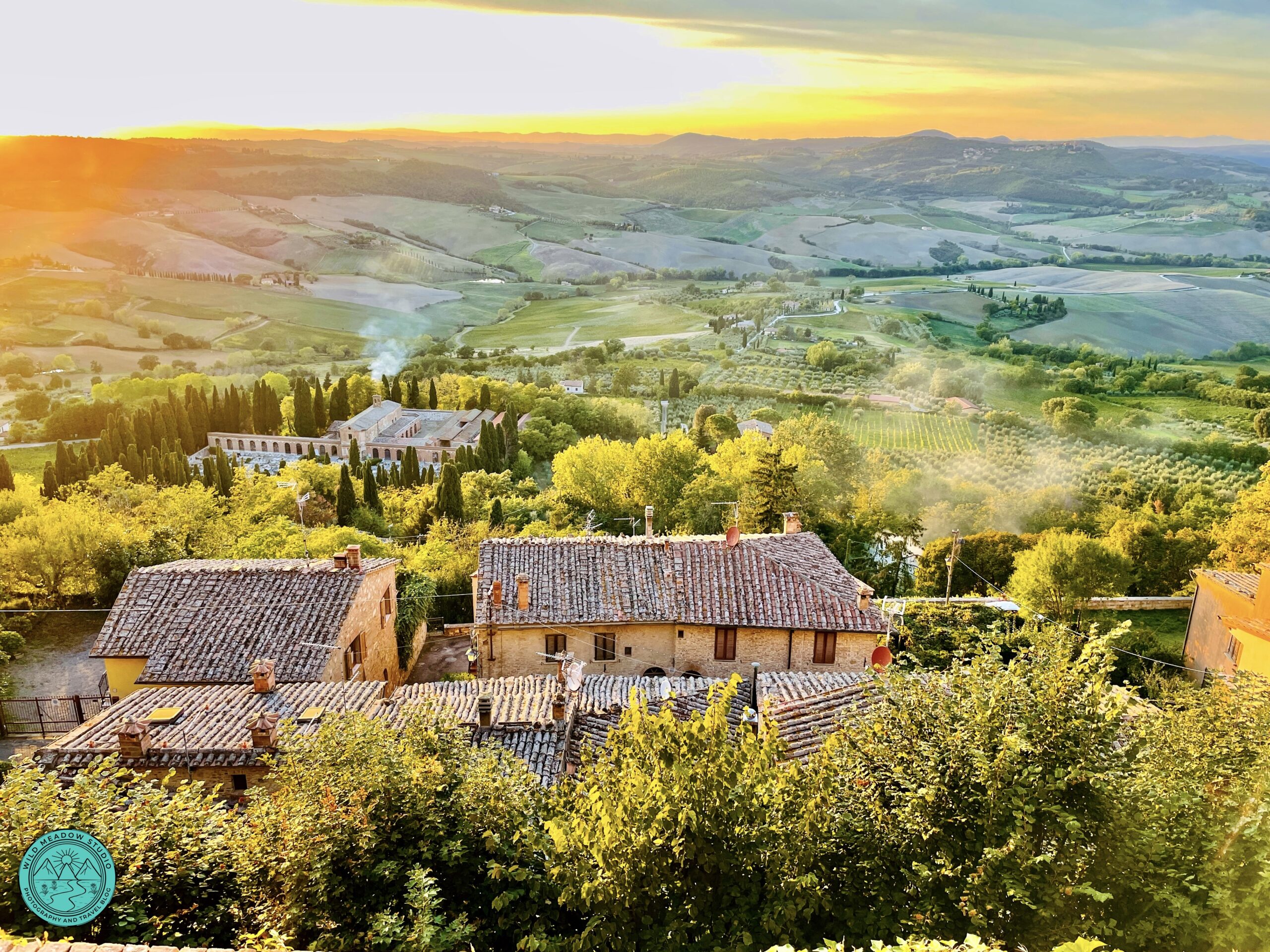
Views from Montepulciano
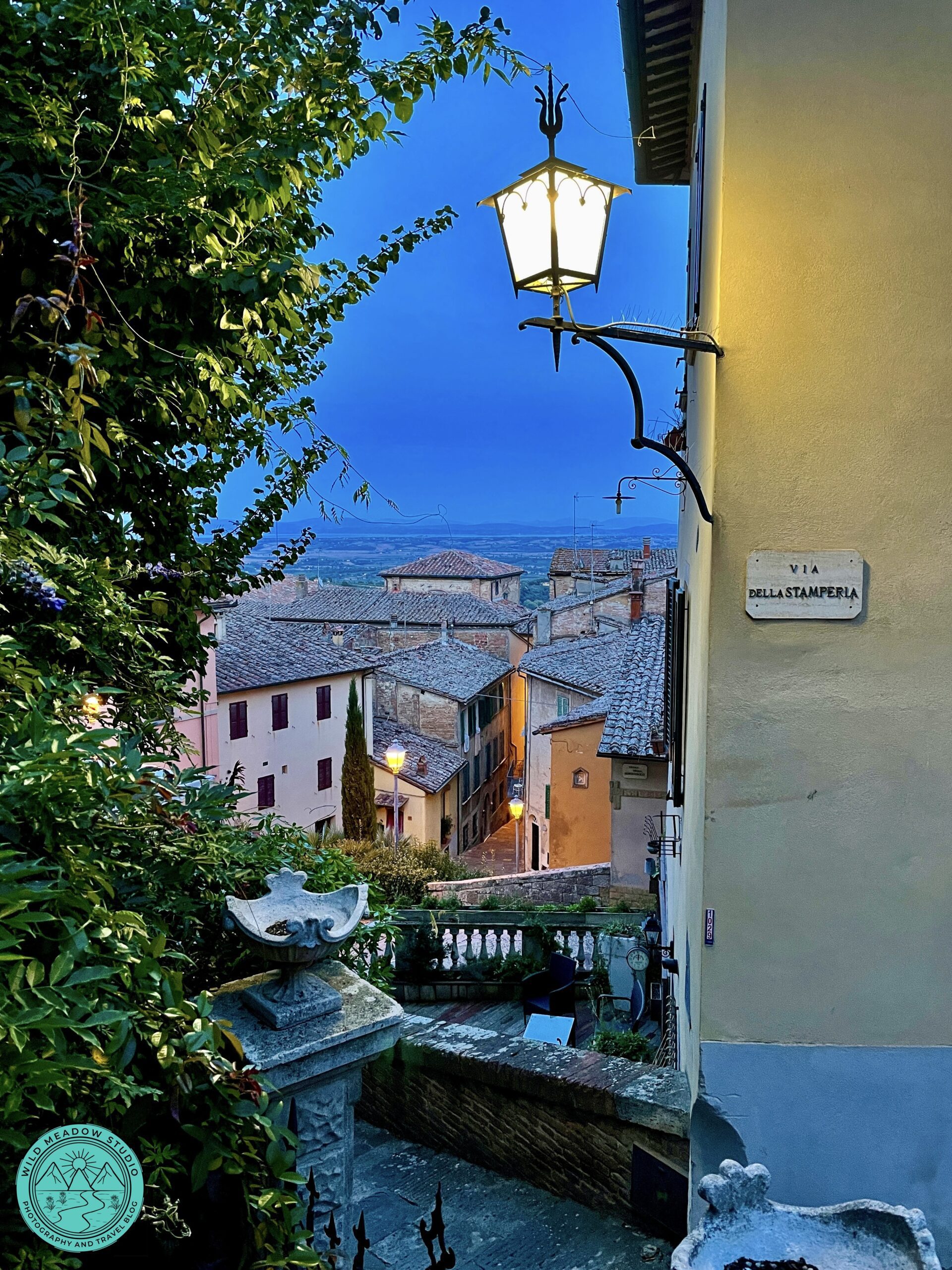
Evening in Montepulciano
8. Montepulciano –
Perched high on a limestone ridge between the Val d’Orcia and Valdichiana, Montepulciano is one of those towns where the journey up the hill is part of the experience. Its medieval street plan and Renaissance architecture are surrounded by some of the most beautiful countryside in Tuscany, with rolling hills and cypress trees stretching into the distance.
At the centre of town, Piazza Grande is surrounded by impressive historic buildings, while the streets leading away from the square are filled with shops, cafés and wine cellars. Montepulciano is also renowned for Vino Nobile di Montepulciano, produced from vineyards surrounding the town. Exploring the historic centre and stopping to sample the local wine makes for a wonderful Tuscan afternoon. But if you can stay for sunset, you will not regret it, we did and it was spectacular.
Don’t miss: Piazza Grande, the historic streets, panoramic viewpoints, sunset, and a Vino Nobile tasting.
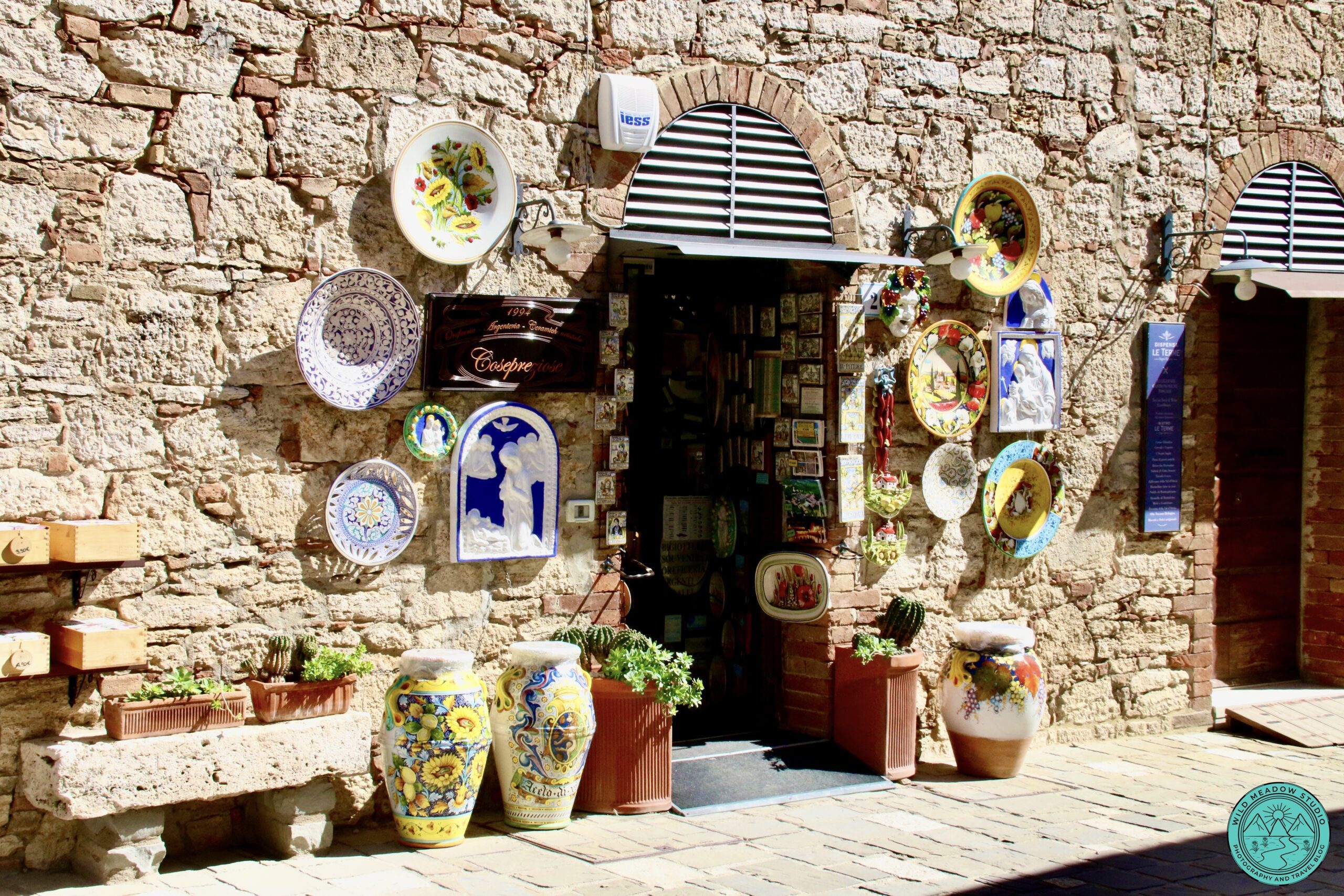
Shops of Bagno Vignoni
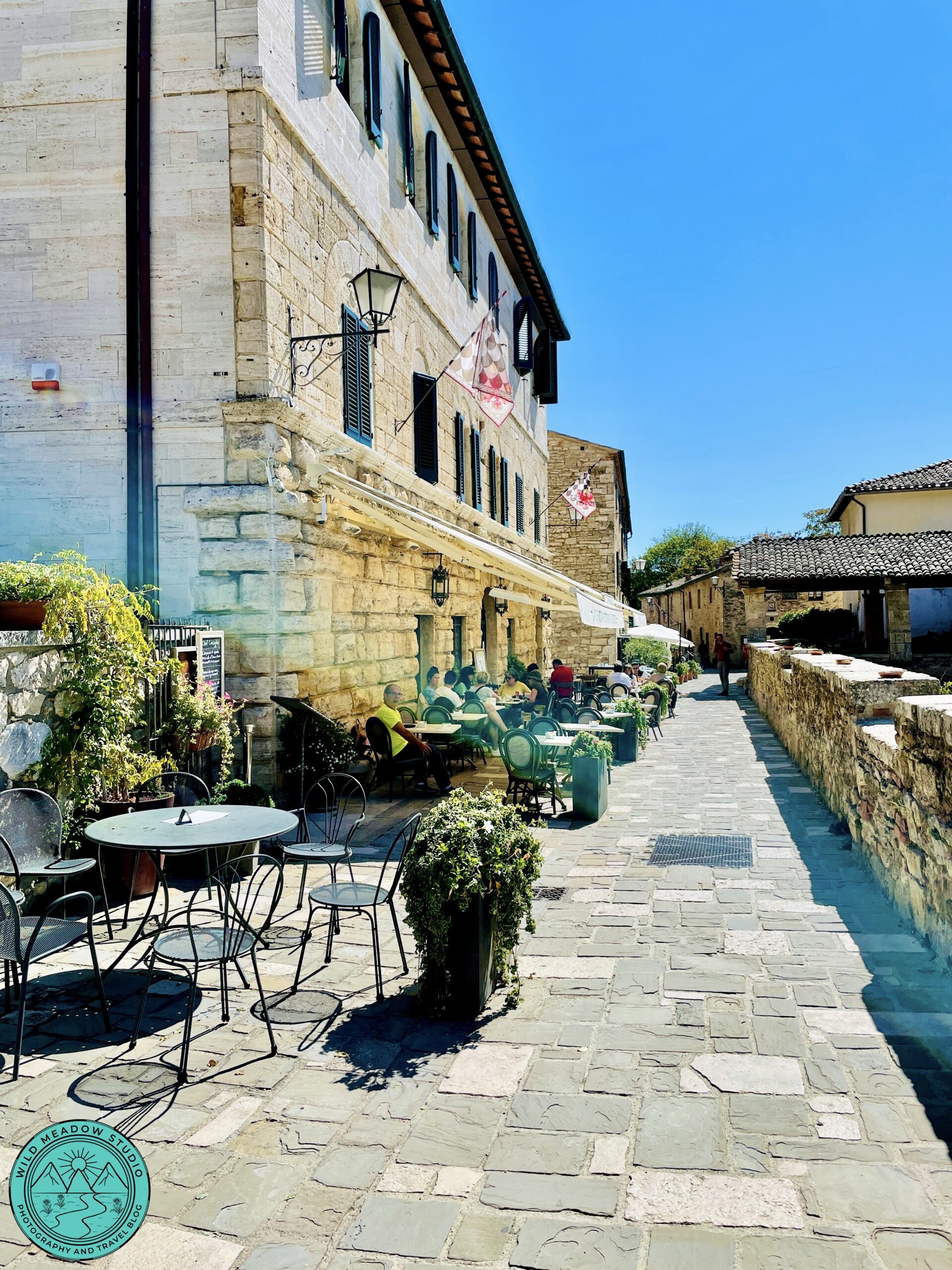
Exporing Bagno Vignoni
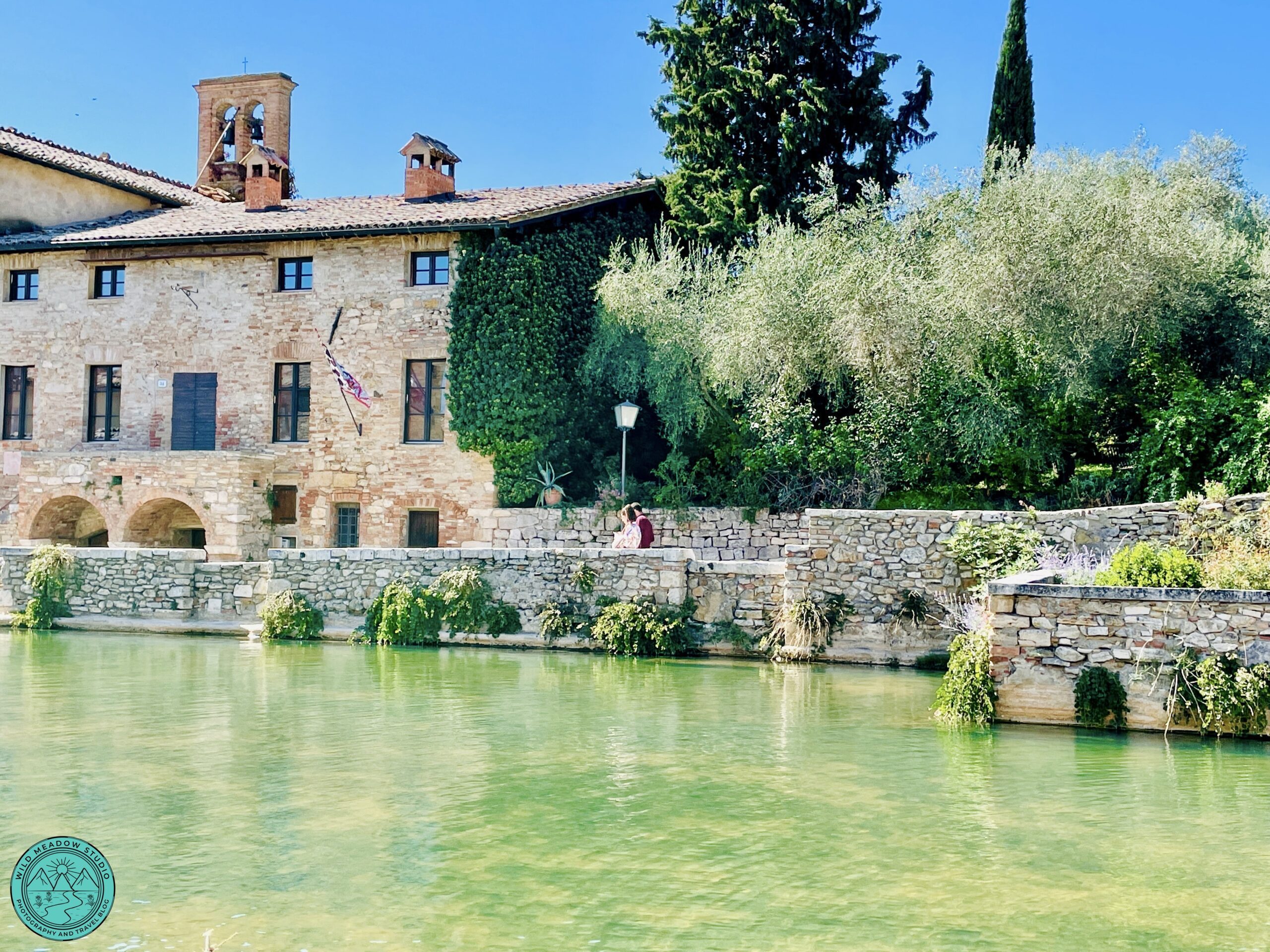
Piazza delle Sorgenti
9. Bagno Vignoni –
Bagno Vignoni may be tiny compared with Florence or Siena, but its unusual setting makes it one of the most memorable stops in Tuscany. At the centre of this little Val d’Orcia village is an extraordinary piazza filled with a large pool of naturally hot thermal water. The springs have been appreciated since Roman times and have played an important role in the history of the village.
Wander around the old stone buildings, admire the thermal pool and explore the surrounding countryside. Bagno Vignoni is also a wonderful base for exploring more of the Val d’Orcia, including nearby Pienza and Montalcino.
Don’t miss: The thermal-water piazza, (Piazza delle Sorgenti) the old village streets and the beautiful Val d’Orcia countryside.
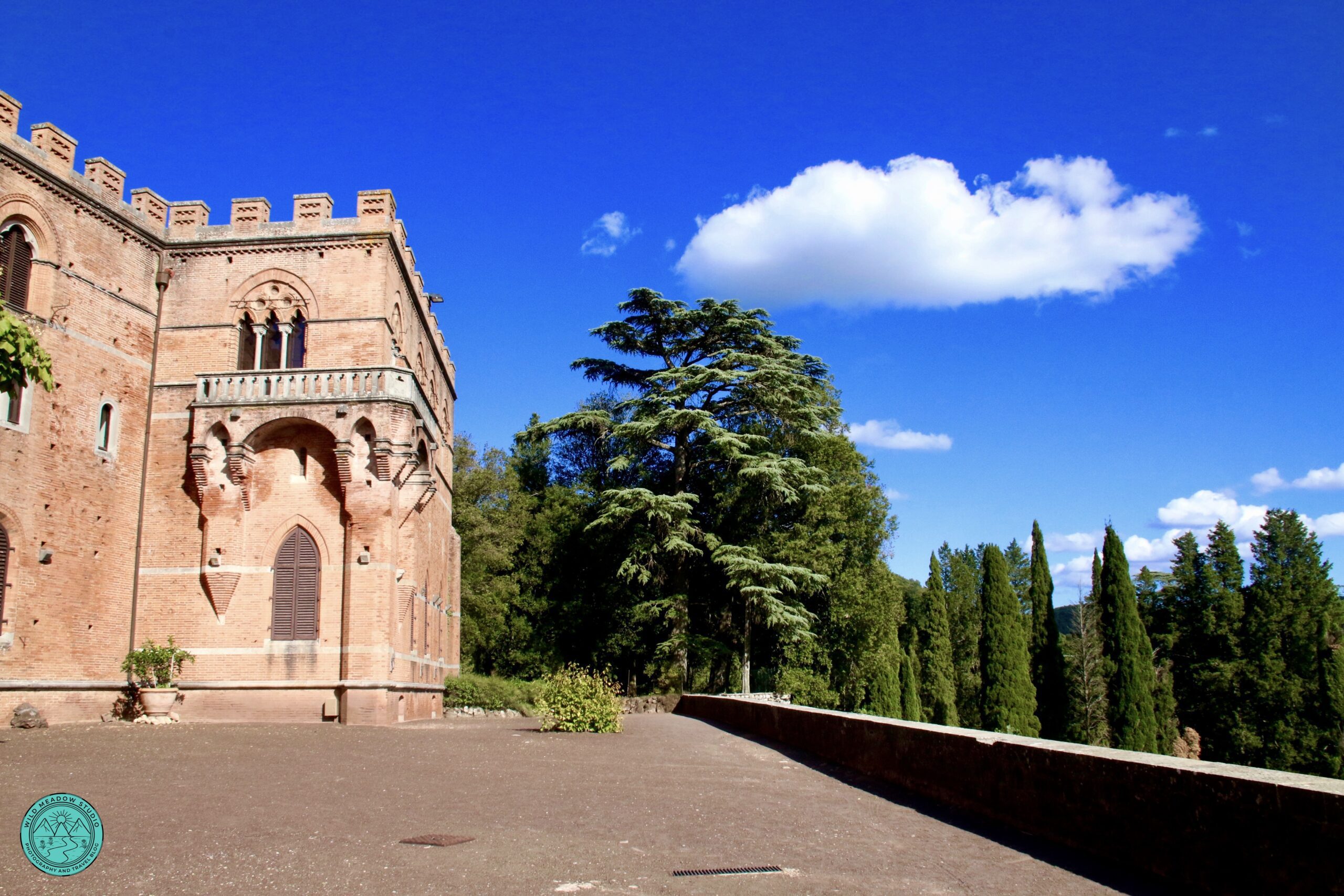
Castello di Brolio
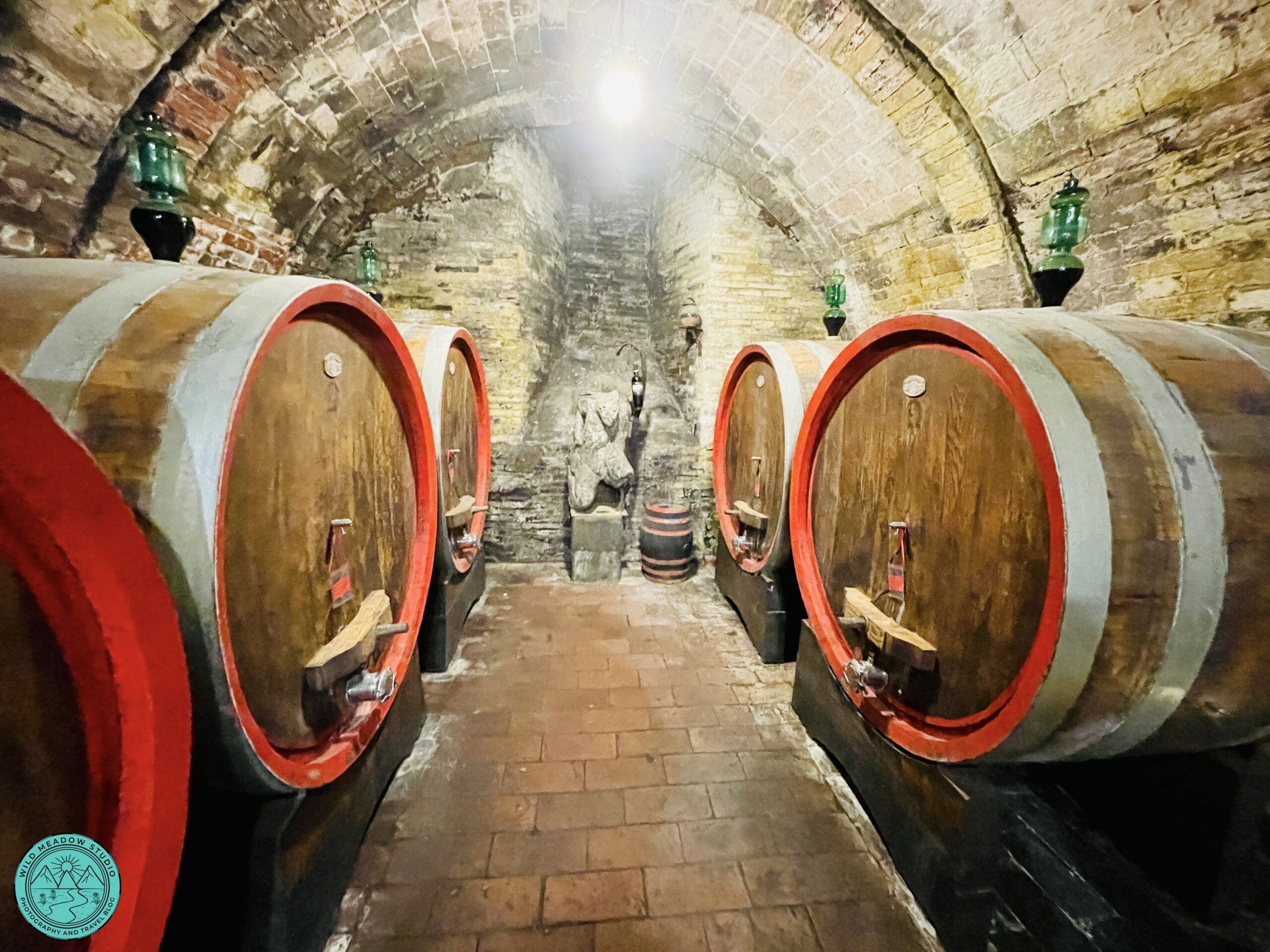
Wine Barrels
4. One Incredible Wine Region:
All of Tuscany is filled with vineyards and wineries, but one region that can’t be missed when visiting Tuscany, is Chianti!
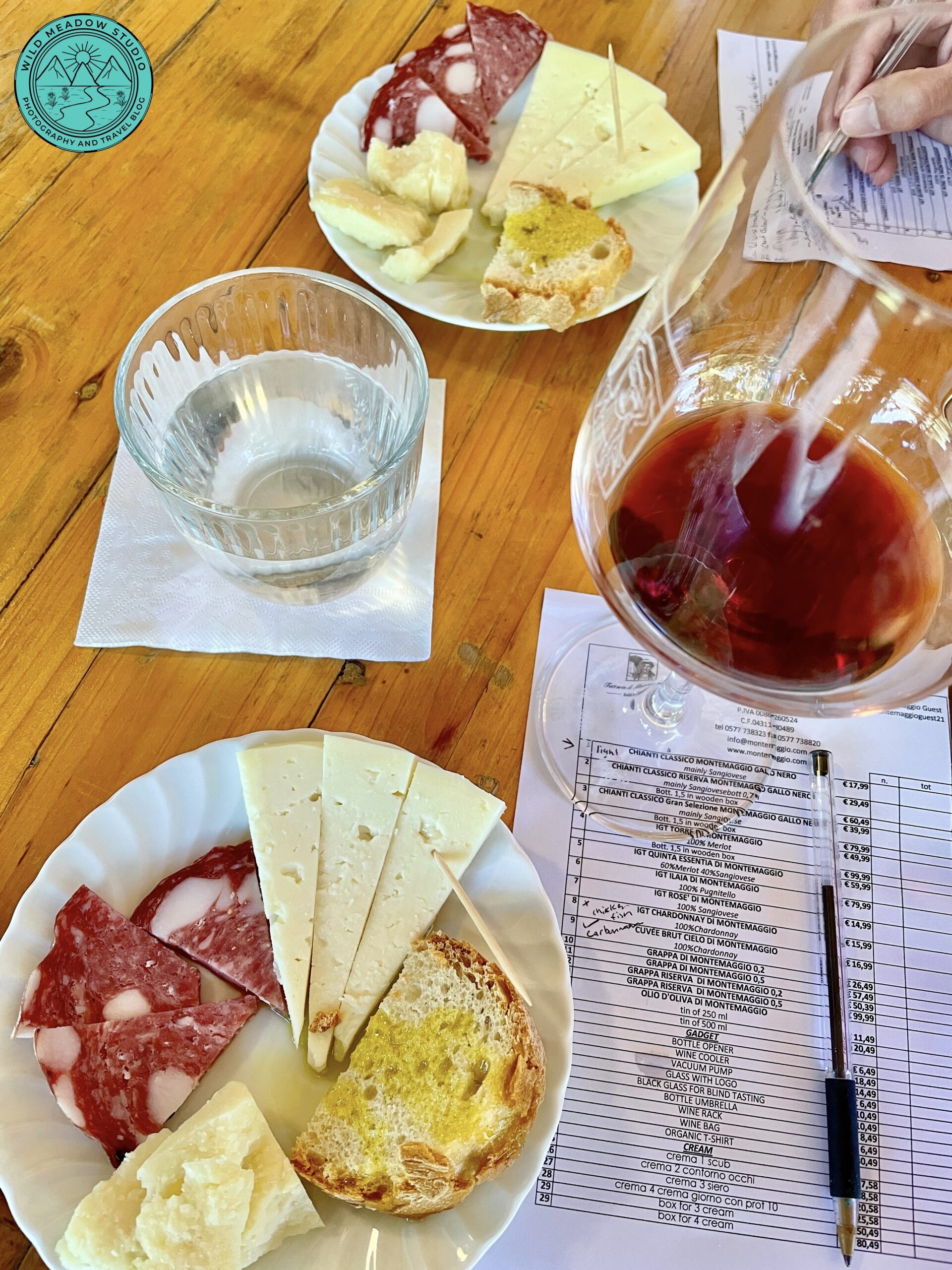
Wine Tasting
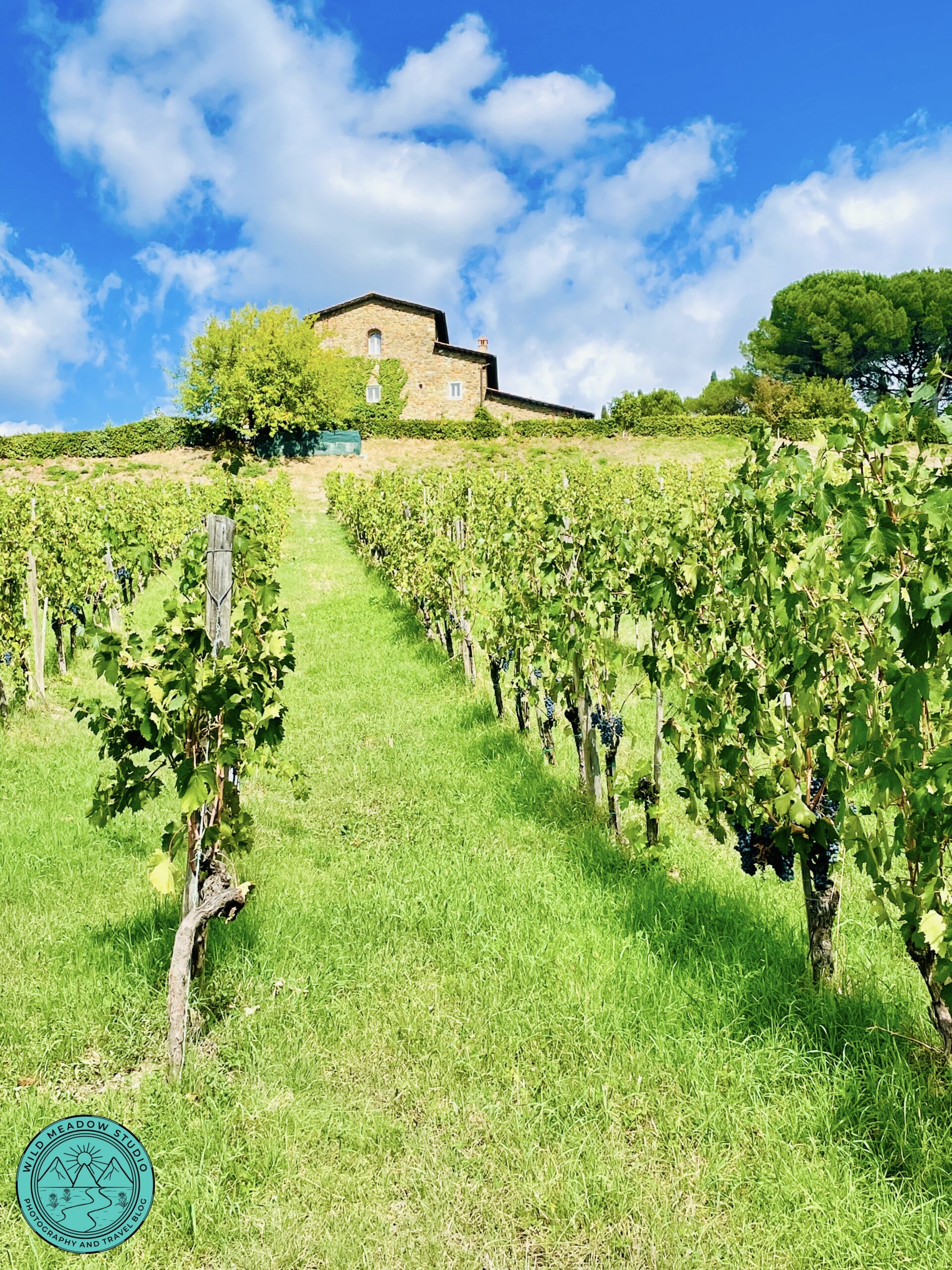
Chianti Vineyard
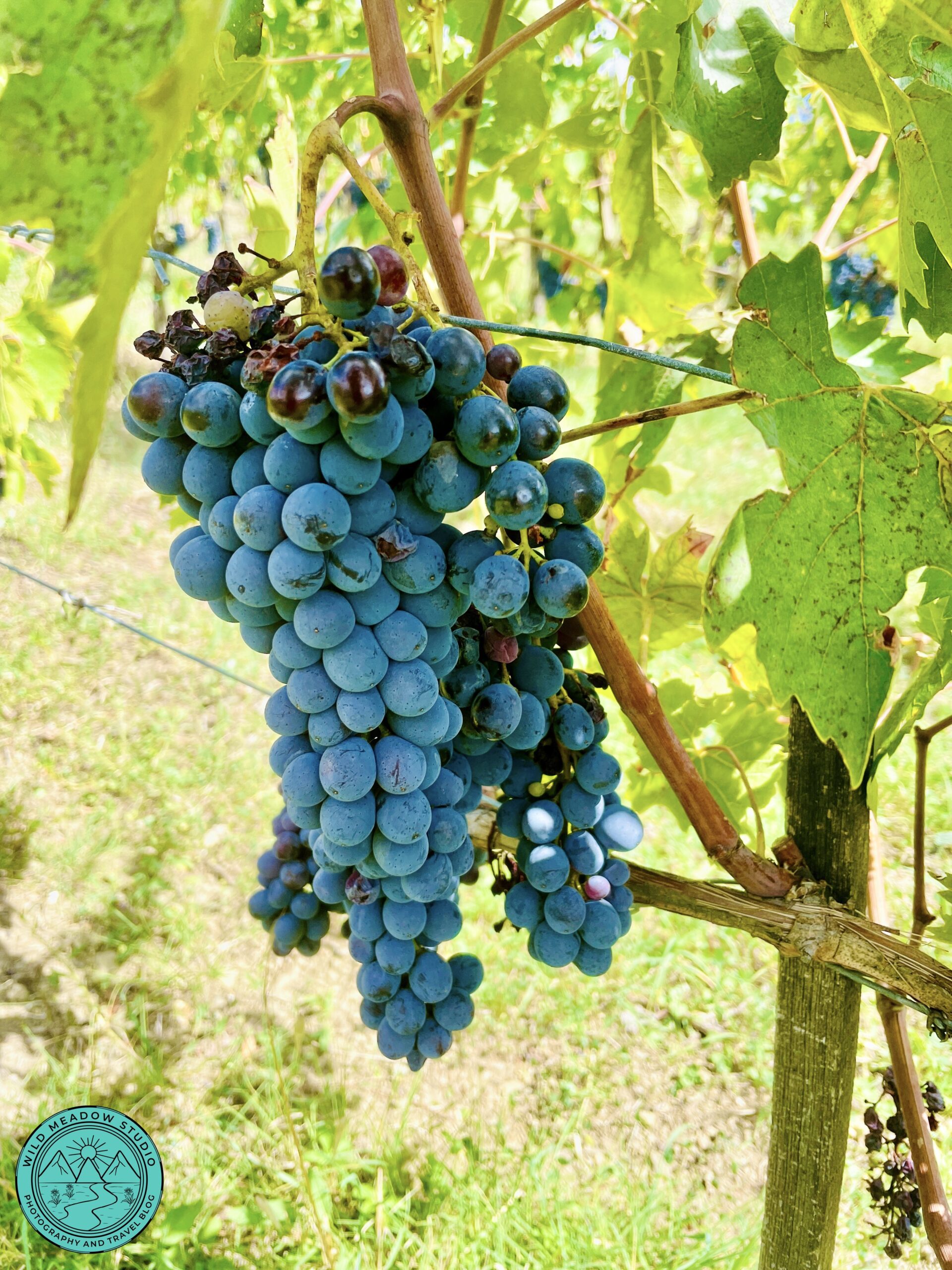
Chianti Grapes
- Chianti –
Rather than choosing just one town in Chianti, we think the entire Chianti Wine Region deserves a place on this list. Stretching through the countryside between Florence and Siena, Chianti is the Tuscany many people picture when they imagine an Italian countryside escape—rolling green hills, vineyards, olive groves, cypress trees, stone farmhouses and medieval villages.
The best way to experience Chianti is to take your time and follow the winding roads through the countryside, stopping whenever a village, viewpoint or vineyard catches your eye. Towns such as Radda in Chianti, Greve in Chianti and Castellina in Chianti make wonderful stops along the way. Radda, in particular, sits among the vineyards and offers beautiful views over the surrounding hills.
Of course, wine is a big part of the experience. Chianti Classico is produced throughout this region, but the area is about much more than wine. Local olive oil, traditional food, historic churches, castles and quiet country roads all add to its charm. It’s the kind of place where the journey itself becomes part of the destination.
We did a wine tasting/tour in Chianti with a picnic in the vineyard, I mean come on, it was amazing, something we will never forget! This is the wine tour we did and loved: check it out here.
Don’t miss: A scenic drive through the vineyards, a Chianti Classico tasting, Radda in Chianti and plenty of time to simply enjoy the countryside.
Plan. Travel. Capture.
5. References:
For our Tuscan Travel Series, we created our top towns & wine region, itinerary, and tips and recommendations from our own experiences we had while visiting this stunning & romantic part of the country. As well, we read helpful travel books like, Eyewitness Travel Italy, Eyewitness Top 10 Florence & Tuscany, Rick Steves Itlay, Rick Steves Florence & Tuscany and Rick Steves Hill Towns of Central Italy, which helped shape our adventure. In addition, we like to explore the official tourism websites, (visittuscany.com/en) attraction sites, public transportation resources (like buses, ferries, and trains), and a few local food blogs to see what local foods piques our interest. Google Maps for driving and walking distances, travel apps like OMIO for train travel and tour apps for any activities, like Get Your Guide, Viator or Expedia. We hope you find these top town suggestions helpful when planning your own adventure to this breathtaking region.
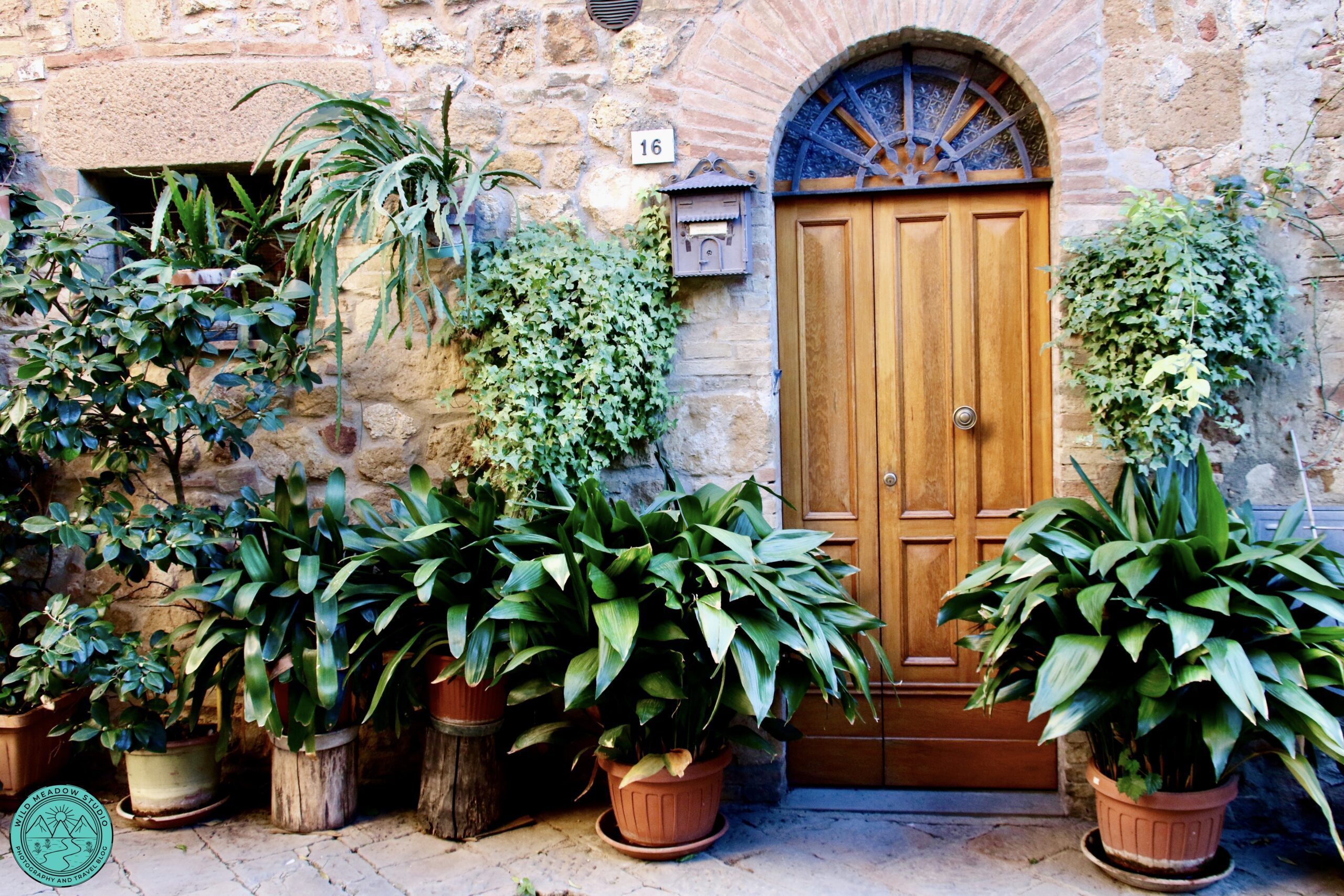
Tuscan Village
6. The Wrap Up:
Tuscany is one of those destinations where it’s tempting to try to see everything—and there is certainly plenty to see. But what makes the region so special is that you don’t have to rush.
From the artistic treasures of Florence and the medieval streets of Siena and San Gimignano to the quiet beauty of the Val d’Orcia and the vineyard-covered hills of Chianti, each place offers something a little different. Some destinations are filled with famous sights, while others invite you to slow down, wander and simply enjoy the scenery.
For us, that’s what makes Tuscany so memorable. It’s not just the beautiful towns or the famous landmarks—it’s the winding roads between them, the little piazzas, the views that make you stop for a photograph, and those unexpected moments when you find yourself wanting to stay just a little longer.
So, take your time, leave room to wander, and let Tuscany unfold at its own pace.
Planning a trip to this destination?
We offer a personalized travel planning service to help you build a relaxed, memorable trip that’s uniquely yours. Contact us today to make your appointment and let’s plan something special. Your initial planning session is complimentary, in hopes that when you start to book your trip, accommodations, car rentals, trains, tours, or activities you would consider using our recommended affiliate links, as we would then get a small commission that would help support our business, at no additional cost to you.
Our relaxed, early morning travel style is something we love, so much so, we wrote a blog and 2 free downloadable travel guides on it, “Your Daily Slow Travel Planner + Bonus Relaxed Morning Blueprint” request your free copies at the top of the page or through one of our pop ups.
Plan Better. Travel Deeper. Capture More.
Thank you,
Beth
Beth de Verteuil
Wild Meadow Studio
Travel Guides & Photography
Plan. Travel. Capture.