
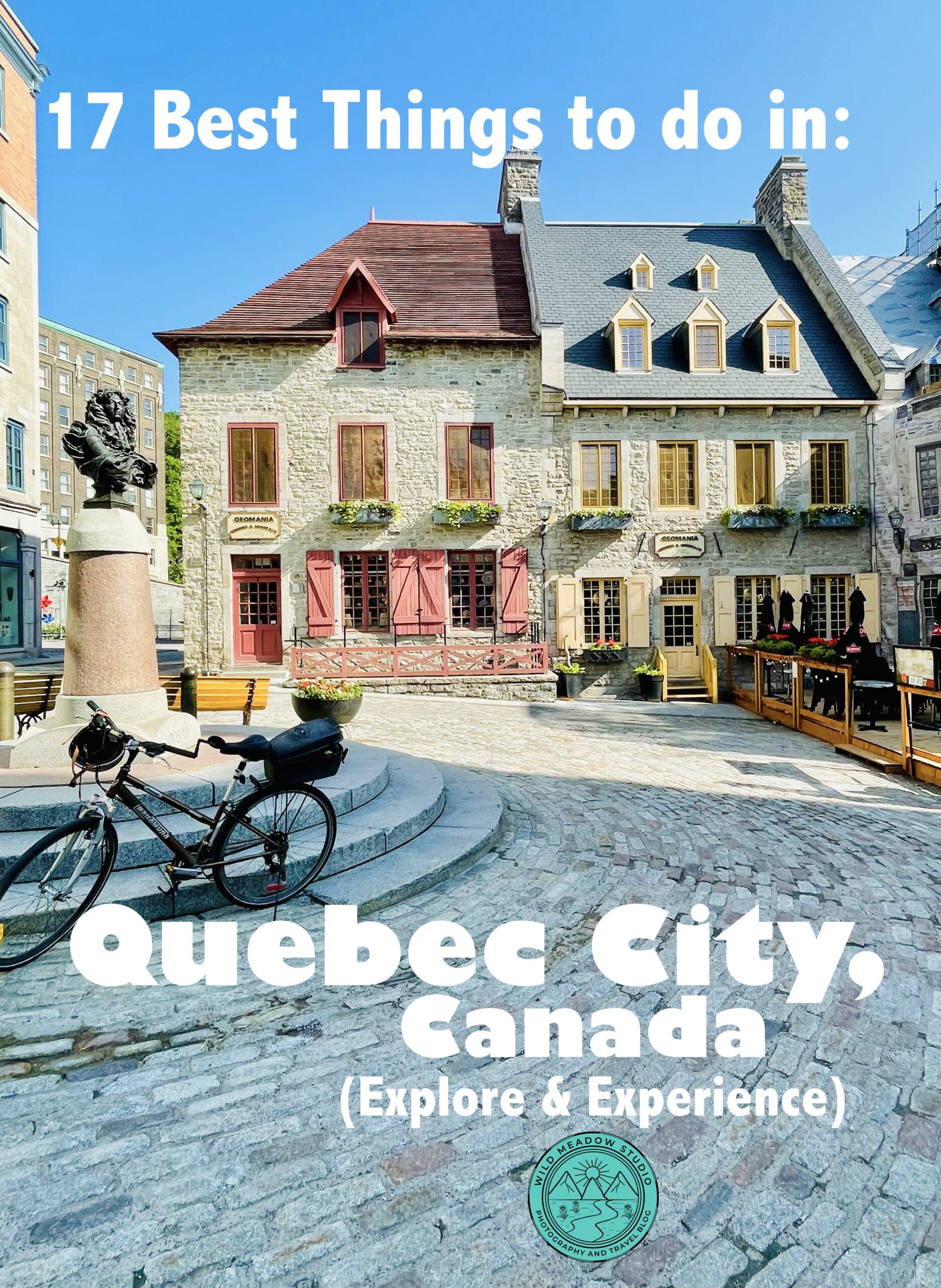
Our relaxed, early morning travel style is something we love, so much so, we wrote a blog and 2 free downloadable travel guides on it, “Your Daily Slow Travel Planner + Bonus Slow Morning Blueprint” request your free copies at the top of the page or through one of our pop ups.
For more on this historic and vibrant city checkout our additional posts: “Weekend Getaway to Quebec City, Canada (Including Detailed Itinerary & Walking Tour)” & “Your Travel Guide to Quebec City, Canada (Where to Stay, Eat & Essential Tips)”.
For accommodations, car rentals, activities, or tours, we use Expedia, Get Your Guide and Viator.
Disclosure: Some of the links in this post are affiliate links. This means that if you choose to make a booking or purchase through one of these links, we may earn a small commission at no additional cost to you. I only recommend places, experiences, and products that we have personally used or genuinely believe add value to a trip.
Table of Contents:
- Introduction
- Quebec City’s Historical Rundown
- 17 Best Things to do in Quebec City, Canada
- A Few More Interesting Places to Explore
- References
- The Wrap-Up

Photo op from Rue du Cul-de-Sac
1. Introduction:
There’s something about Quebec City that feels quietly transportive—like stepping into a slice of Europe without ever leaving North America. With its layered rooftops, historic architecture, and views over the St. Lawrence River, the city blends old-world charm with a distinctly Canadian rhythm. Whether you’re visiting for the first time or returning to wander a little deeper, this guide to the 17 best things to do in Quebec City is designed to help you slow down, explore thoughtfully, and experience the places that make this city so unforgettable.
Make sure you start out early at least one morning during your visit, as the streets are quieter, the light is softer, and the city feels more like a lived-in story than a destination. With its cobblestone streets, fortified walls, and unmistakable European charm, it invites you to slow your pace and notice the details—stone textures, shuttered windows, and river views. This time of morning is perfect for photos, a quiet coffee, and soaking it all in.
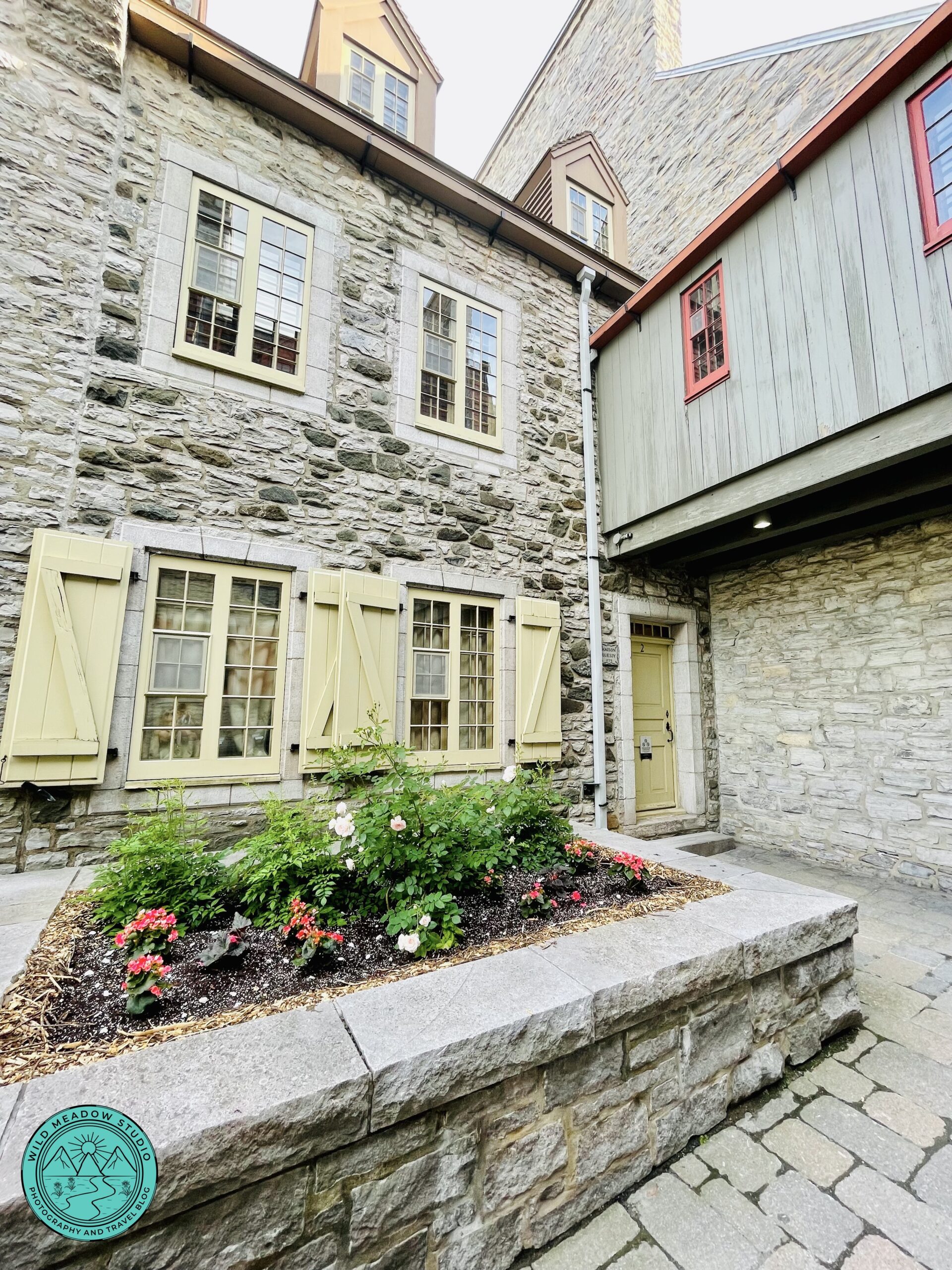
Hidden Alley in Lower Town
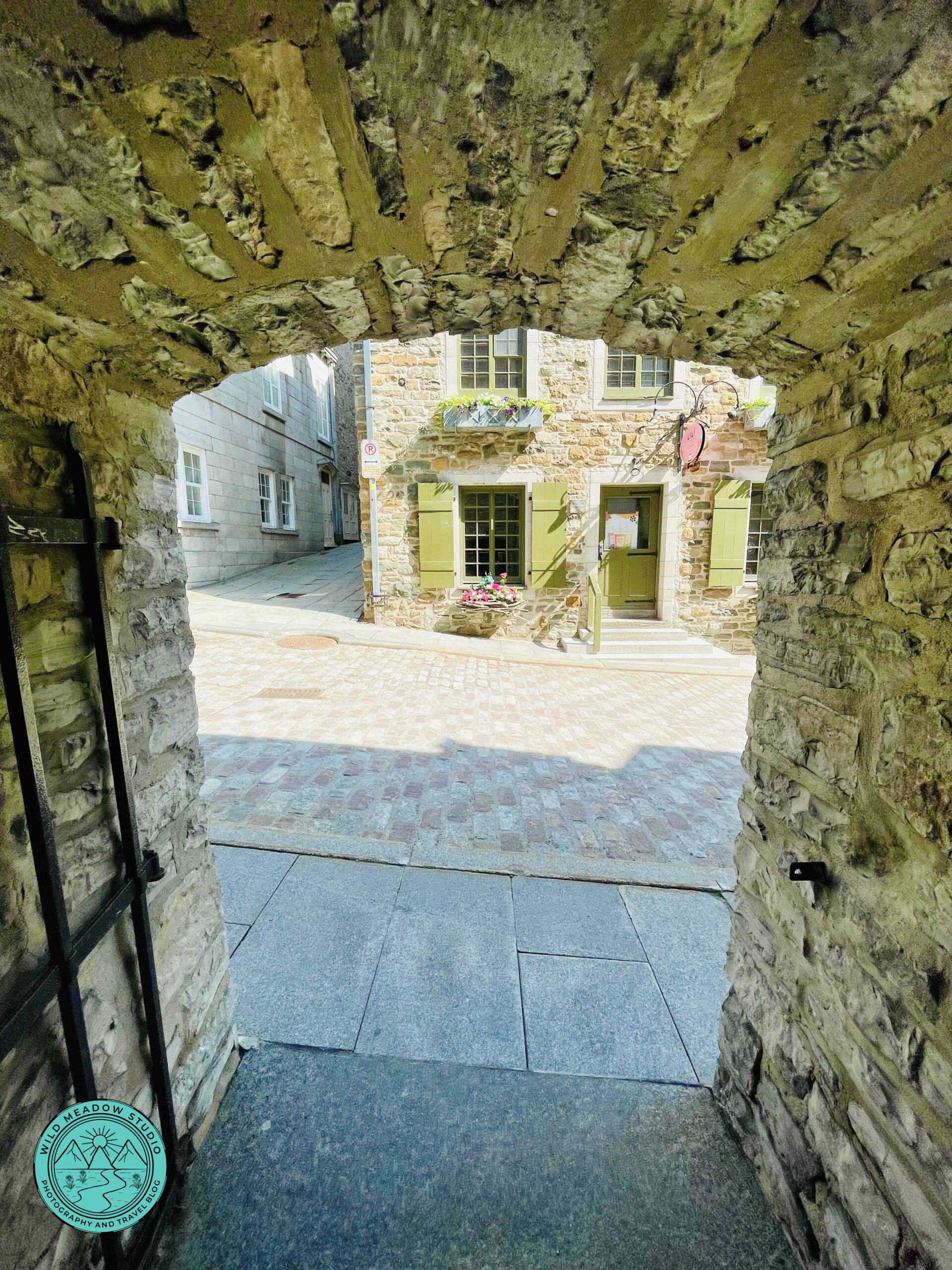
Hidden Pass through in Lower Town
2. Quebec City’s Historical Rundown:
Founded in 1608 by Samuel de Champlain, Quebec City is one of the oldest European settlements in North America. Its position along the St. Lawrence River made it a key hub for trade and defense. The city changed hands between the French and British, most notably after the Battle of the Plains of Abraham in 1759, shaping the culture you see today—a blend of French heritage and British influence.
Its Old Town remains a UNESCO World Heritage Site, and walking through it feels like stepping into a preserved moment in time.
- 1608 – Founded by Samuel de Champlain, establishing one of the earliest permanent French settlements in North America.
- 1759 – Battle of the Plains of Abraham, where the British defeated the French, changing control of the city.
- 1763 – Quebec officially becomes part of British North America after the Treaty of Paris
- 1820–1831 – Construction of the Citadelle of Quebec under British rule to strengthen city defenses.
- 1877–1886 – Building of the Parliament of Quebec, reflecting the city’s growing political importance.
- 1985 – Old Quebec is designated a UNESCO World Heritage Site for its preserved fortified historic district.
- 2026 – With over 4 million visitor each year, Quebec City has become one of Canada’s most popular destinations.
3. The 17 Best Things to Do in Quebec City, Canada:
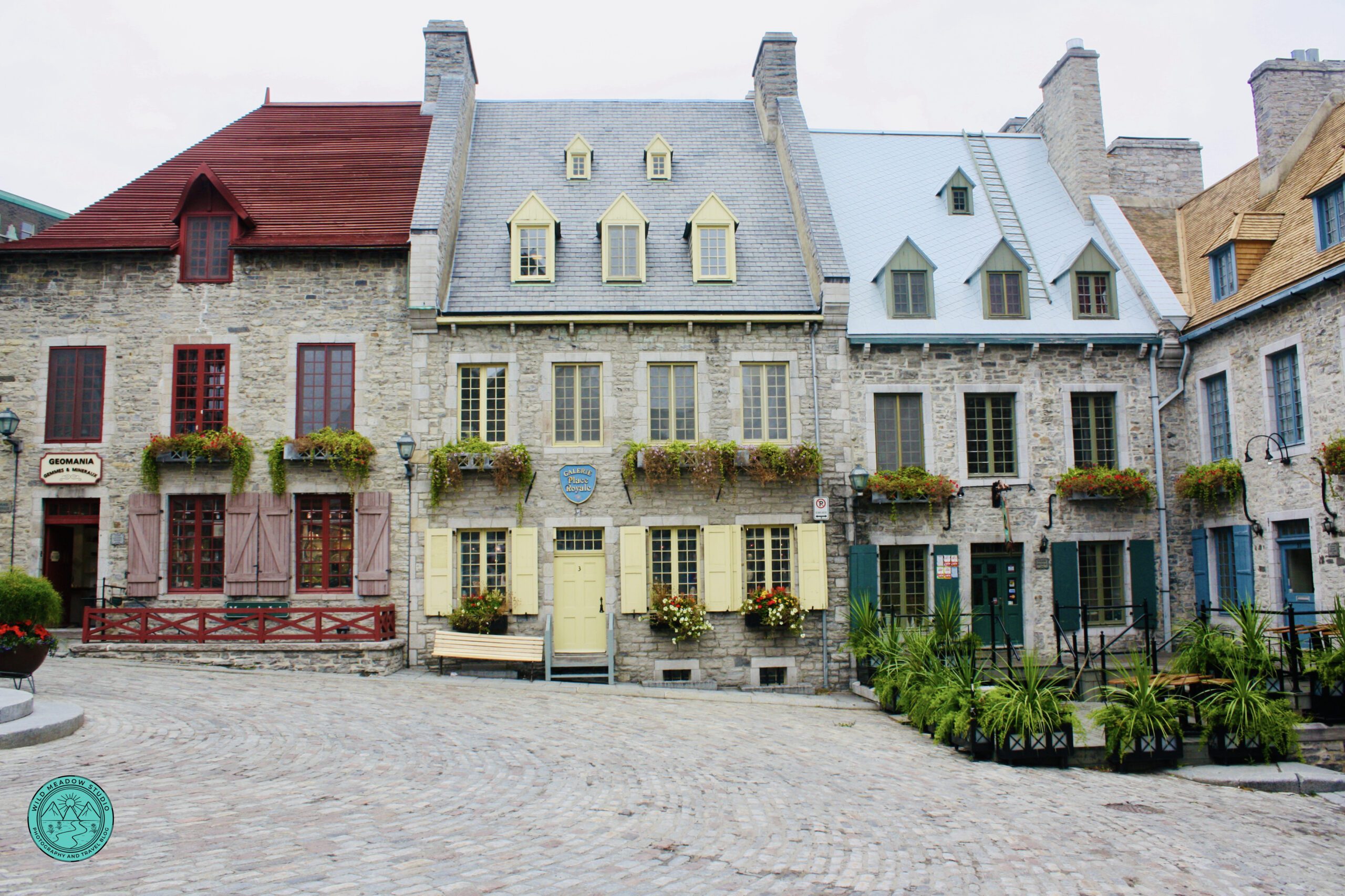
Place-Royale
1. Place Royale-
Place Royale is the birthplace of French North America, where Samuel de Champlain established the first permanent settlement in 1608. Once a bustling hub for trade and daily life along the St. Lawrence River, the square quickly became the heart of early colonial activity. Surrounded by carefully restored stone buildings and anchored by the historic Notre-Dame-des-Victoires Church, Place Royale stands today as a symbol of Quebec City’s origins—offering a glimpse into the lives of its earliest settlers and the foundations of French culture in Canada.
Arrive here early for the best photos and atmosphere.

Notre-Dame-des-Victoires Church
2. Notre-Dame Basilica-
Notre-Dame-des-Victoires Church is one of the oldest stone churches in North America, built on the very site of Samuel de Champlain’s original settlement. Completed in the late 17th century and named to commemorate key French victories, the church reflects the resilience and faith of the city’s earliest inhabitants. Its modest size and simple exterior contrast with its deep historical significance, making it a quiet but powerful reminder of Quebec City’s colonial beginnings. You can visit the church, but as of now their website says that they are only open on Sundays from 10:00am to 4:00pm and there is a mass at 11:00am.

Fresque des Québécois
3. Fresque des Québécois –
Located at 29 Rue Notre-Dame, just down the street from Place Royale, this giant mural on the side of a 5-story building depicts the story of Quebec City. If you look closely at the building windows and painted balconies, you’ll see about 15 historic figures and 12 or so famous Quebec writers and artists. It is very impressive, definitely worth the look. If you walk up Cote de la Montagne, on the other side of the building, you get some different views and perspectives of it, some of the people in the mural almost look real.
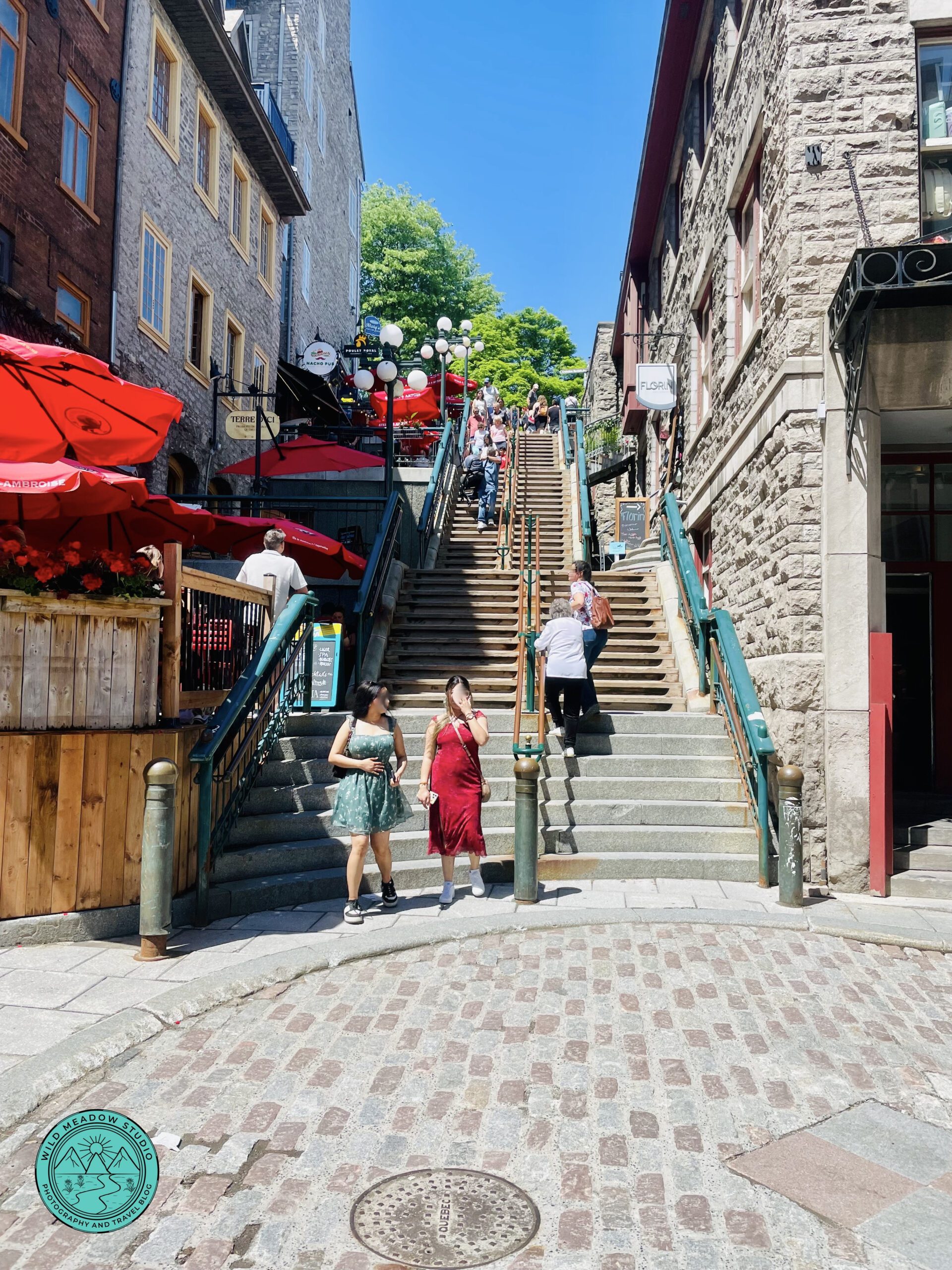
Breakneck Stairs
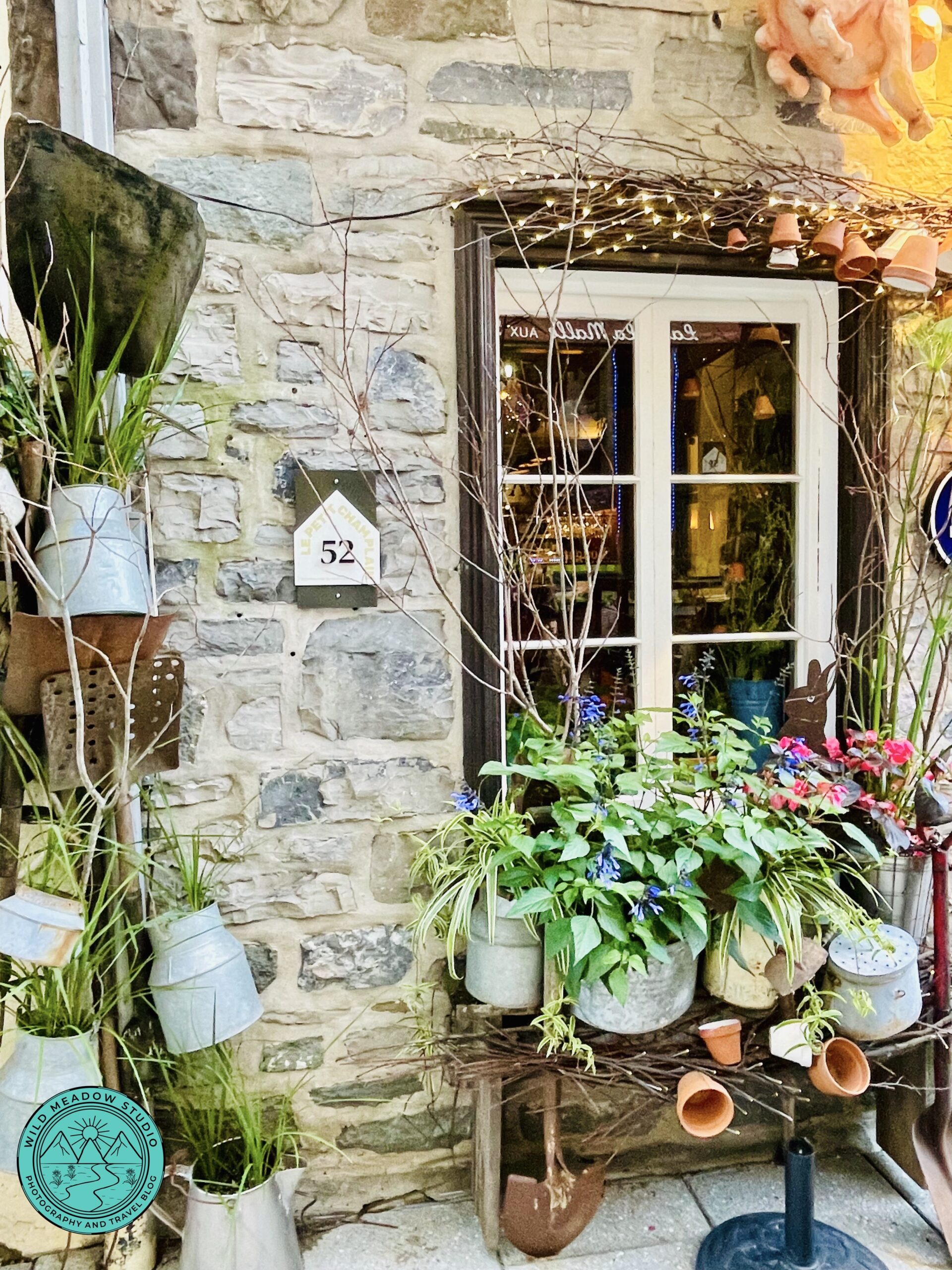
Along Rue du Petit-Champlain
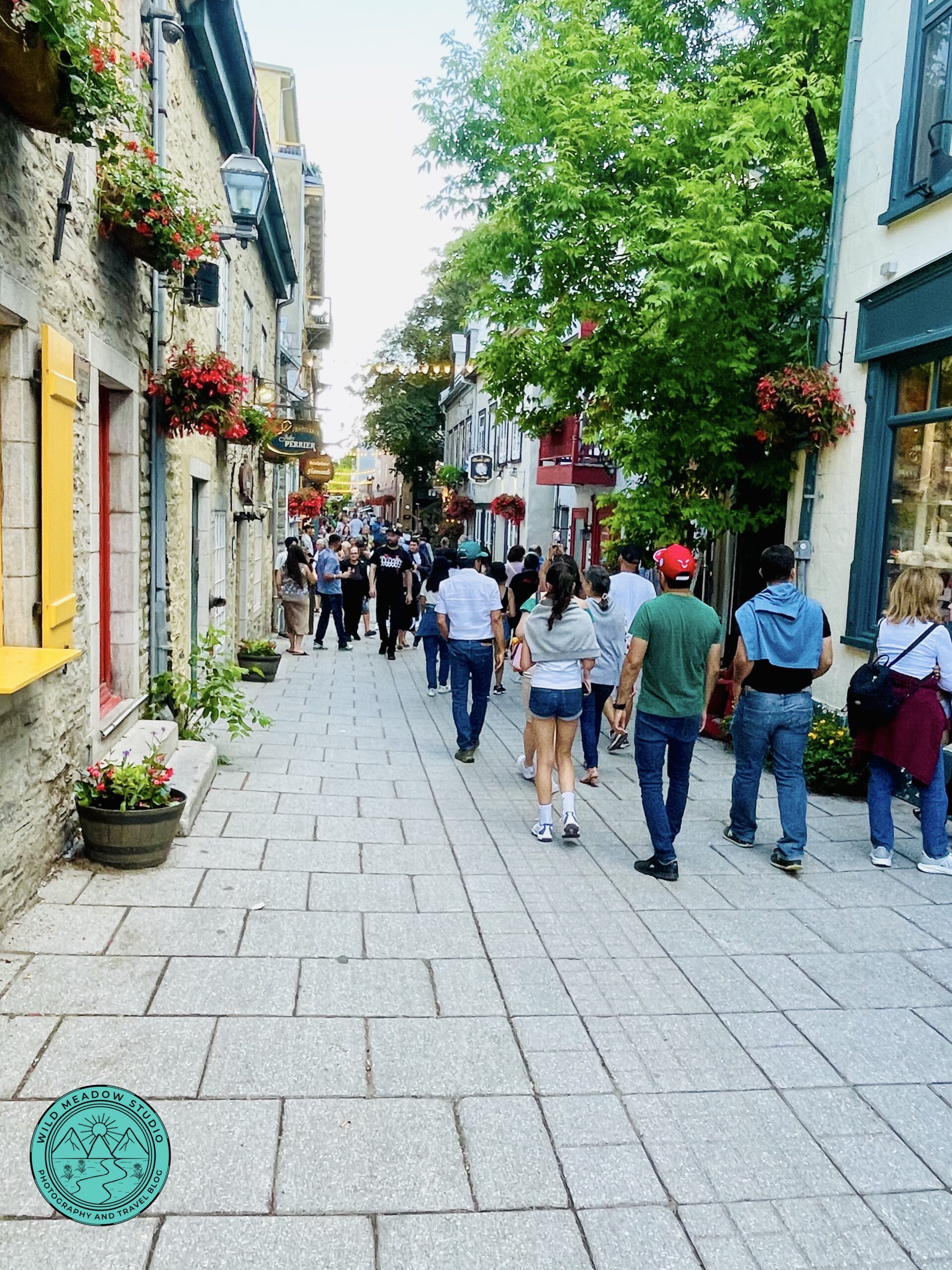
An Evening Walk Along Rue du Petit-Champlain
4. Petit-Champlain-
Rue du Petit-Champlain is often considered one of the most picturesque streets in North America, winding gently through the heart of the Lower Town. Lined with centuries-old buildings, boutique shops, and cozy cafés, it has evolved from a practical trade route into a vibrant pedestrian street full of character. At one end, the iconic Breakneck Stairs—one of the oldest staircases in the city—connects Lower Town to Upper Town above, adding both history and a dramatic vertical element to the scene. Together they offer a perfect blend of everyday charm and postcard-worthy moments. This street becomes quite lively in the evening, making it a great spot for dinner, but taking an early morning stroll here is great for photos.
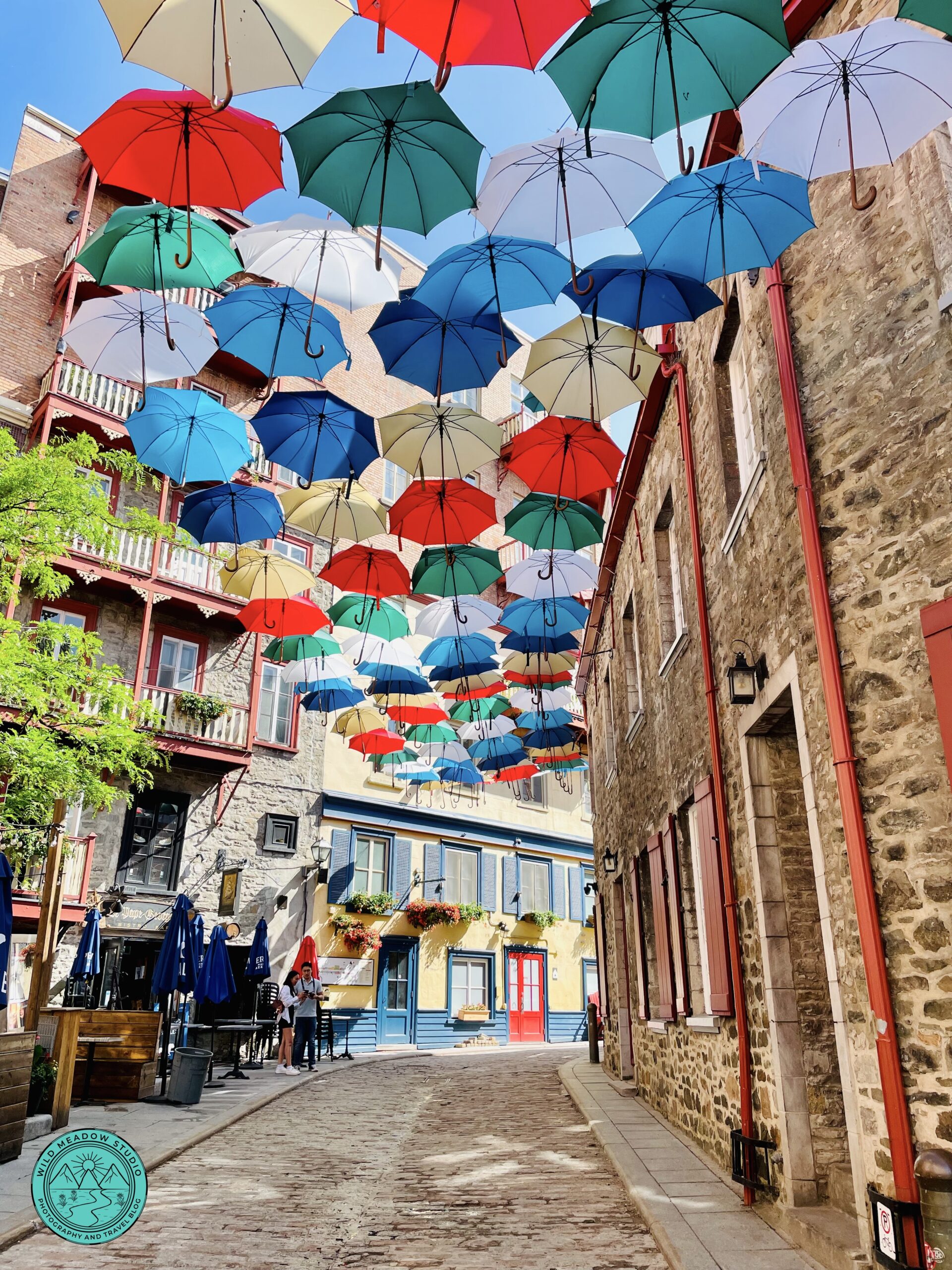
Rue du Cul-de-Sac
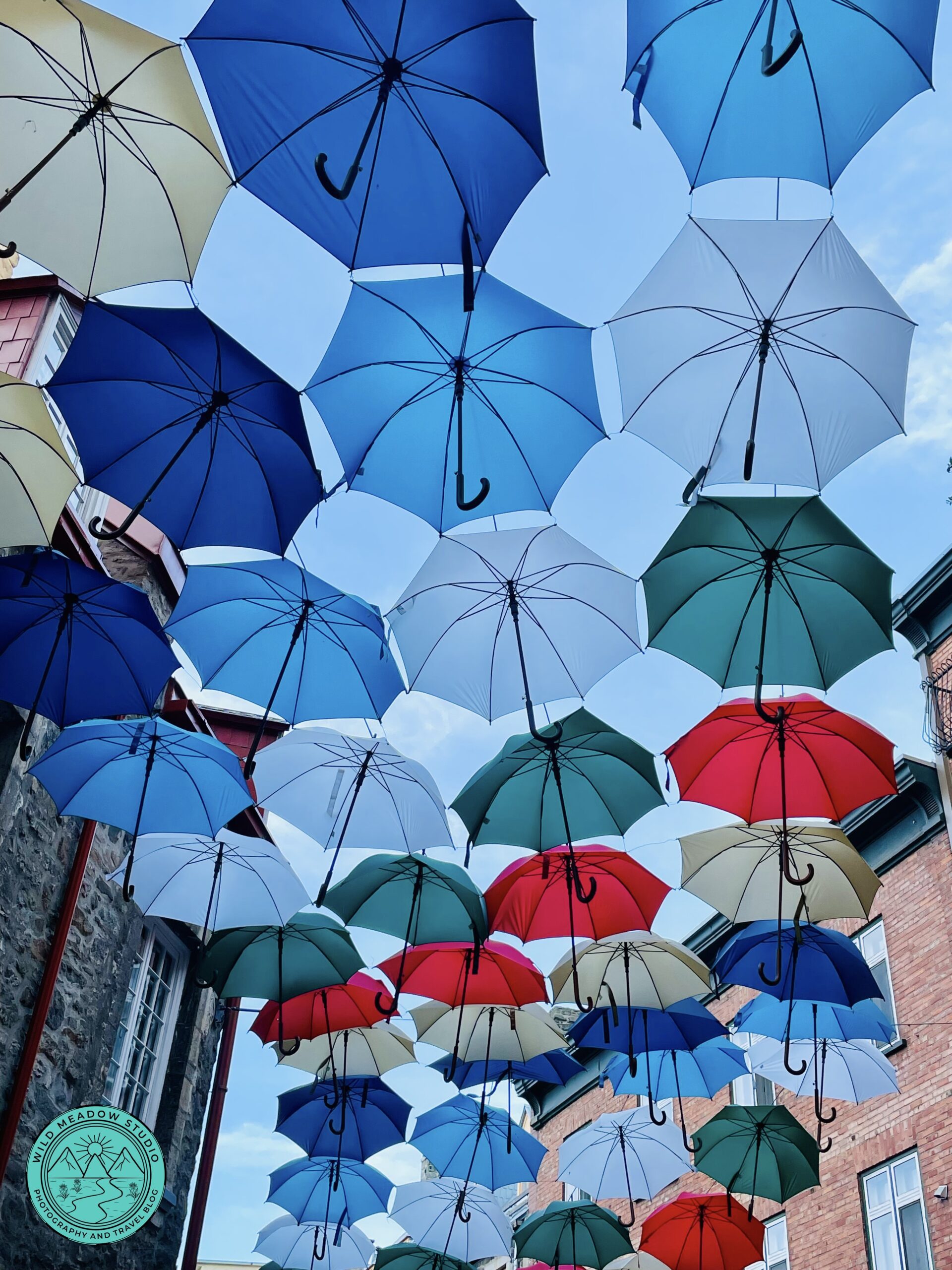
Umbrella Alley
5. Umbrella Alley (Rue du Cul-de-Sac)-
Tucked away just off the main streets in the Lower Town area, this colorful canopy of umbrellas adds a playful contrast to the historic surroundings. In the morning, the light filtering through creates softer, more interesting shadows—ideal for photography. This short street is filled with cute cafes and restaurants. Definitely worth a visit.

Rue Sous-le-Fort
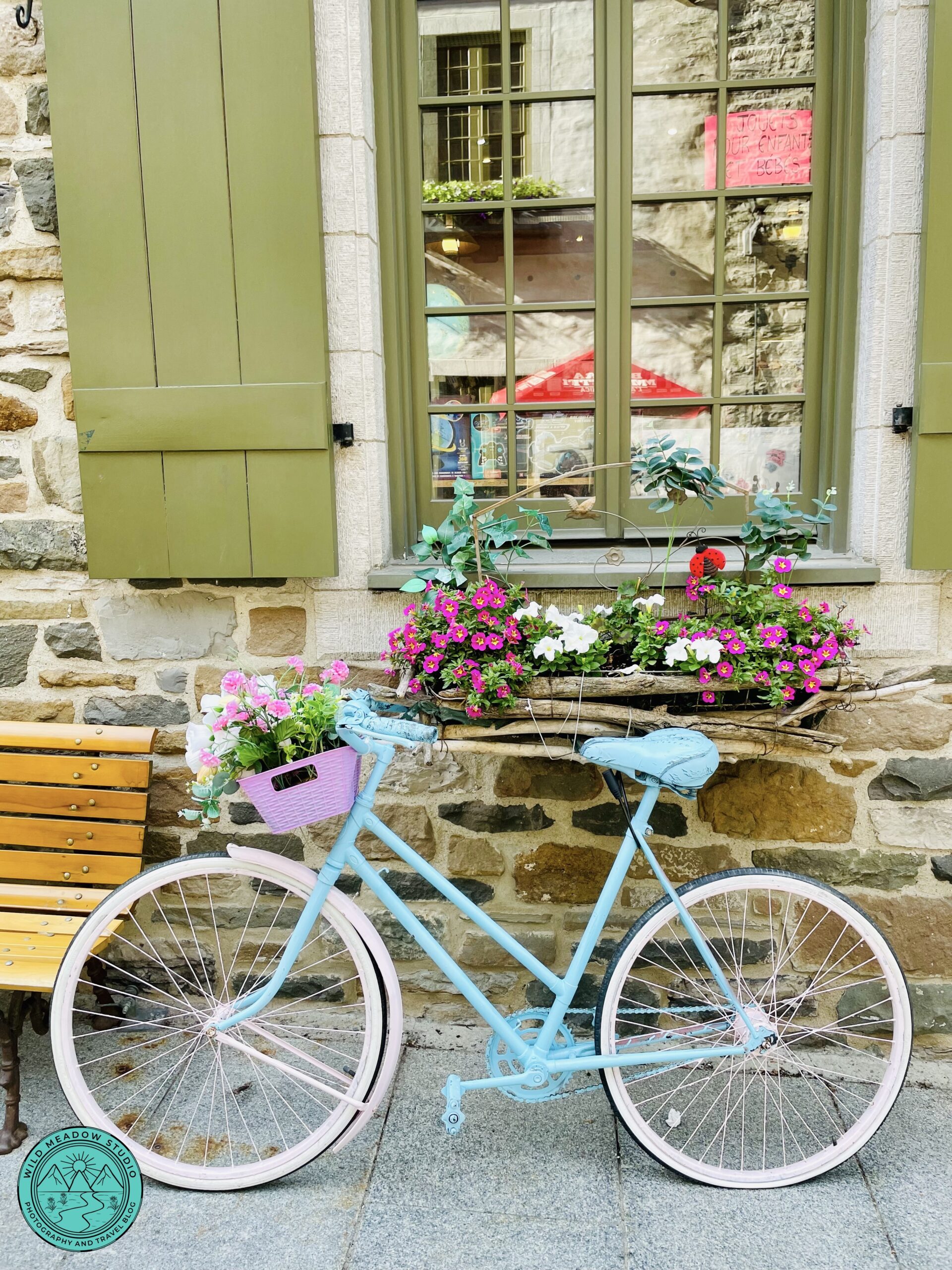
Pretty Window in Lower Town

Photo op in Lower Town
6. Lower Town –
Lower Town (Basse-Ville) is where Quebec City feels most distinctly European, with its compact layout, historic architecture, and lively, lived-in atmosphere. Set along the St. Lawrence River at the base of Cap Diamant, this area was the center of early trade and daily life in New France. Today, it’s often described as the closest thing to Europe in North America—filled with intimate squares, boutique-lined streets, and a relaxed pace that invites you to slow down and simply wander. Arriving here early will give you the best experience and photos. It is well worth setting your alarm for.
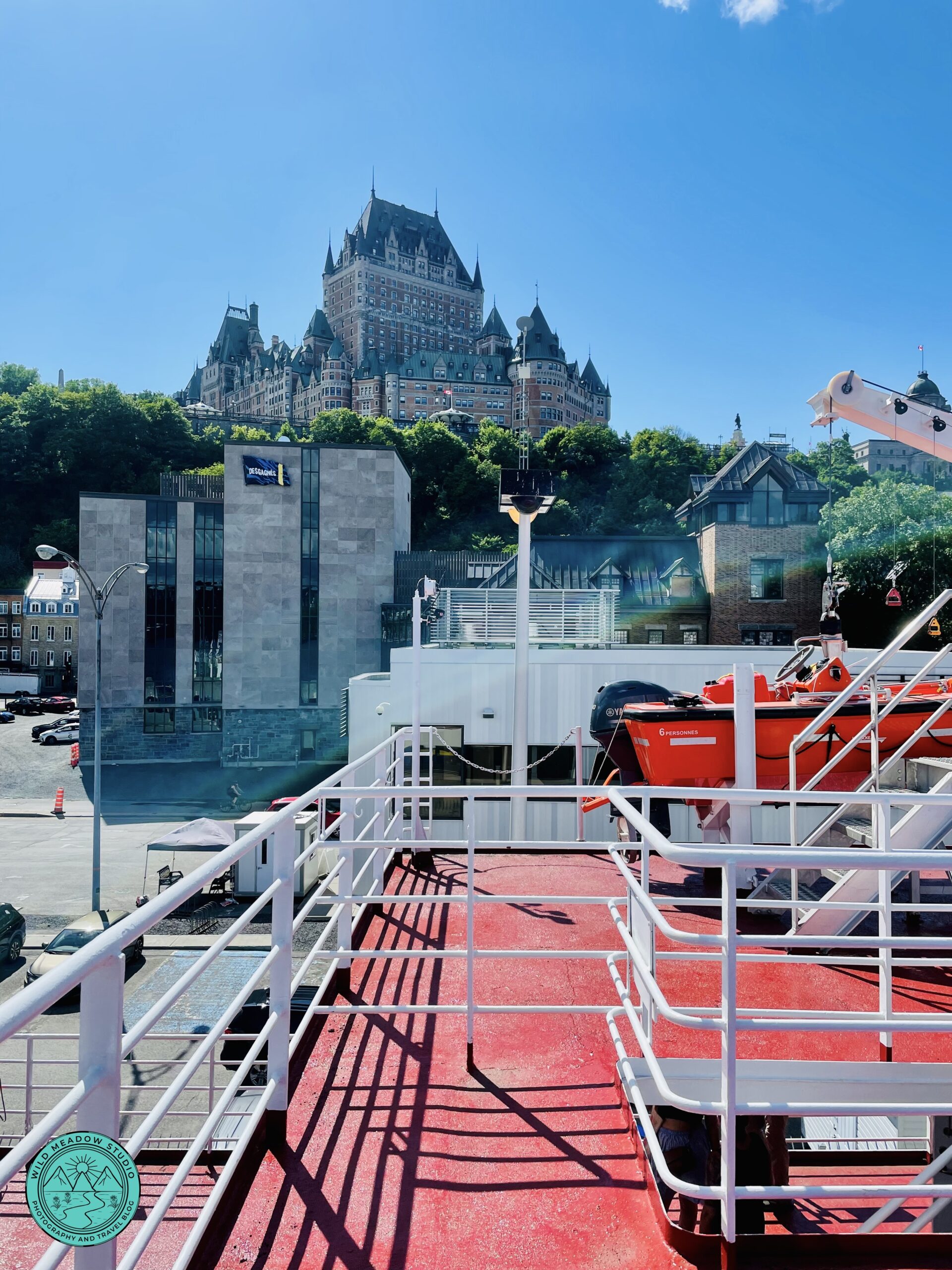
Views from the Ferry
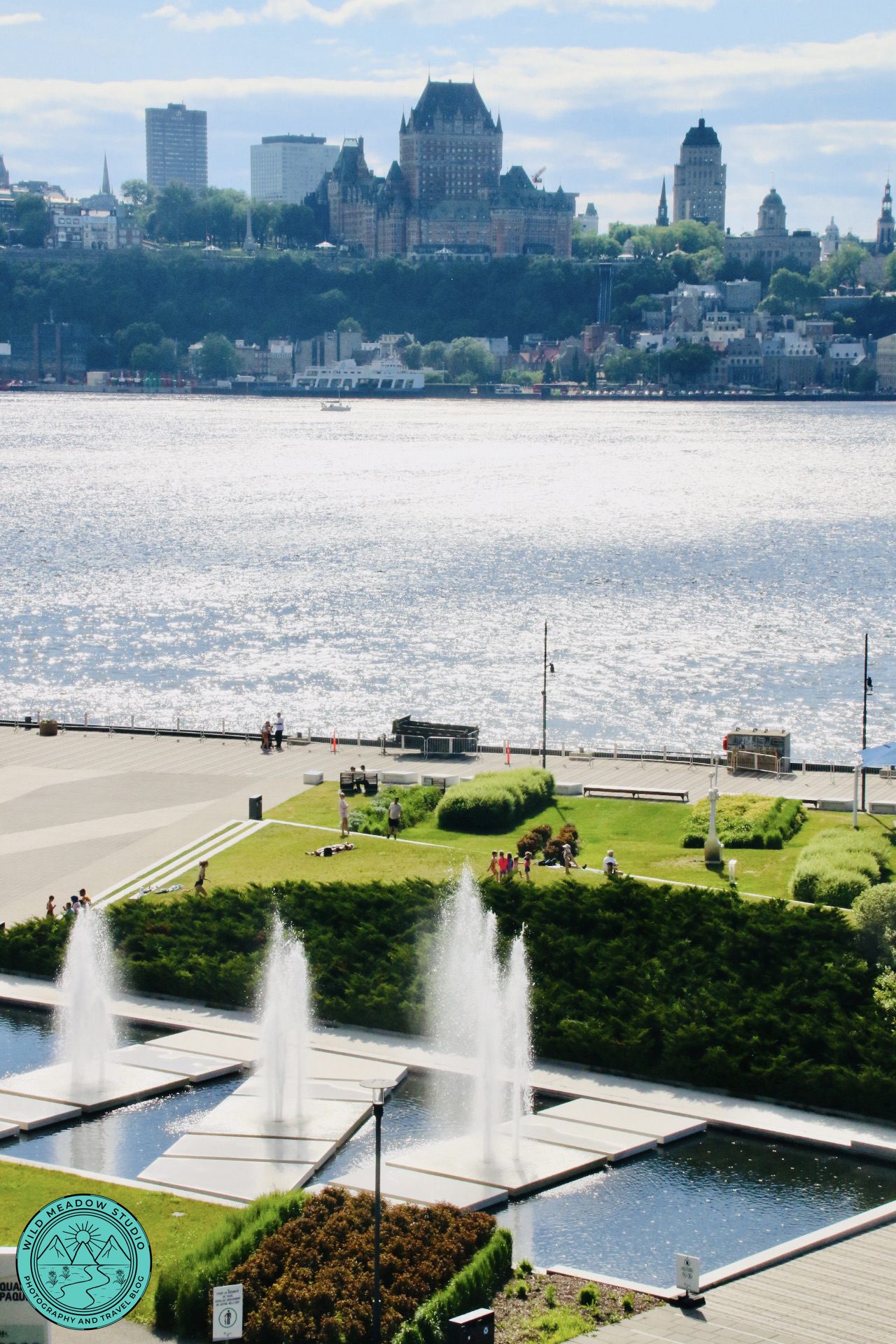
Views from Lévis
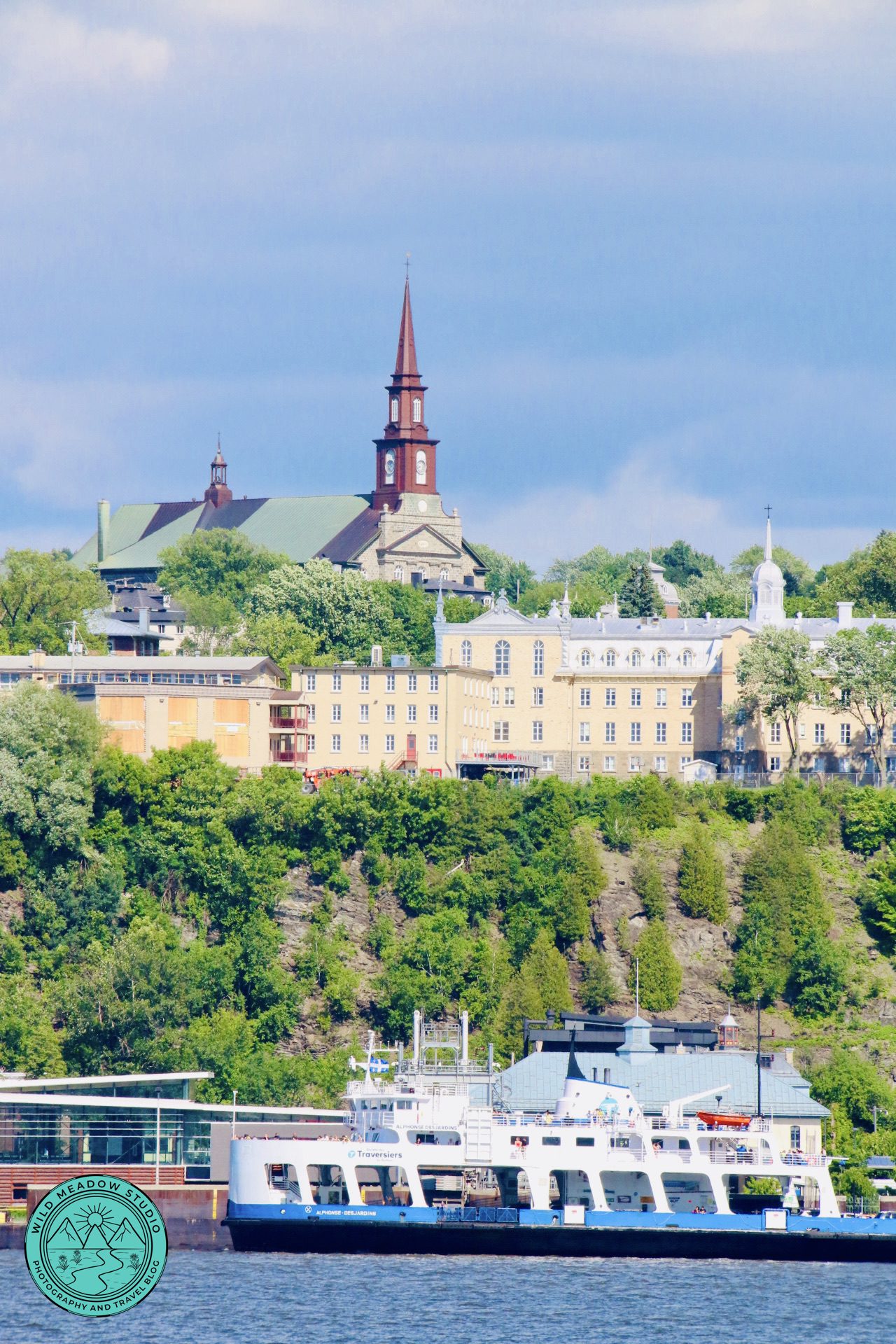
Views of Lévis
7. Take the Ferry to Lévis-
Taking the ferry across the St. Lawrence to Lévis was a definite highlight during this visit to Quebec City. The short ride offers some of the best panoramic views of the city, especially as the skyline comes into full frame with the Château Frontenac rising above the cliffs. Once you arrive, Lévis feels noticeably quieter, with a more local, residential pace. Just a short walk from the ferry terminal, you’ll also find the lively Quai Paquet, a waterfront park known for its interactive fountains in summer, open green spaces, and one of the best viewpoints back toward Old Quebec—making it a great first stop before exploring further along the riverfront. The cost for the ferry is approximately $8.00 CAD return.
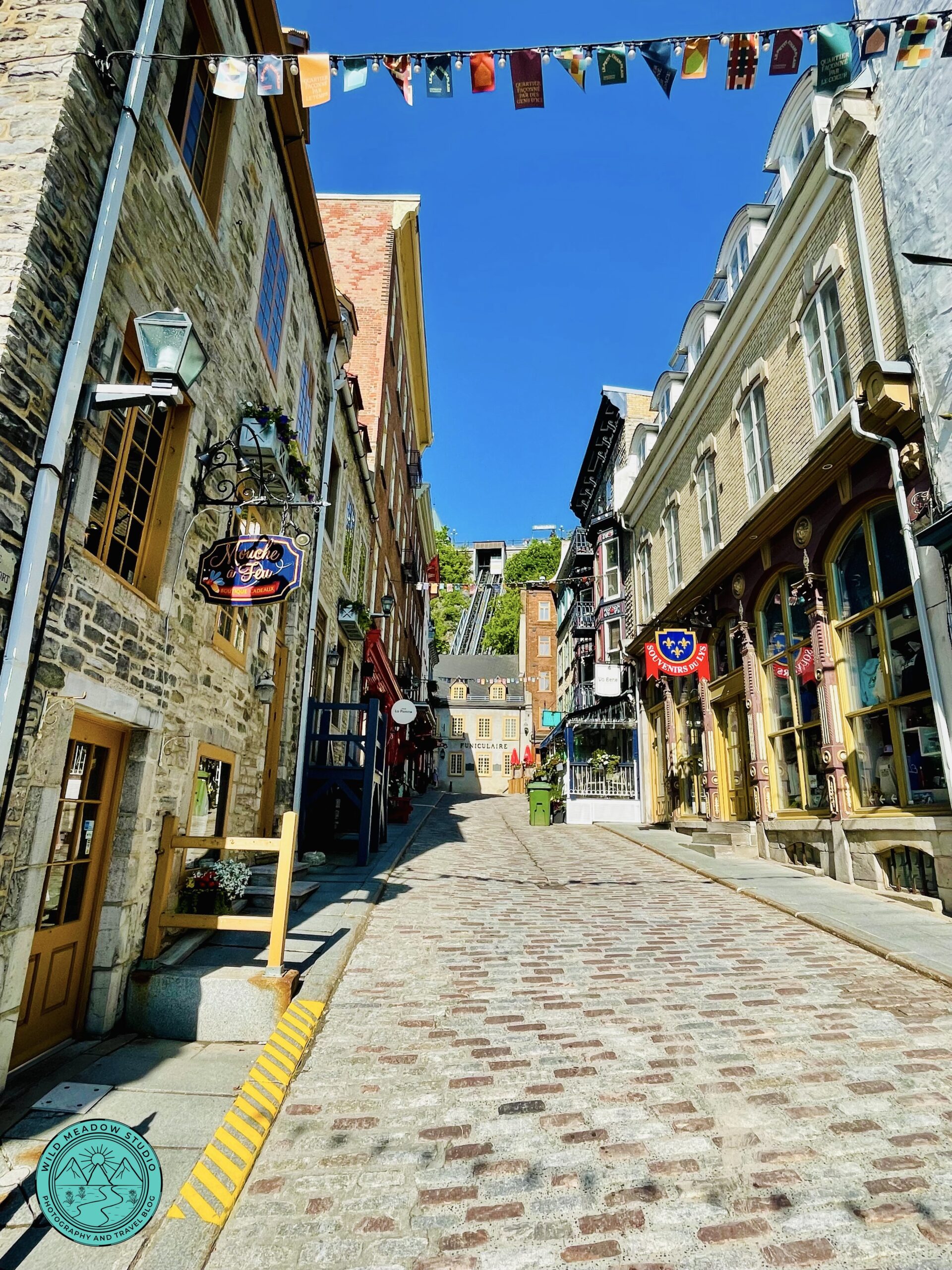
Rue Sous-le-Fort with the Funicular in the distance
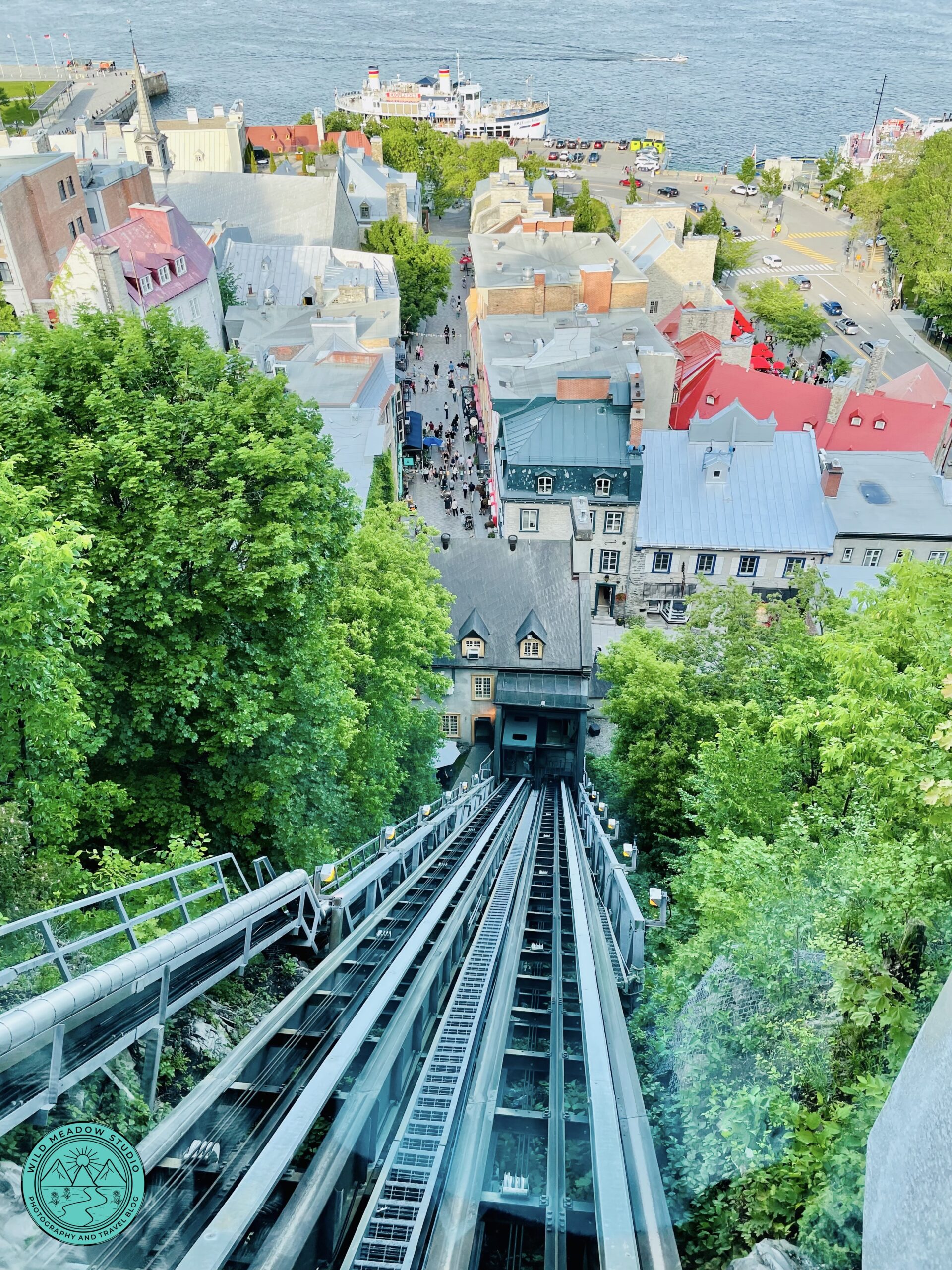
Views from the Funicular
8. The Funicular-
The Old Quebec Funicular is a short but memorable ride connecting the Upper Town near Château Frontenac with the Lower Town at Rue du Petit-Champlain. Operating daily (typically from around 7:30 a.m. to 11:00 p.m., with seasonal variations), the funicular costs about CAD $6 per person/ ride and offers a quick, scenic shortcut between the two levels of the city. It’s a convenient option, but many visitors choose a more budget-friendly approach: walking down the nearby Breakneck Stairs to experience the historic descent, then taking the funicular back up to save time and energy while still enjoying the views.
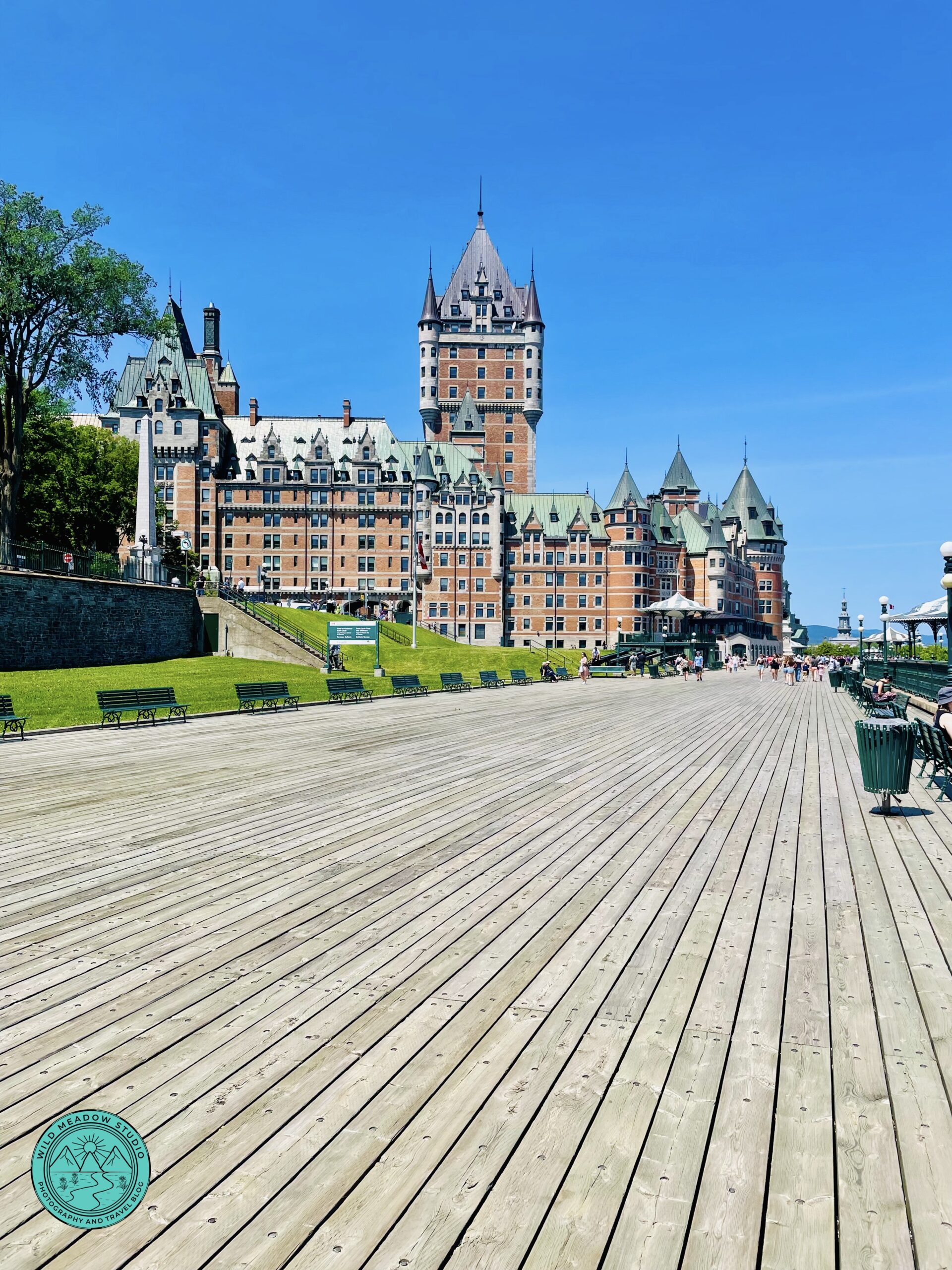
The popular Dufferin Terrace
9. Dufferin Terrace-
Terrasse Dufferin is one of the easiest places to just slow down and enjoy the view in Quebec City. Stretching out beside the Château Frontenac, this wide wooden boardwalk looks over the St. Lawrence River and the rooftops of Old Quebec, and it’s especially nice in the early morning before it gets busy. It was built in the 1800s as a public promenade, but today it’s more of a go-to spot for an unhurried walk, a quick photo stop, a spot to watch street performers, or just for sitting with an ice cream and soaking it all in.
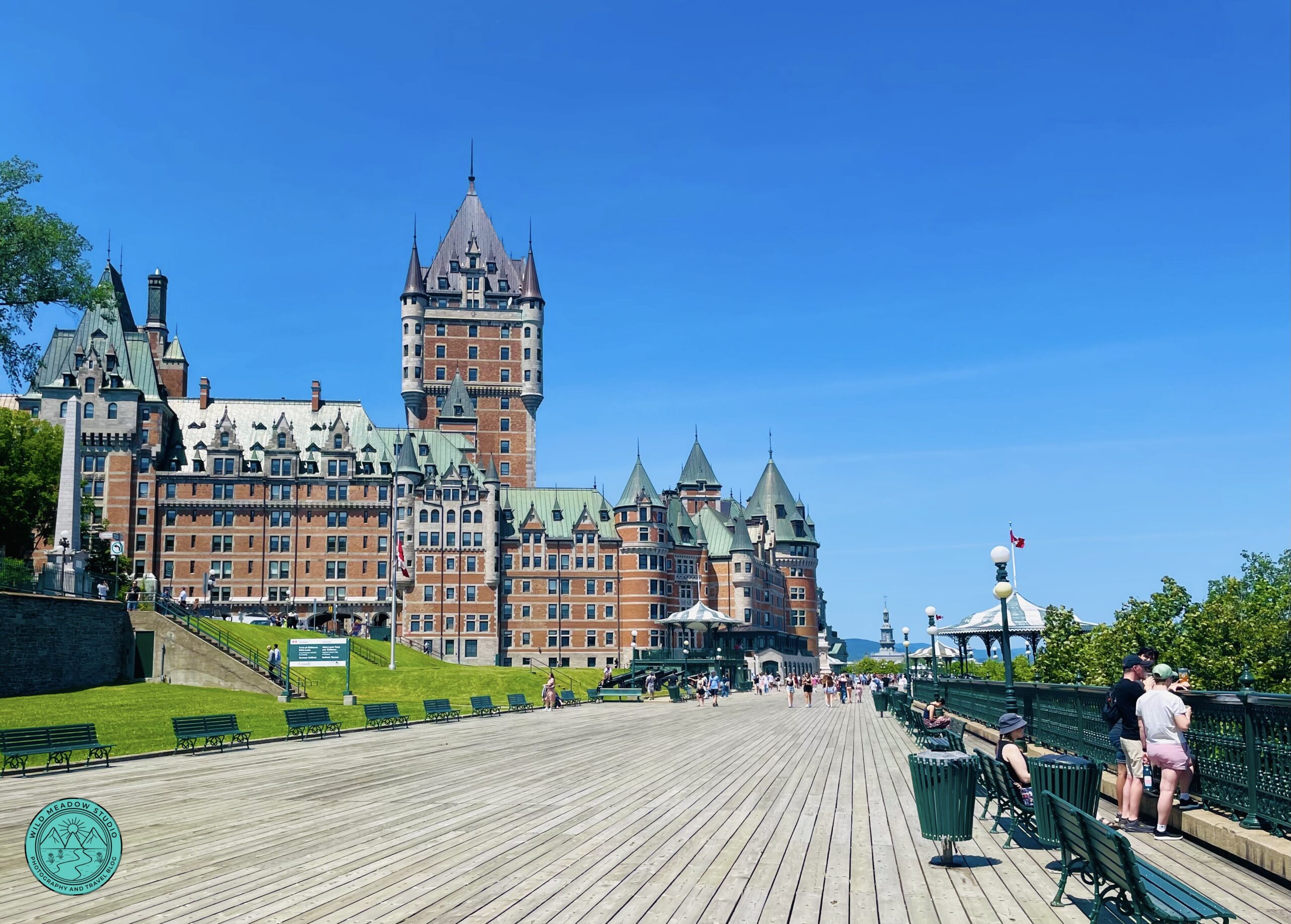
Fairmont le Château Frontenac
10. Château Frontenac-
The Château Frontenac is one of the most iconic landmarks in Quebec City and is often described as the most photographed hotel in the world. Perched dramatically above the St. Lawrence River in Old Quebec, its château-style architecture and copper rooftops make it a striking focal point from nearly any angle. Even if you’re not staying there, it’s worth visiting for the views from the Dufferin Terrace and the surrounding cobblestone streets, especially at golden hour when the light brings out its historic details. For photography enthusiasts, it’s an essential stop that captures the timeless, European feel of the city in a single frame. Take some time and wander through the inside of this grand building too. If interested, they do a nice High Tea.
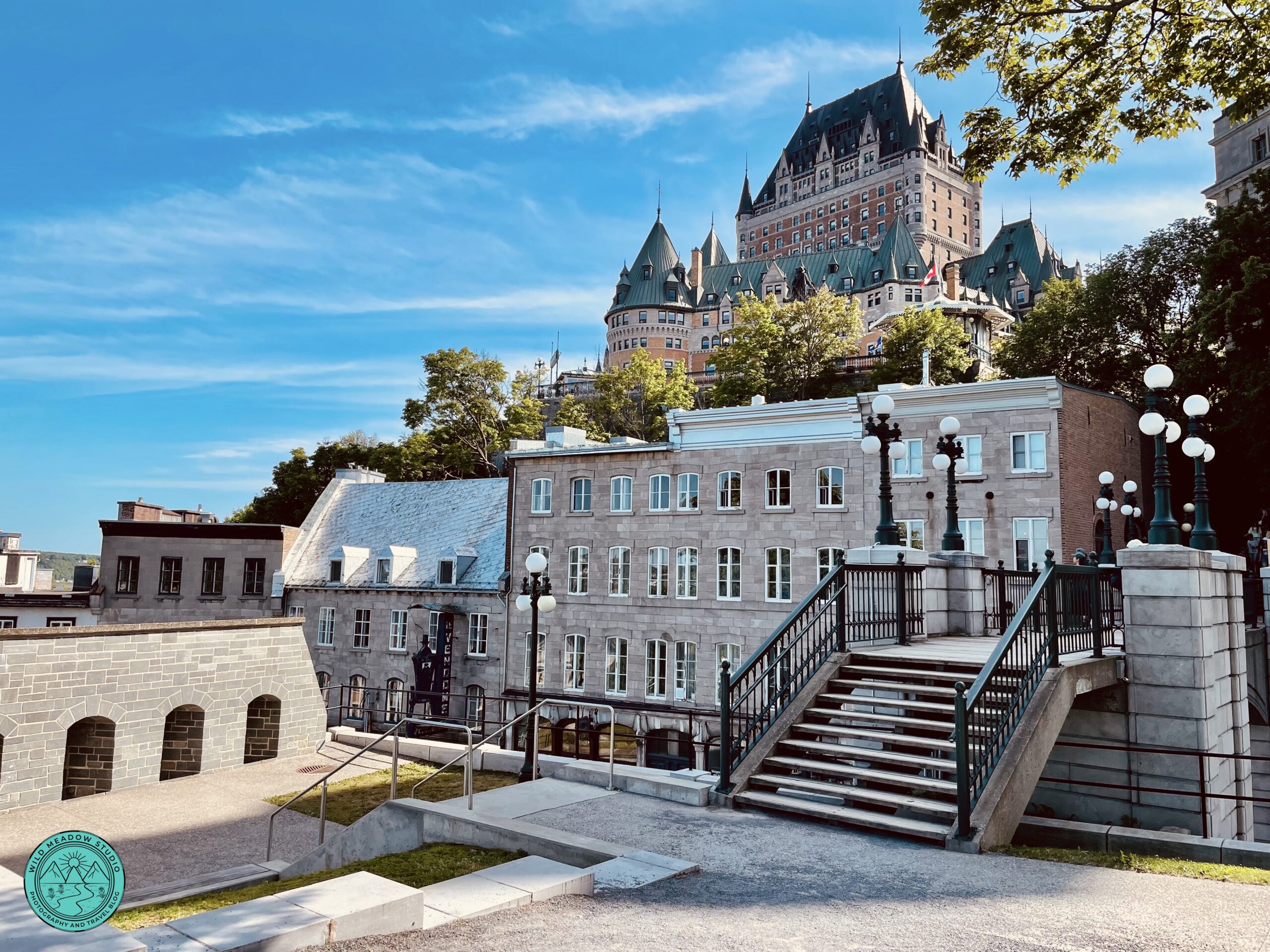
Views from Parc Montmorency

Looking towards Upper Town from Parc Montmorency
11. Parc Montmorency-
Parc Montmorency is a small but historically rich green space tucked into the heart of Old Quebec, offering sweeping views over the St. Lawrence River and the roof tops of Lower Town below. Once the site of the original Parliament of Lower Canada, it blends natural beauty with deep political history, marked by interpretive plaques that share its past significance. Today, it’s a peaceful spot for a short break between sightseeing stops, with shaded benches, open lawns, and some of the best vantage points for photography in Upper Town. It’s an easy place to pause, take in the view, and appreciate how seamlessly history and scenery come together in Old Quebec.
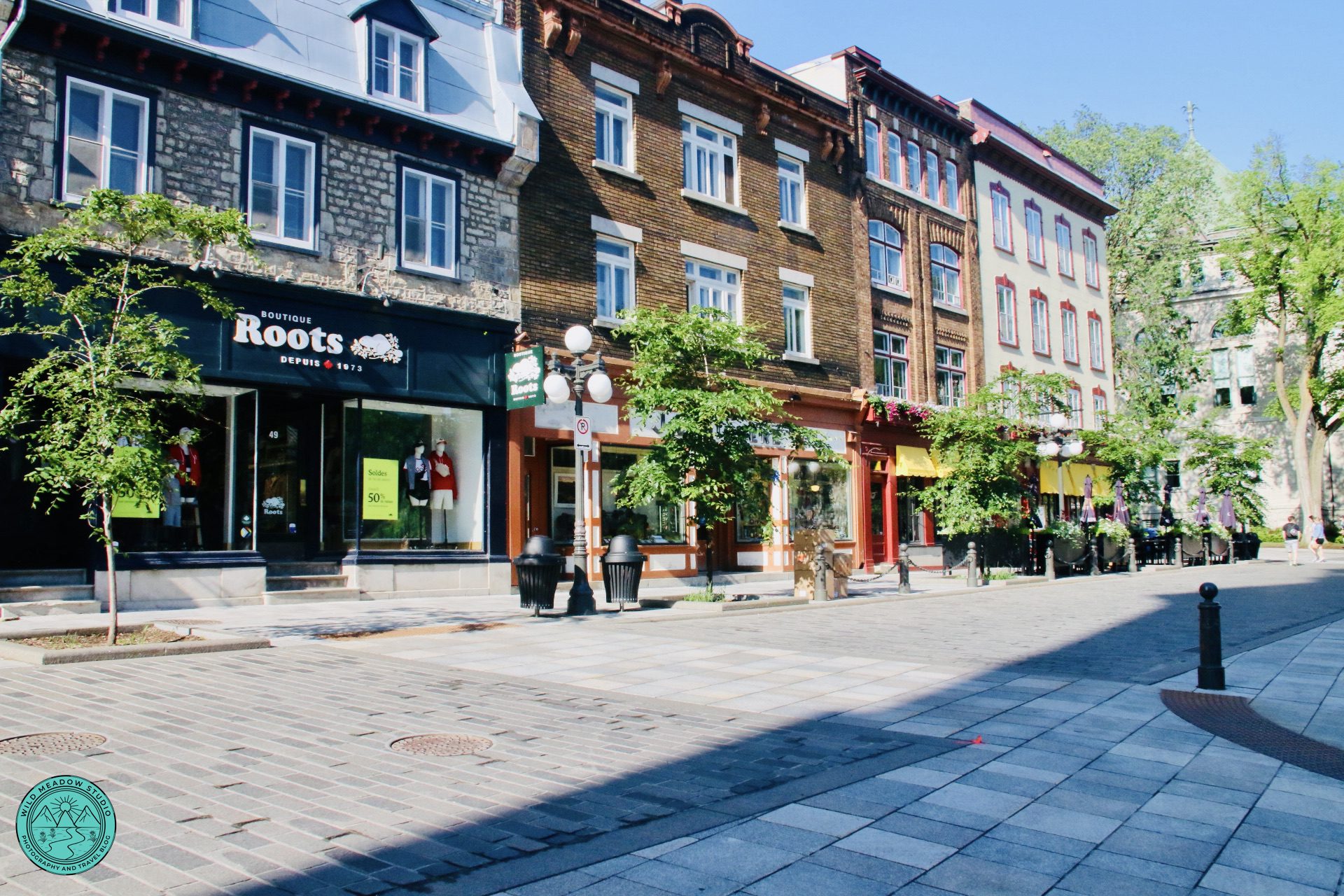
Rue de Buade in Upper Town
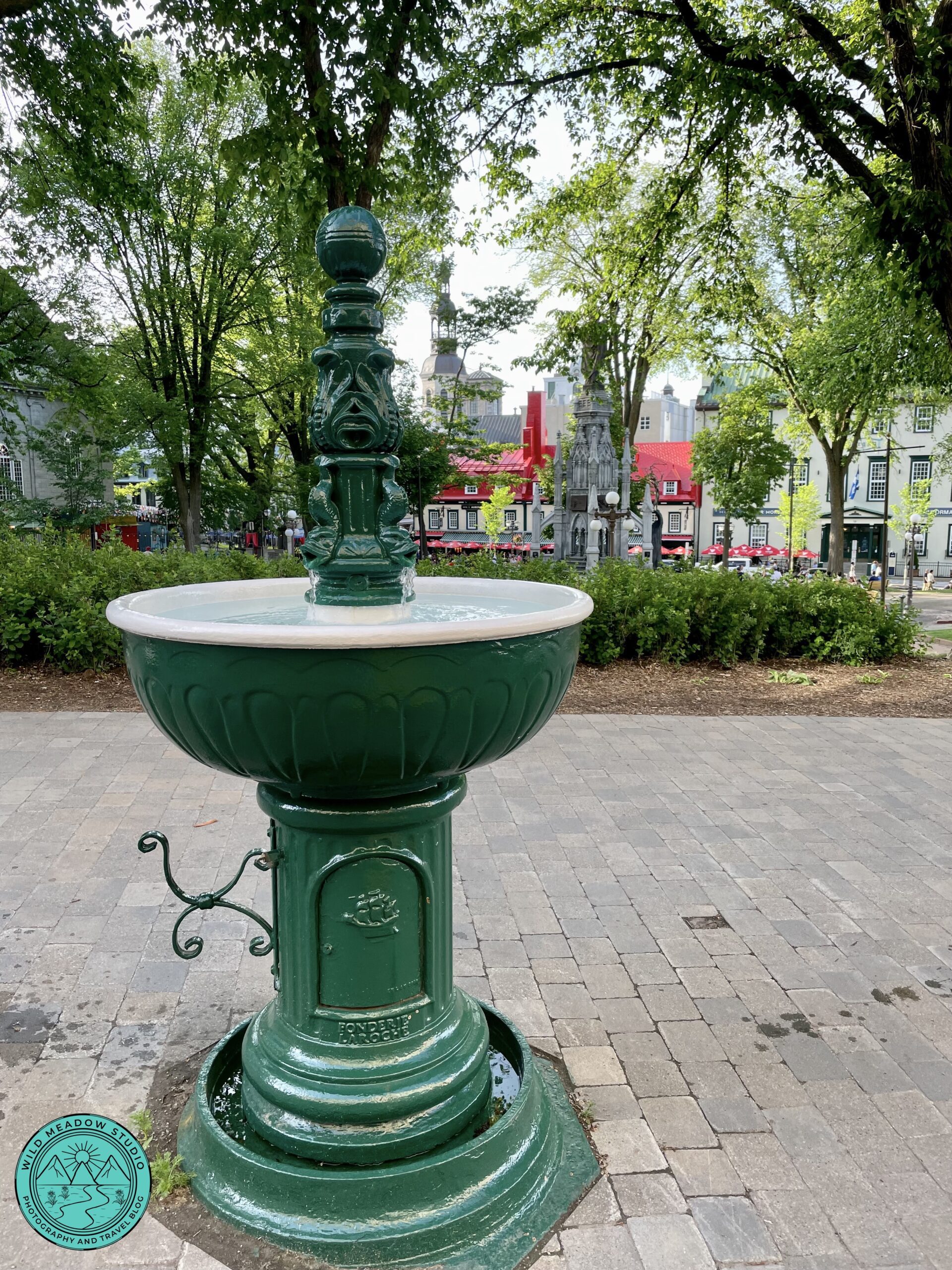
Fountain in Place d’Armes
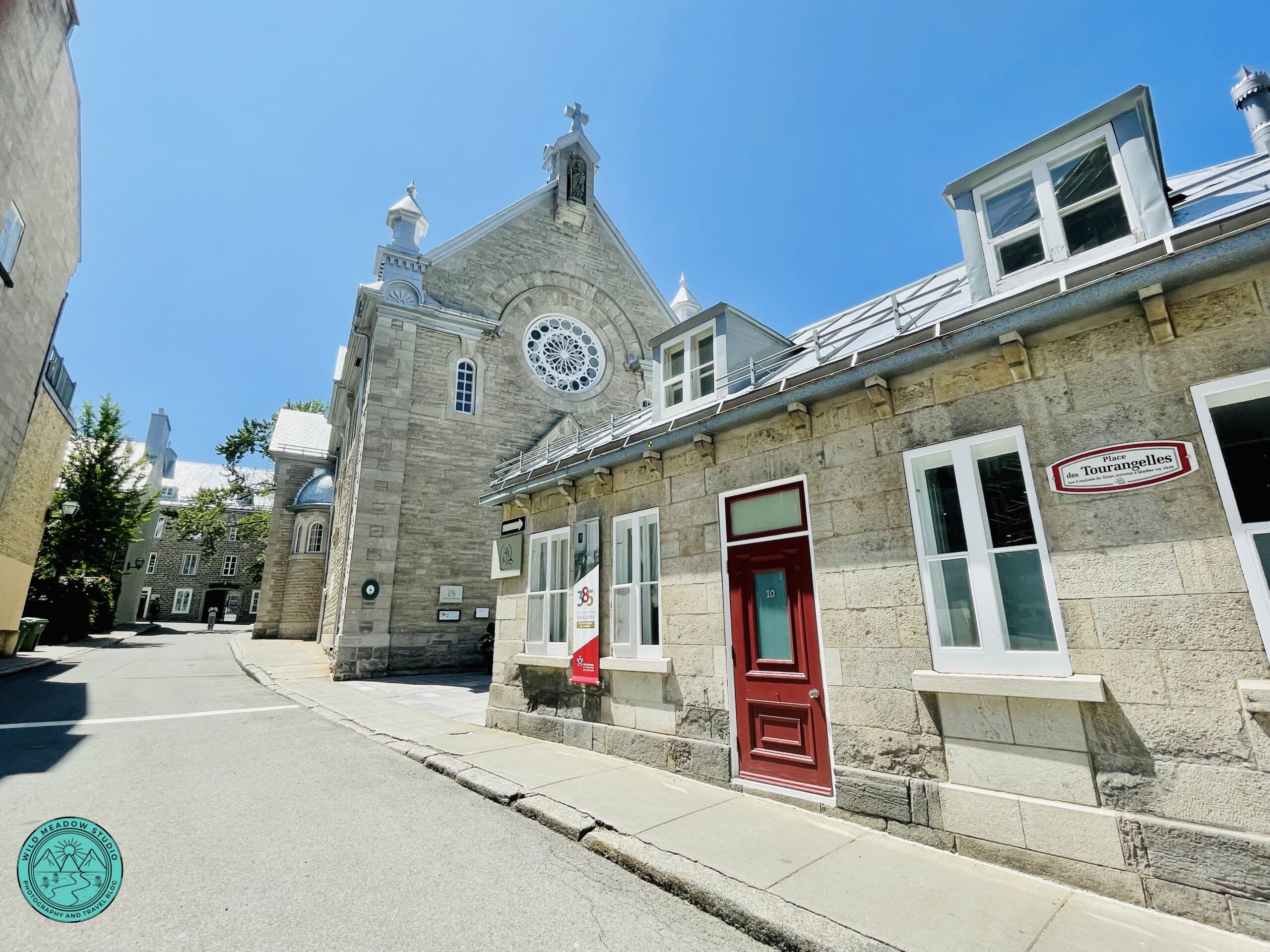
Church in Upper Town
12. Explore Upper Town –
Upper Town (Haute-Ville) is the historic heart of Old Quebec and one of the most atmospheric areas of the city, where centuries-old stone buildings, narrow streets, and fortified walls help create a distinctly European feel in North America. This elevated district is home to major landmarks like the Château Frontenac, the Citadelle, and numerous churches, as well as charming squares and viewpoints overlooking the St. Lawrence River. Walking through Upper Town feels like stepping back in time, with every corner offering postcard-worthy scenes that are especially rewarding for photography. It’s the perfect area to explore on foot, where history, architecture, and daily life blend together within this UNESCO-listed old city.
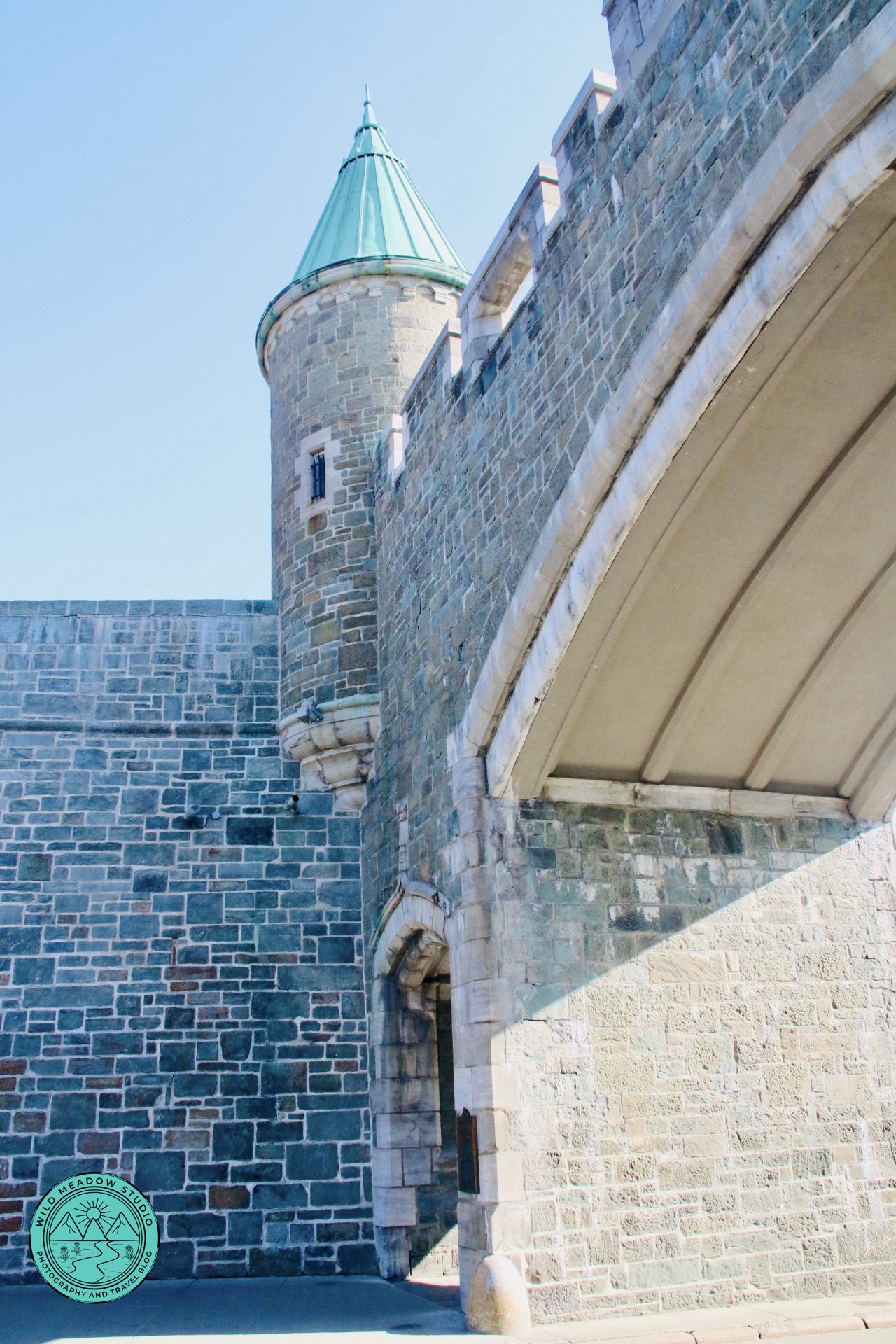
St. Louis Gate
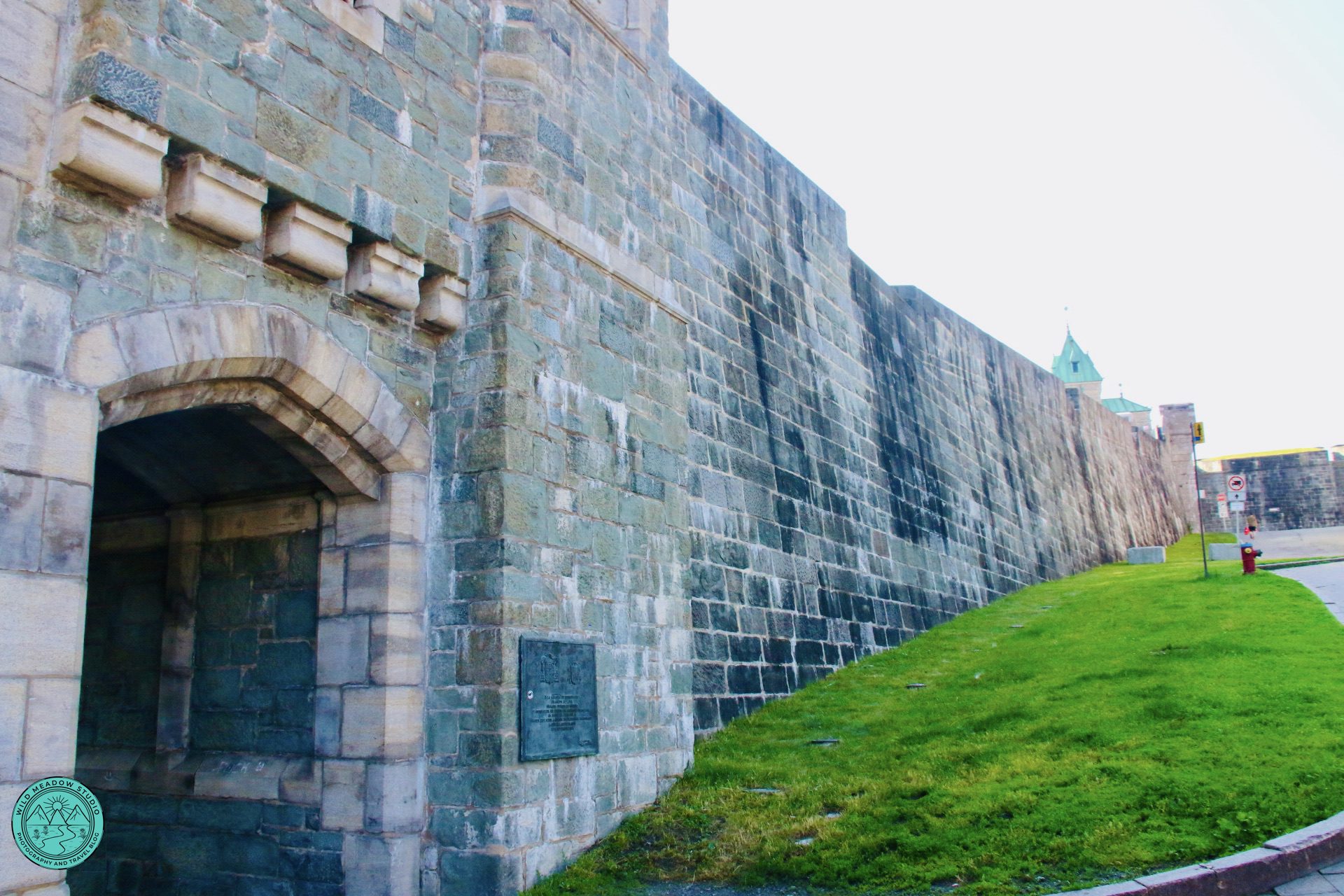
Walls of the Citadelle
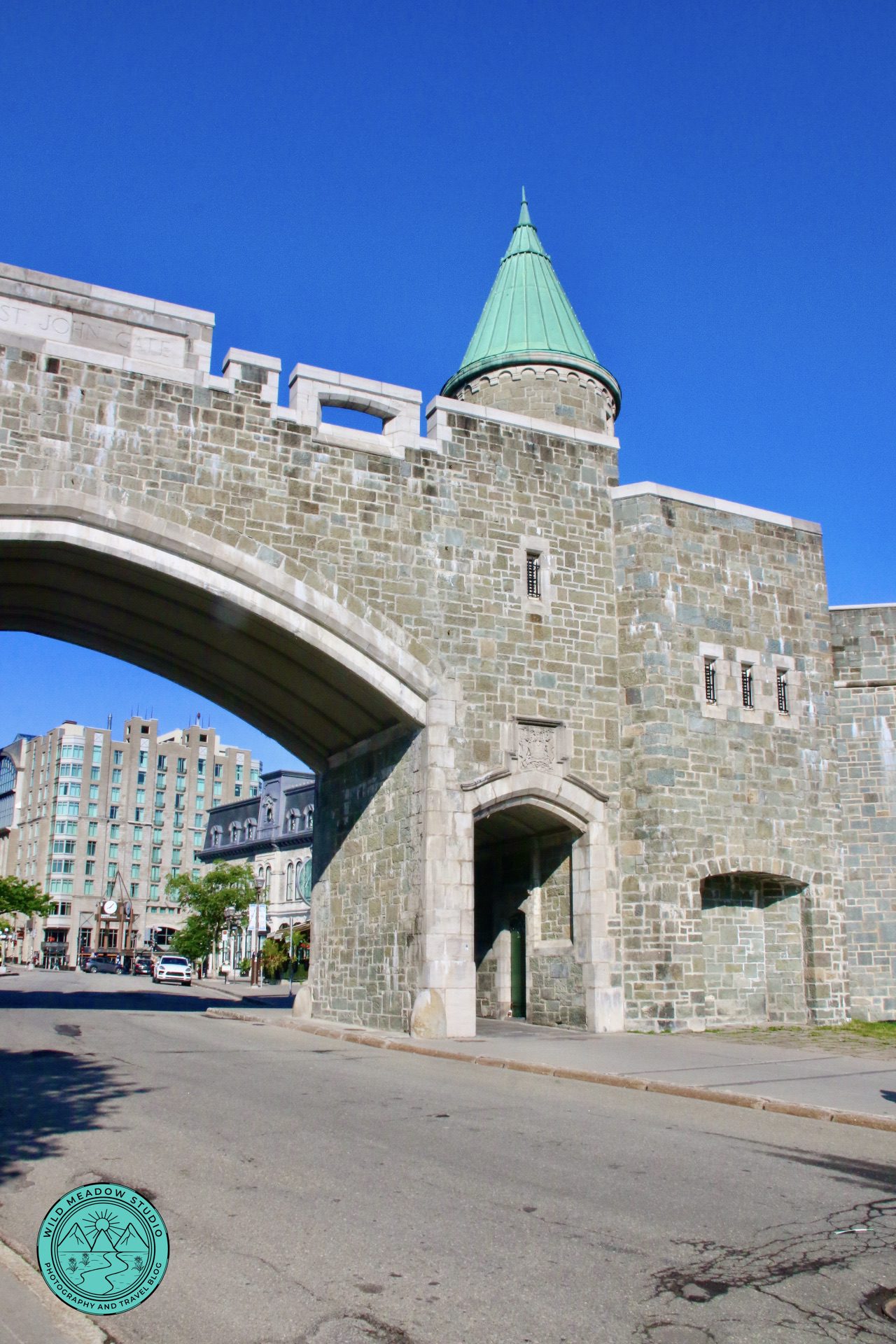
St. Jean Gate
13.Quebec’s City Walls and Gates-
Quebec City’s fortified walls and historic gates are among its most defining features, making it one of the only remaining walled cities in North America. Originally constructed by the French and later reinforced by the British, these fortifications reflect the city’s long-standing strategic importance and colonial past. Today, visitors can walk along sections of the ramparts or pass through iconic gates such as Saint-Louis, Saint-Jean, and Porte Kent which connect Upper Town with the surrounding neighborhoods. Beyond their historical significance, the walls also frame some of the best views in the city, where centuries-old stonework meets the modern streets just outside the old town. If interested you can actually climb the stairs and walk along sections of this fortified wall, on your own or Parks Canada offers guided tours.
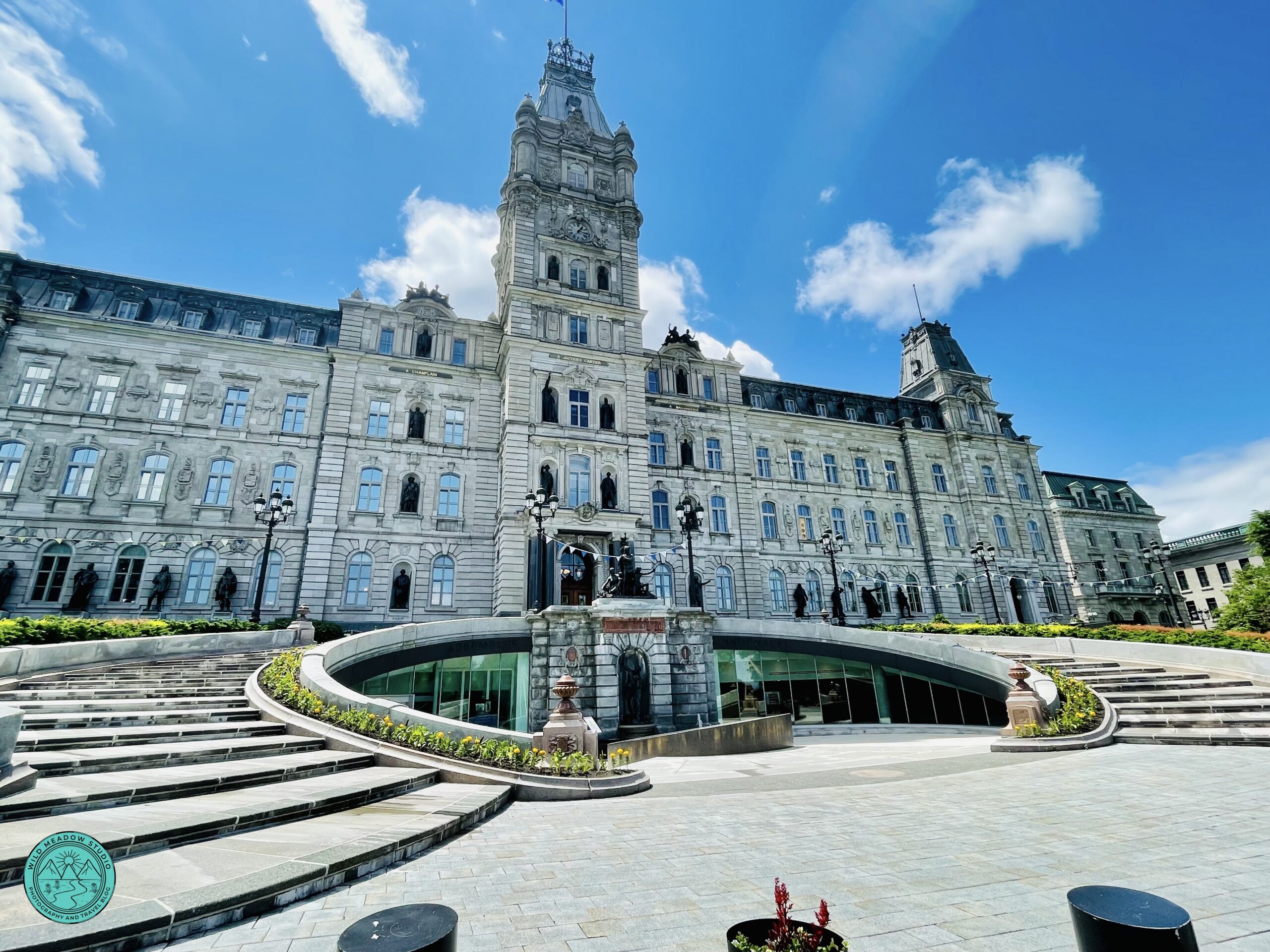
Assemblée nationale du Quebec
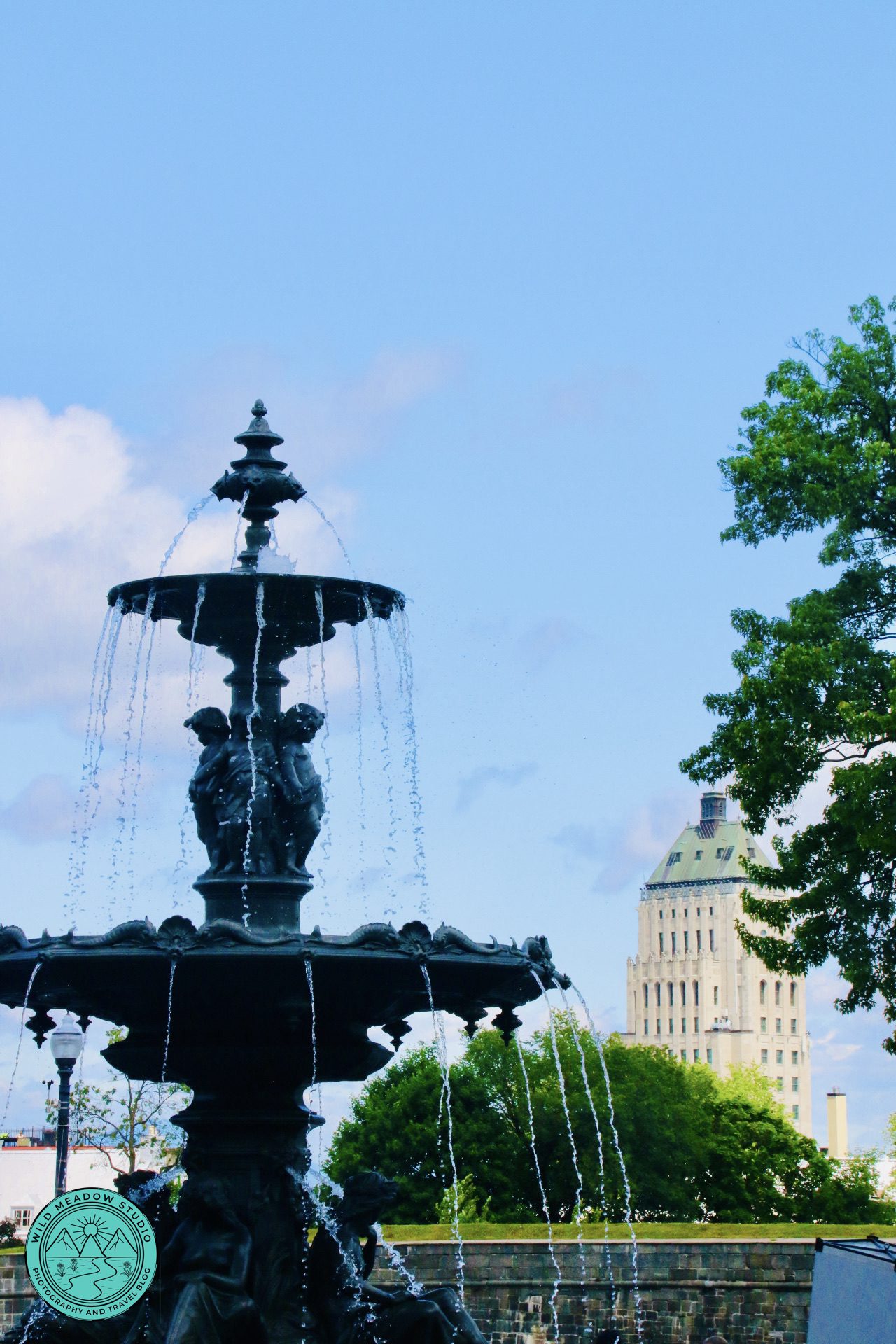
Place de l’Assemblée-Nationale (Public Square)
14. The Parliament Building-
Hôtel du Parlement du Québec is one of Quebec City’s most impressive landmarks and the seat of the province’s National Assembly. Built between 1877 and 1886, it showcases grand Second Empire architecture, with ornate stone façades, statues representing key figures in Quebec’s history, and a distinctive central tower. Located just outside the walls of Old Quebec, it stands as both a working government building and a striking architectural highlight for visitors exploring the city. Just in front of the Parliament is the Place de l’Assemblee-Nationale, the pretty square which includes a beautiful garden, pretty fountain, and nice greenspace.
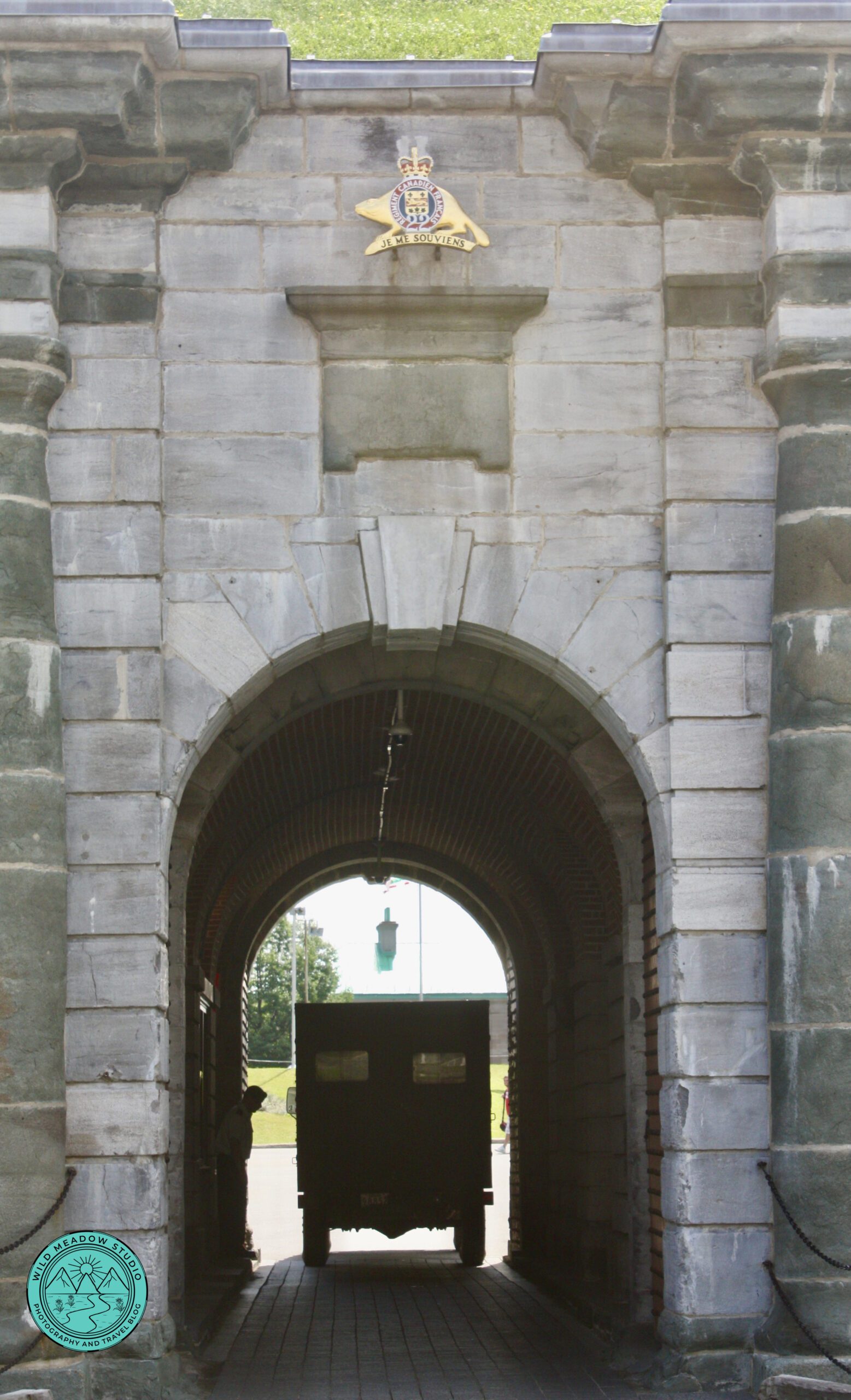
Gates at the Citadelle
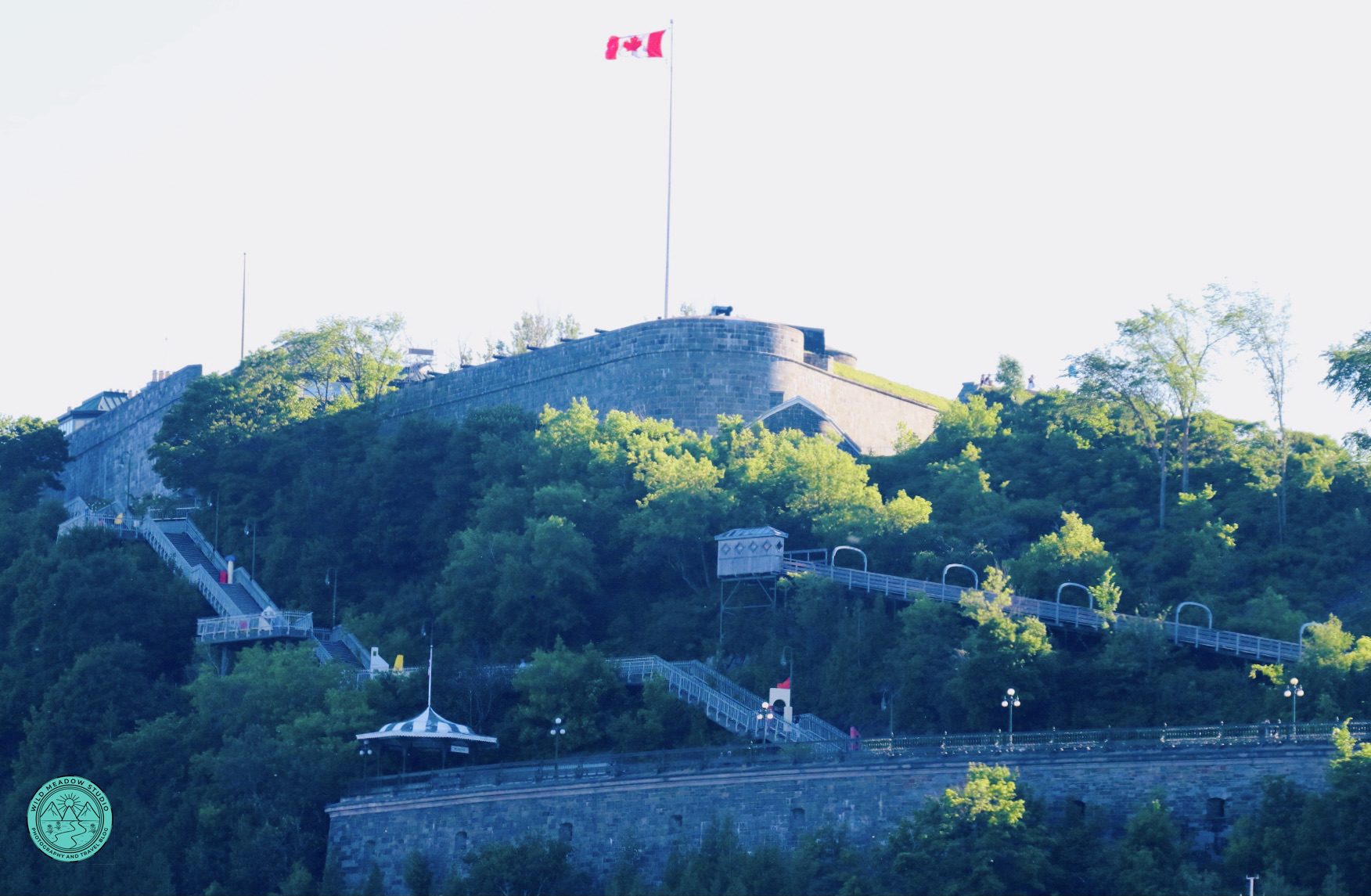
The Citadelle

Guard at the Citadelle
15. The Citadelle-
The Citadelle of Quebec is a star-shaped fortress overlooking the St. Lawrence River and one of the most important historic military sites in Canada. Built between 1820 and 1831 by the British, it is still an active military base today and can only be visited on a guided tour. Opening hours vary seasonally, typically from 9:00 a.m. to 5:30 p.m. in summerand 10:00 a.m. to 5:30 p.m. in winter. Admission is around $22 CAD for adults, which includes a guided visit of the fortress and access to the Royal 22e Regiment Museum. With its sweeping views over Old Quebec and rich military history, it’s one of the city’s most memorable attractions.

Northwest entrance into the Plains of Abraham Park
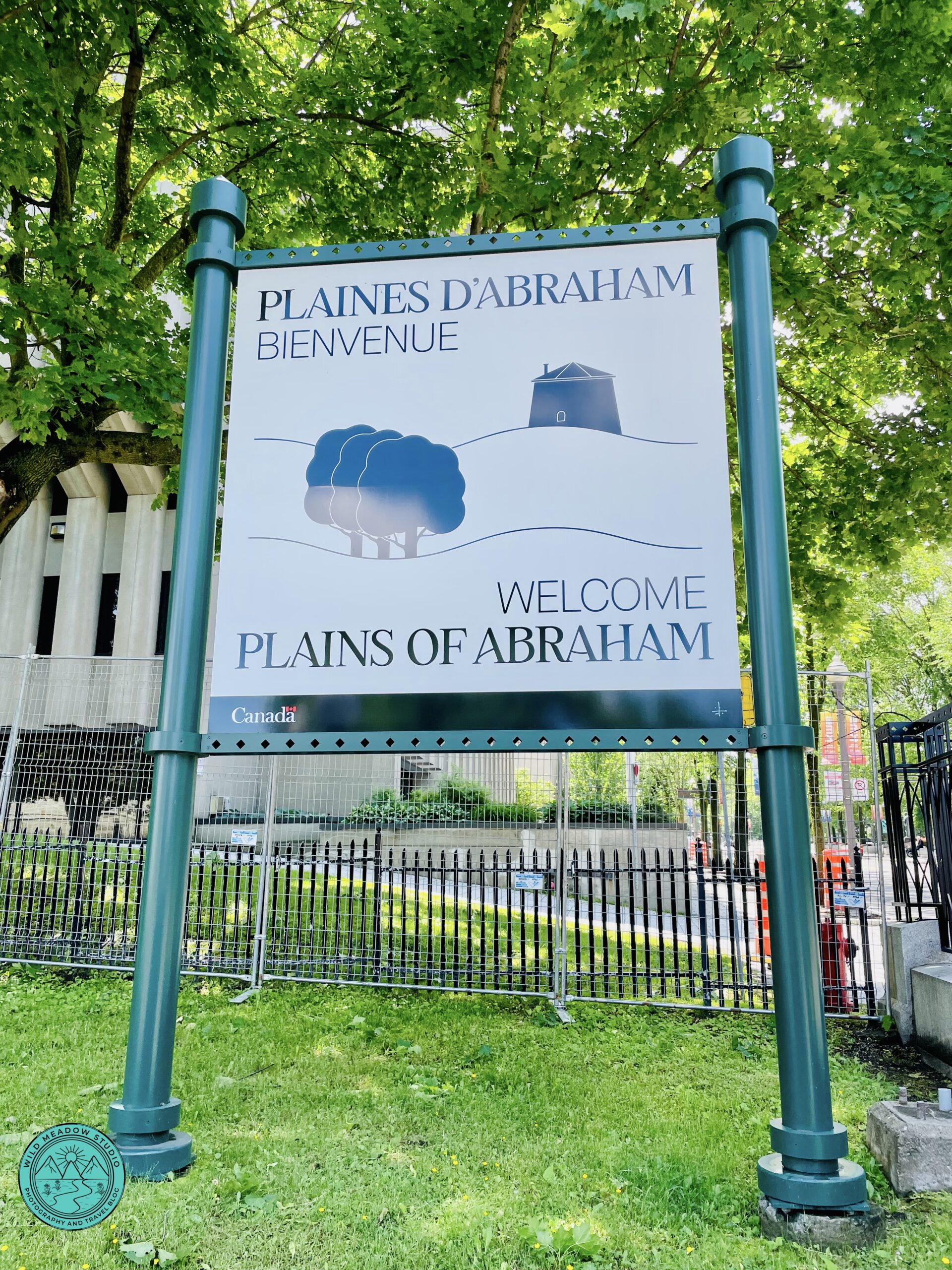
Sign at the entrance of the Plains of Abraham
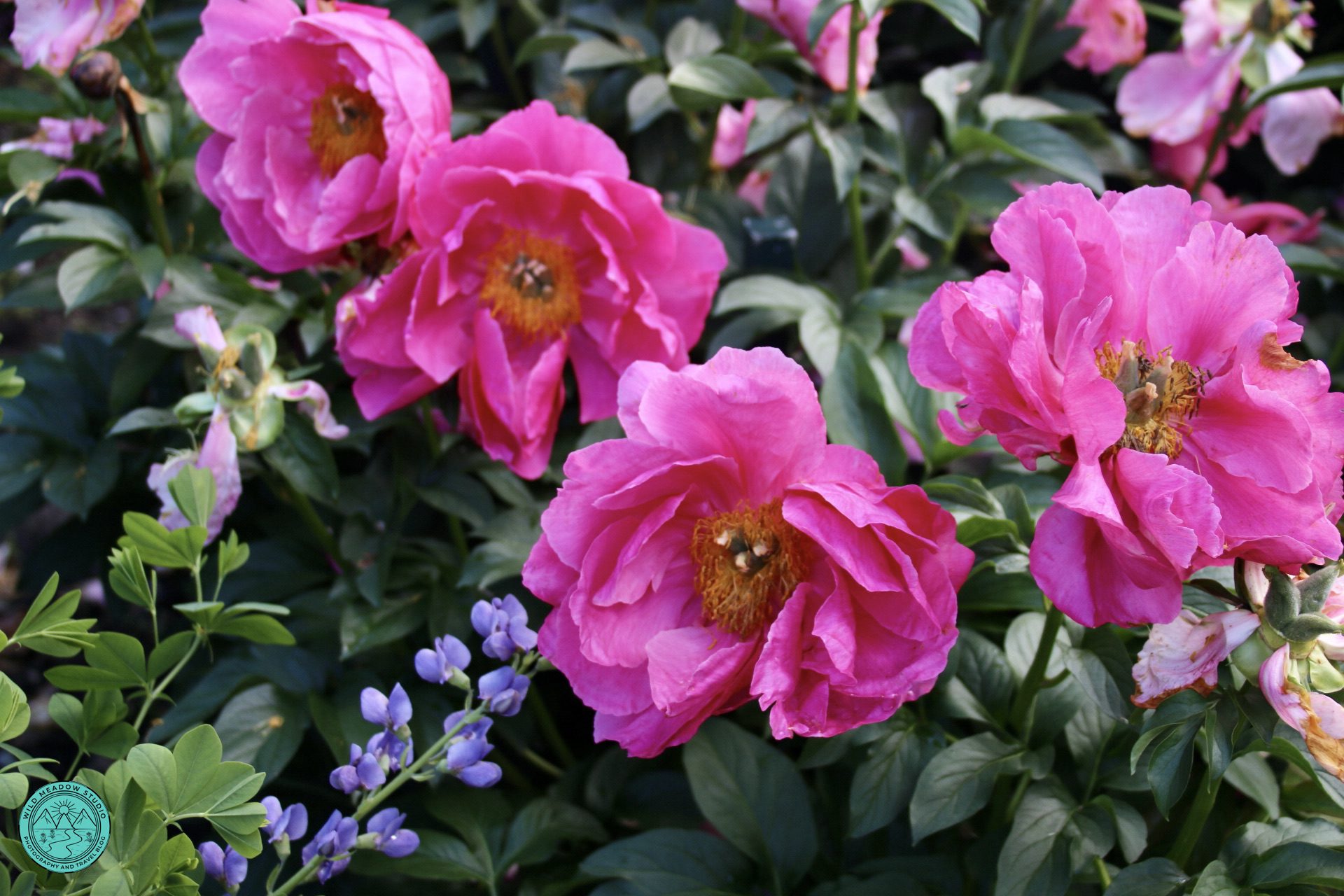
Beautiful Gardens in the Plains of Abraham Park
16. Plains of Abraham-
Once the site of a defining battle between the French (Montcalm) and British (Wolfe), today this wide-open park is peaceful and expansive filled with wooded walks, fountains, and pretty gardens. In the morning, it’s filled with joggers, dog walkers, and soft light stretching across the grass. It’s a place where history and everyday life blend together. A great place to walk, relax and reflect on the past.

Terrasse Pierre-Dugua-de-Mons
17. Terrasse Pierre-Dugua-de-mons-
Charming public terrace or square, located near the Citadelle, above the Dufferin Terrace. It is named after Piere Dugua, a French merchant, explorer, and the foundational colonizer of New France. He was appointed Lieutenant General by King Henri lV and led expeditions in the early 1600’s founding the first French settlements at Saint Croix Island and Port-Royal and sponsoring Samuel de Champlain’s founding of Quebec City in 1608. There is a statue honouring him in the square as well as great views, and pretty old buildings lining one side of the square.
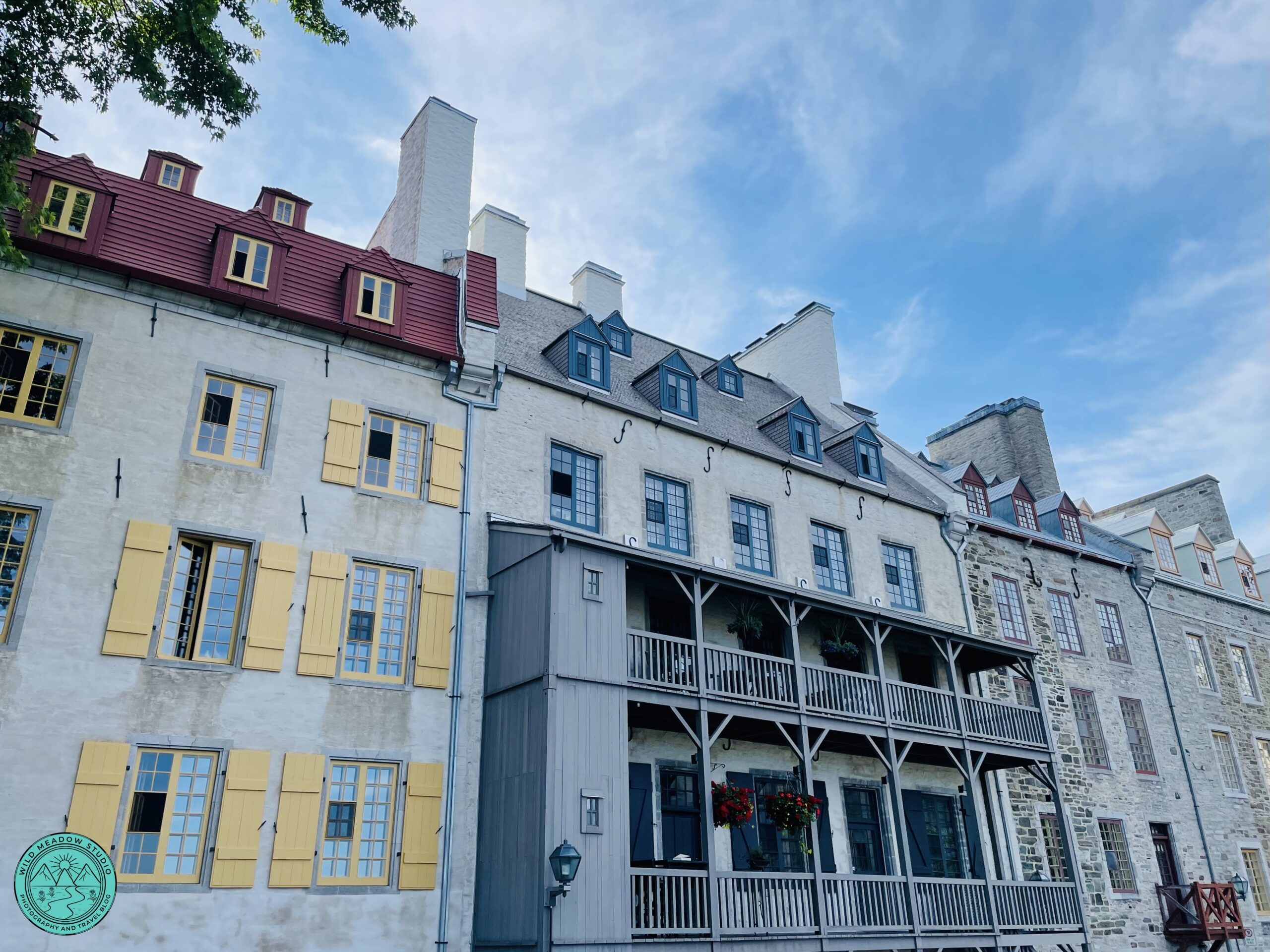
Beautiful Old Quebec
4. A Few More Interesting Places to Explore:
Rue Haldimand-
Located behind the Chateau Frontenac, this short but historical street is named after Frederick Haldimand, the Governor of Quebec between 1778-1786. This street once housed the British Officers in elite colonial style buildings during the 1700 & 1800’s. Just an interesting street to wander if time permits.
Rue Sous-le-Cap-
A very atmospheric street, with wooden staircases and overhanging balconies creating a layered, almost cinematic look. It’s easy to miss, which makes finding it feel like discovering a hidden corner of the city.
Old Port Historic District-
A pretty area to wander around, located along the St. Lawrence waterfront, just steps from Lower Town, with museums, markets, shops, cafes, restaurants, green space, and great views.
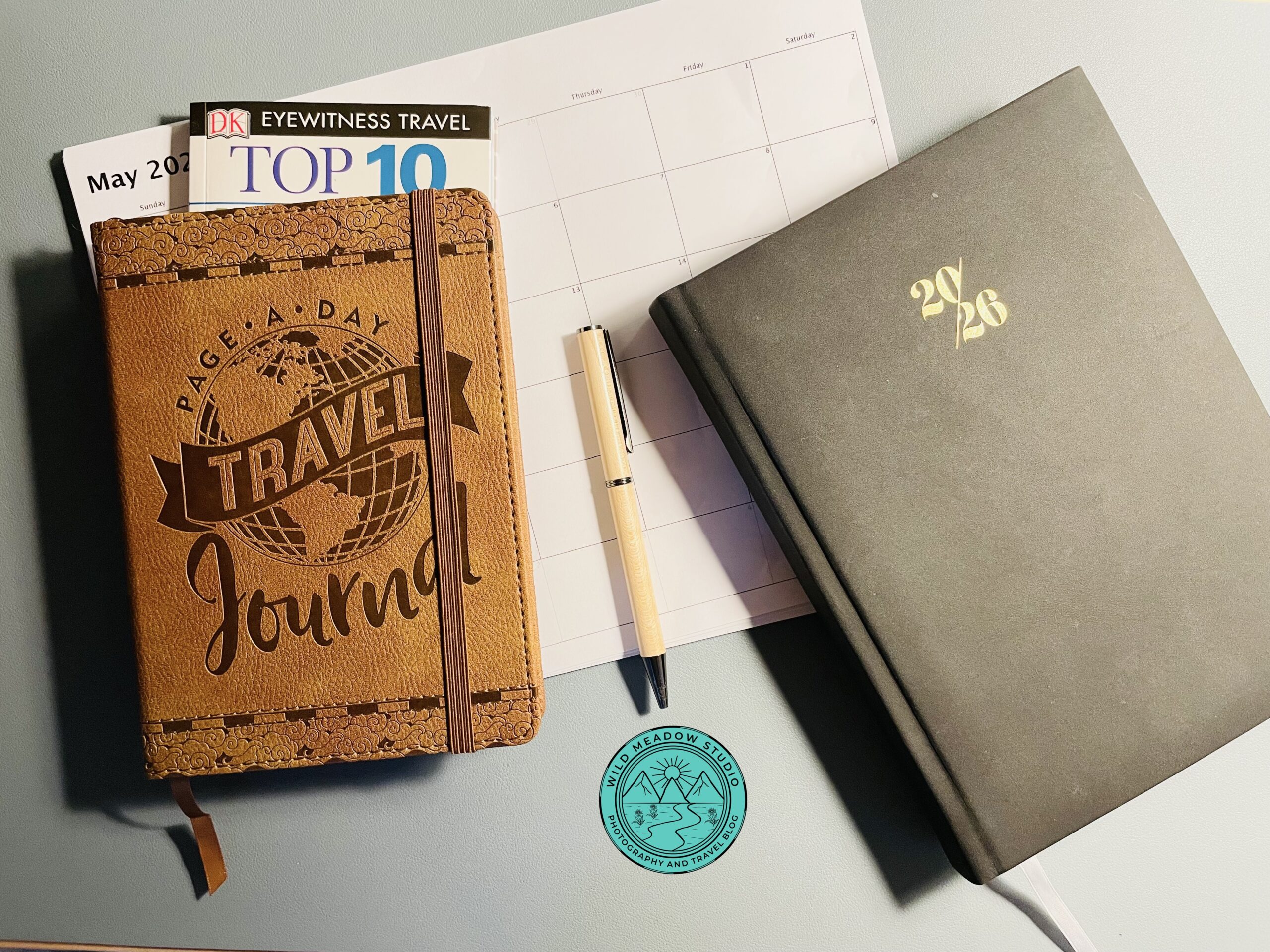
Plan. Travel. Capture.
5. References:
For our Quebec City travel planning, we leaned on a mix of trusted guidebooks, including DK Eyewitness Top 10 Montreal & Quebec City, which helped shape our itinerary, and must-see sights. In addition to the books, it’s helpful to reference official tourism websites, (quebec-cite.com) attraction sites, public transportation resources (like the trains, buses, and ferries), and a few local food blogs to see what local foods piques your interest. Google Maps for driving and walking distances, and tour apps for the activities, like Get Your Guide, Viator and Expedia. We hope you find these top things to do helpful when planning your own trip to this historical city.

Rue de la Terrasse-Dufferin
6. Wrap-Up:
Quebec City is a destination that blends history, architecture, and atmosphere in a way few places in North America can match. From its fortified walls and grand landmarks to its charming streets, viewpoints, and hidden corners, every stop offers something memorable for both travellers and photographers. Whether you’re exploring the Upper Town, wandering through Lower Town, or simply taking in the river views, the city has a way of feeling both timeless and alive at the same time. However you choose to spend your time here, Quebec City is the kind of place that stays with you long after you’ve left. It’s perfect for a weekend getaway that feels like you’ve transported yourself to the back streets of Europe.
Our relaxed, early morning travel style is something we love, so much so, we wrote a blog and 2 free downloadable travel guides on it, “Your Daily Slow Travel Planner + Bonus Slow Morning Blueprint” request your free copies at the top of the page or through one of our pop ups.
Plan Better. Travel Slower. Capture More.
Thank you,
Beth
Beth de Verteuil
Wild Meadow Studio
Plan. Travel. Capture.