
Our relaxed, early morning travel style is something we love, so much so, we wrote a blog and 2 free downloadable travel guides on it, “Your Daily Slow Travel Planner + Bonus Slow Morning Blueprint” request your free copies at the top of the page or through one of our pop ups.
For more information and inspiration on Kyoto, Japan, checkout our upcoming posts “3-Days in Kyoto, Japan: with detailed Itinerary”, and “Travel Guide to Kyoto, Japan: Where to Stay, Eat, & Essential Tips” (coming September 8th)
For flights, stays, car rentals and more we use Expedia, and for tours, activities, and classes we use Viator or Get Your Guide. For train travel we book through the OMIO app.
Disclosure: Some of the links in this post are affiliate links. This means that if you choose to make a booking or purchase through one of these links, we may earn a small commission at no additional cost to you. I only recommend places, experiences, and products that we have personally used or genuinely believe add value to a trip.
Table of Contents:
- Introduction to Kyoto, Japan
- Top 7 Things to do in Kyoto, Japan
- A few Quick Tips for Visiting Kyoto
- References
- The Wrap Up
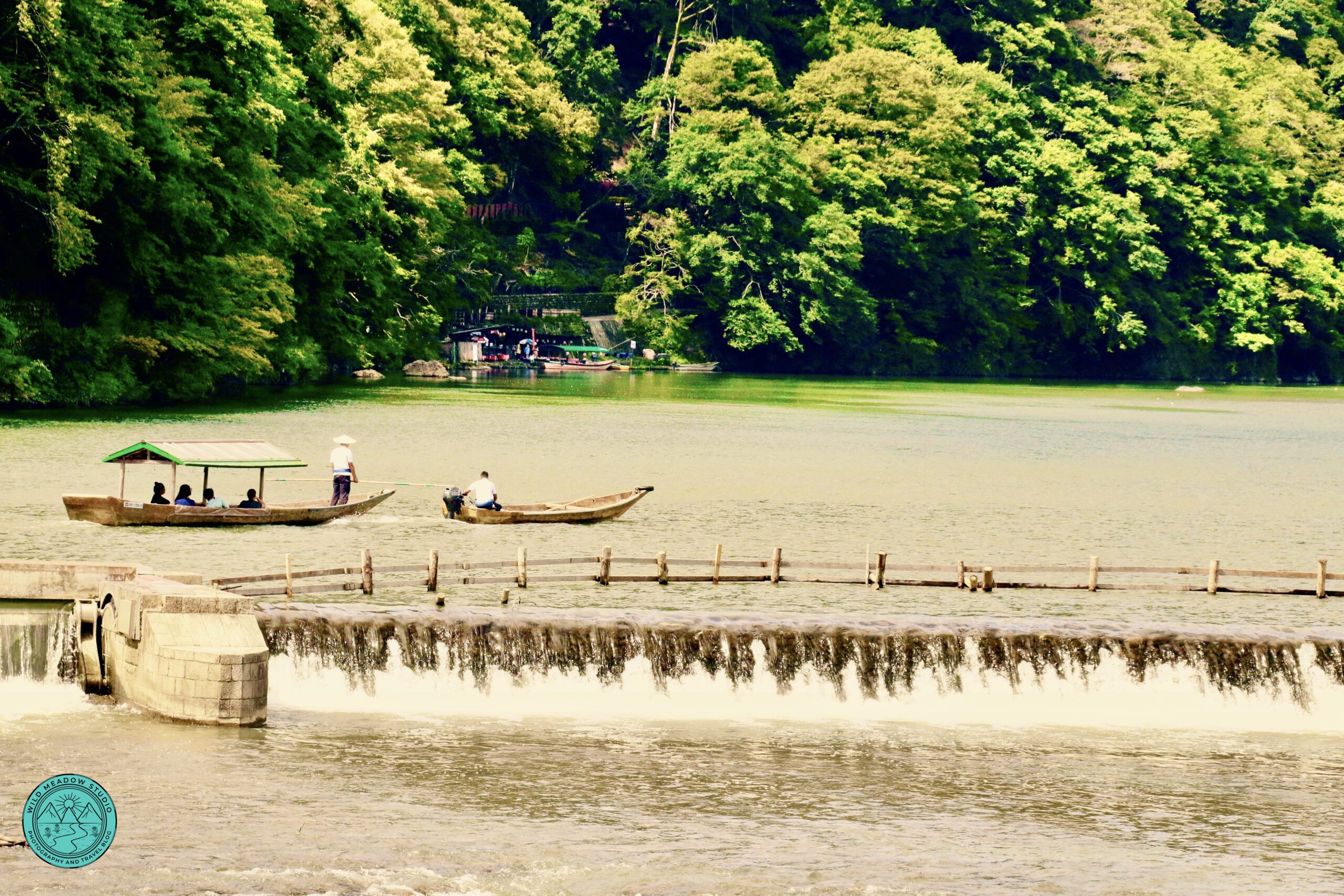
Along the River in Arashiyama
1. Introduction:
Nestled in the heart of Japan, Kyoto is a city where centuries of history blend seamlessly with modern culture. Founded as Japan’s imperial capital in 794 AD, Kyoto remained the center of the nation for more than 1,000 years, shaping Japan’s art, architecture, religion, and traditions. Today, visitors can explore ancient temples, tranquil bamboo forests, vibrant markets, and beautifully preserved historic districts that offer a glimpse into Japan’s rich past. From iconic landmarks such as Fushimi Inari Taisha and the Philosopher’s Path, to hidden gems tucked away in quiet neighborhoods, Kyoto is a destination that captivates travelers with its timeless beauty.
This guide covers the top things to do in Kyoto to help you make the most of your journey through one of Japan’s most culturally significant cities, here are our favourite top 7 things to do that you shouldn’t miss.
2. Top 7 Things to Do in Kyoto, Japan
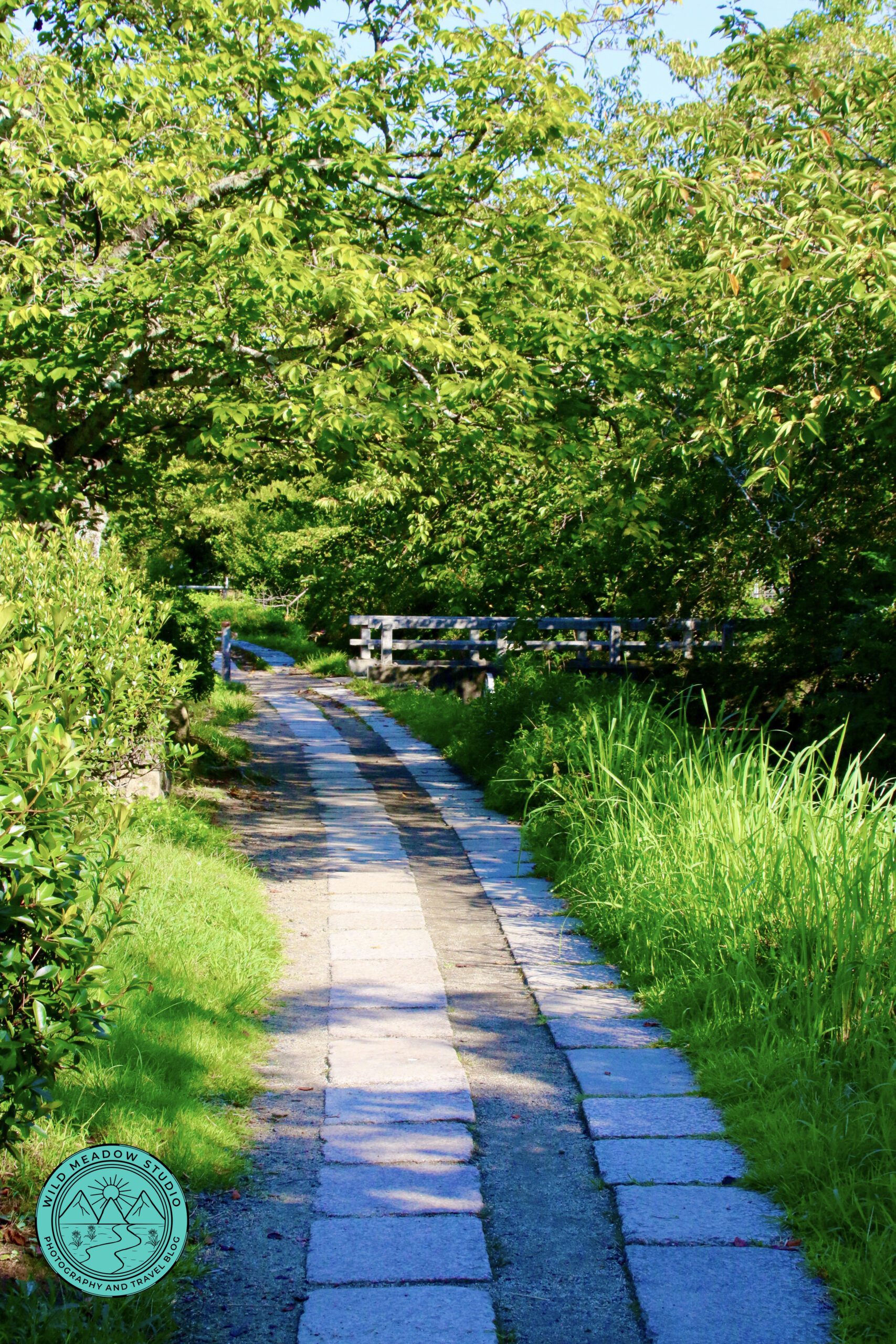
Philosopher’s Path
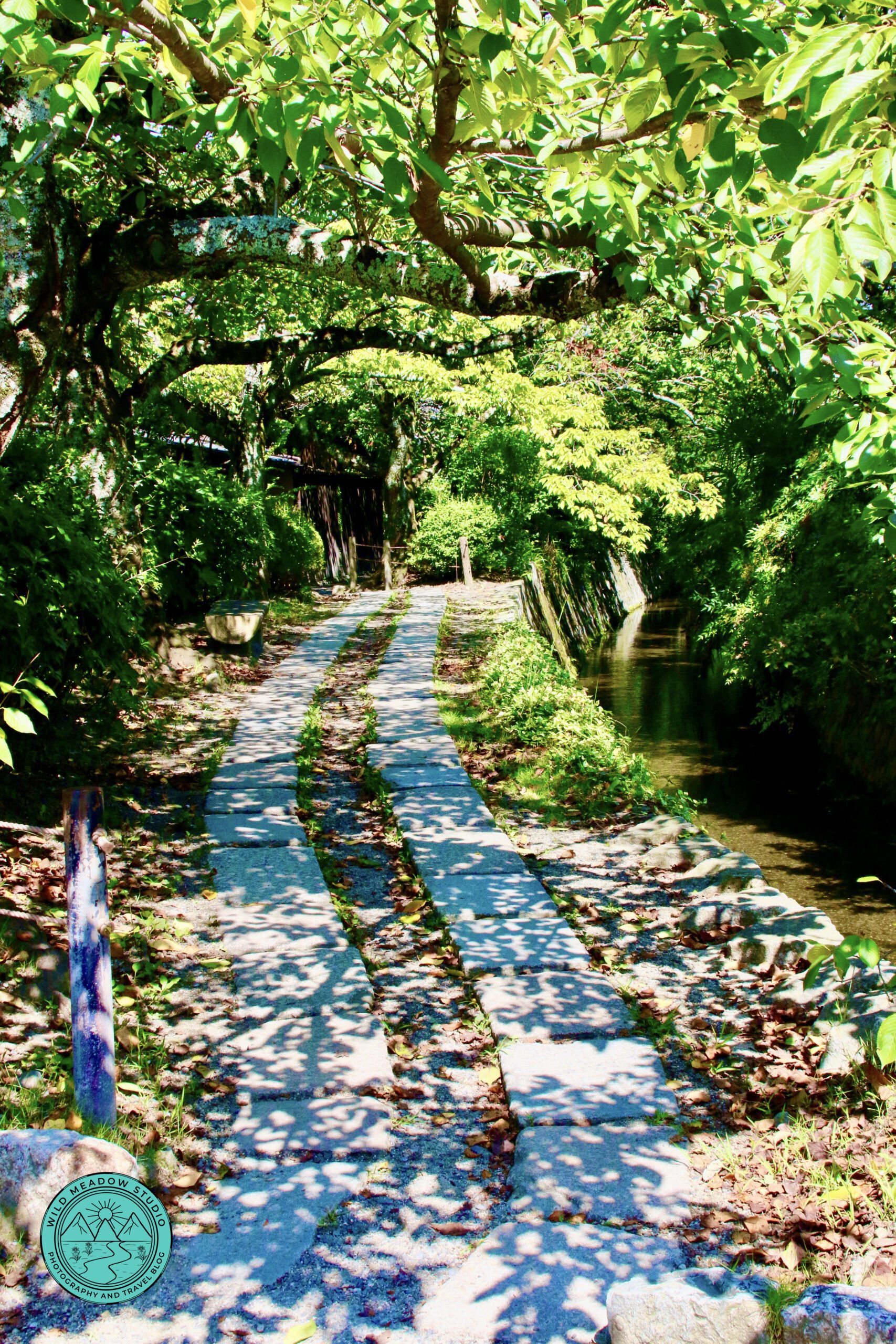
Tranquil Moments
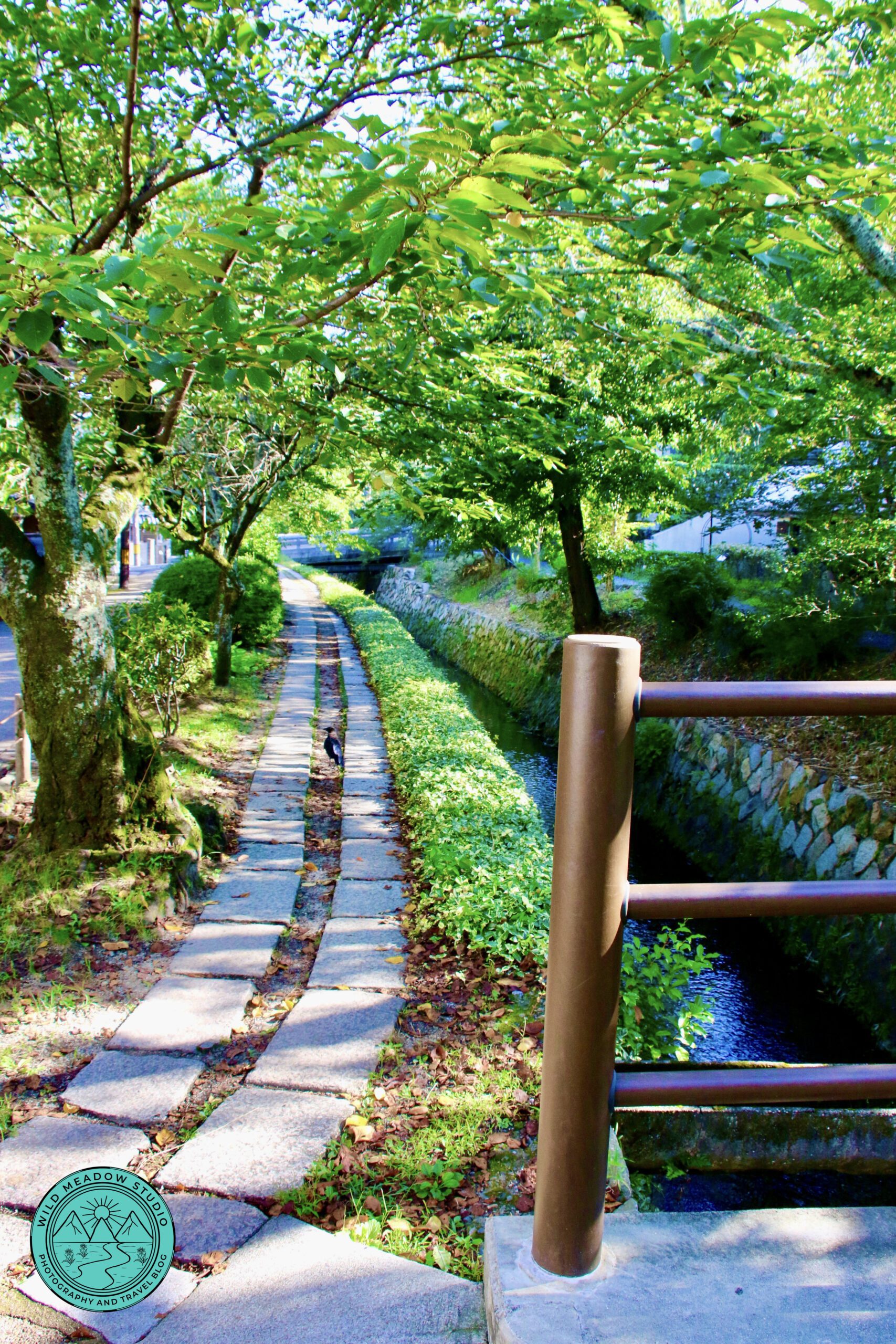
Along the Path
1. Philosopher’s Path:
The Philosopher’s Path is one of Kyoto’s most scenic walking trails, following a peaceful canal lined with hundreds of cherry trees between the districts of Ginkaku-ji (the Silver Pavilion) and Nanzen-ji Temple. Named after renowned Japanese philosopher Nishida Kitarō, who was said to meditate along the route during his daily walks, the path offers a tranquil escape from the city’s busier attractions. While especially famous during cherry blossom season, the Philosopher’s Path is beautiful year-round, with charming cafés, small temples, and seasonal gardens waiting to be discovered along the way.
Don’t miss:
- Cherry blossoms in spring
- Small temples along the route
- Early morning walks for a calm atmosphere
- The Silver Pavilion
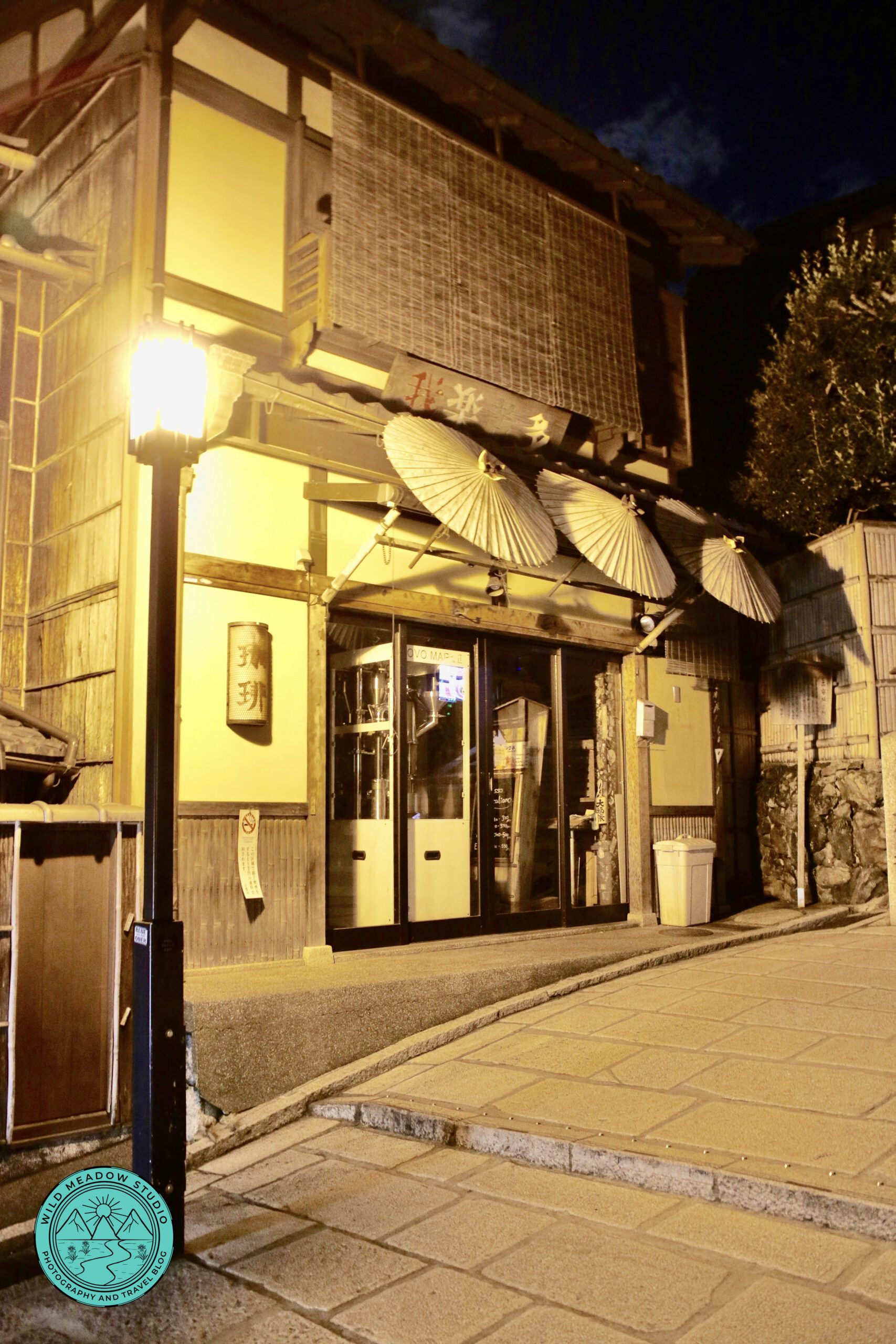
The Gion District
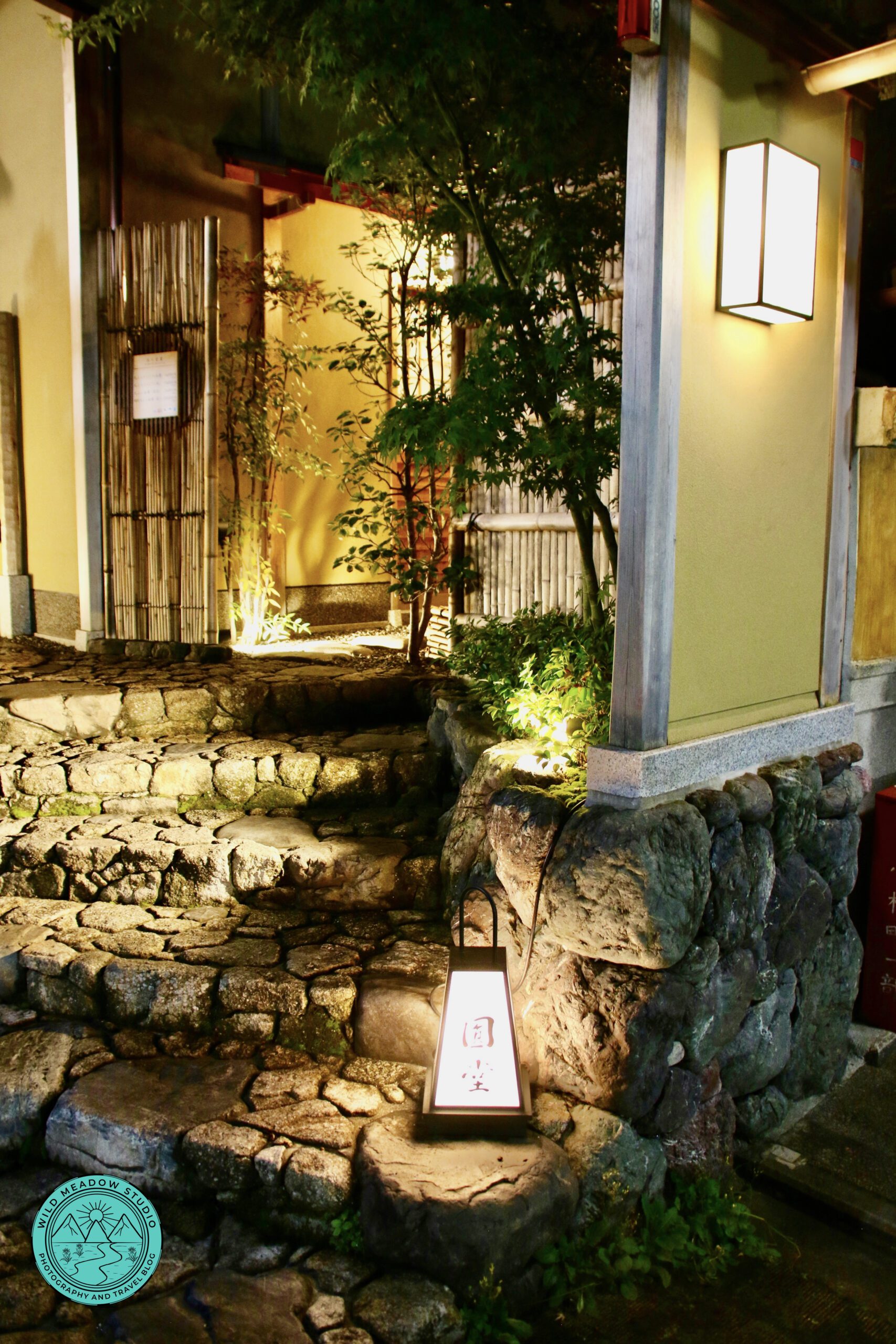
Evening Lanterns
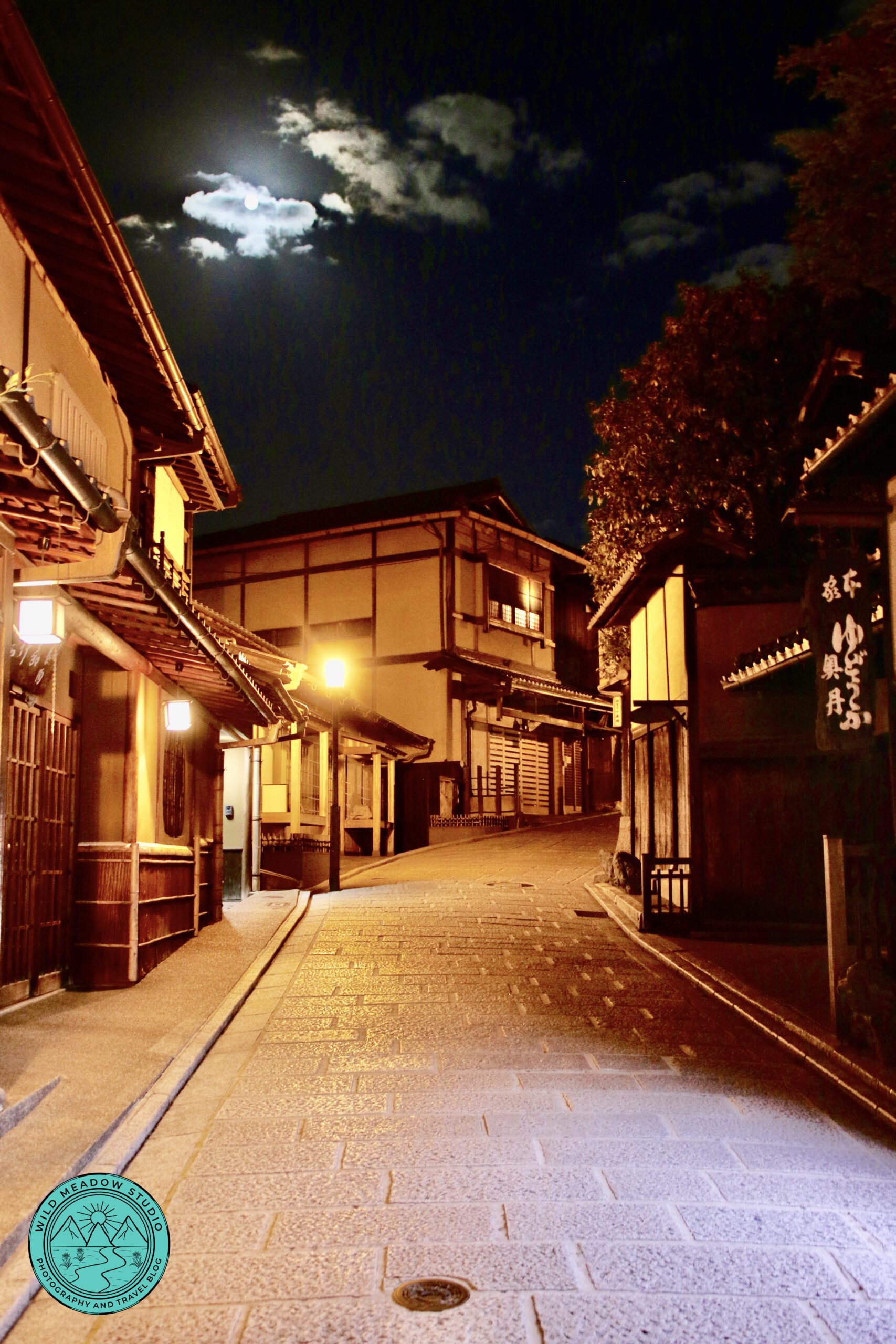
Moonlight over Gion
2. Gion District:
The Gion District is Kyoto’s most famous geisha neighborhood, known for its beautifully preserved wooden machiya townhouses, traditional teahouses, and timeless atmosphere. Established during the Edo period, (1603-1868) Gion developed as an entertainment district for visitors to nearby Yasaka Shrine and remains one of the best places to experience Kyoto’s rich cultural heritage. Strolling through its lantern-lit streets, particularly Hanamikoji Street, visitors may catch a glimpse of a geiko (Kyoto’s term for geisha) or maiko (apprentice geisha) on their way to an evening engagement. With its historic charm, traditional restaurants, and cultural performances, Gion offers a captivating glimpse into old Kyoto. Make sure to take an evening stroll here.
Don’t miss:
- Hanami-koji Street
- Traditional teahouses
- Evening atmosphere and quiet alleys
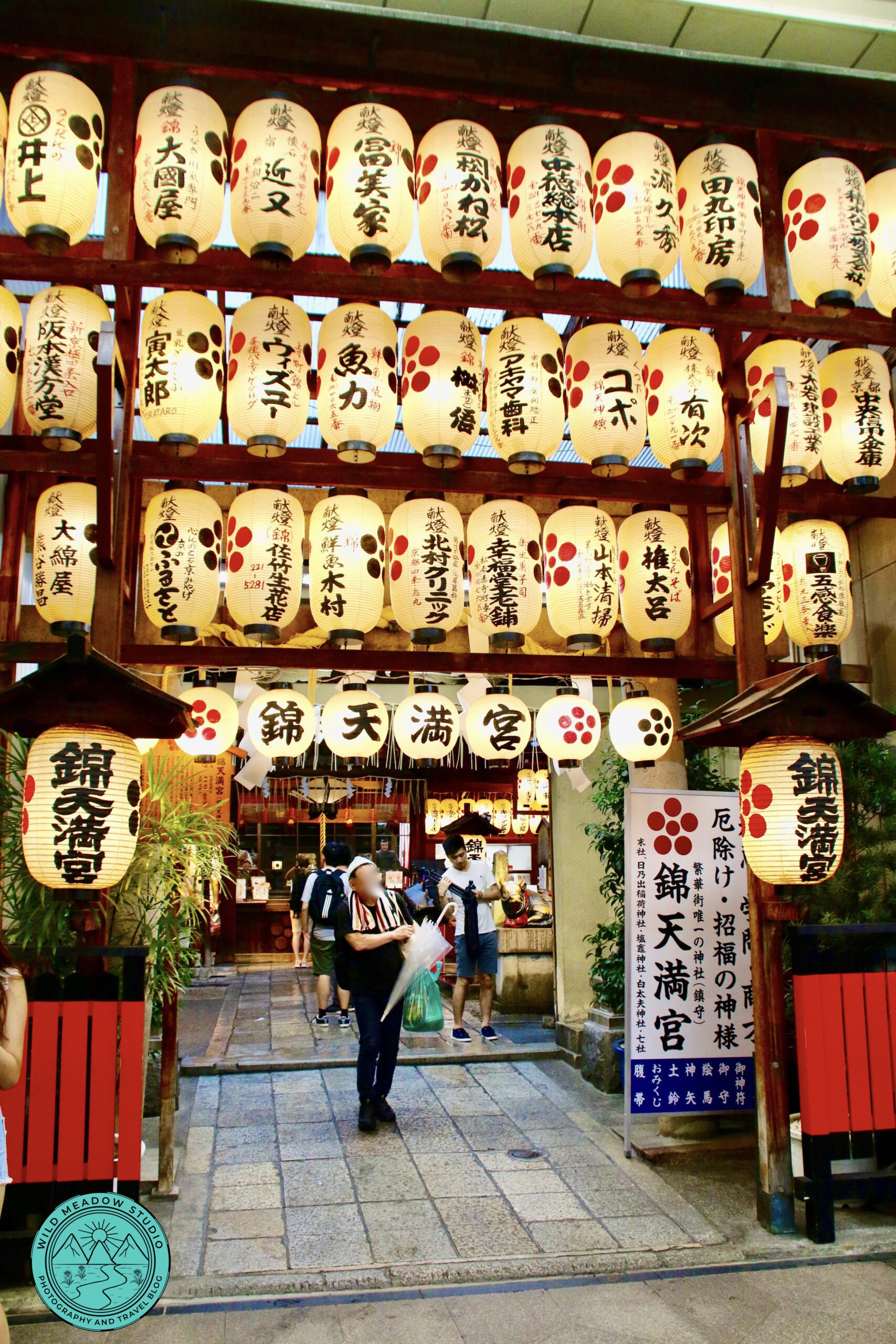
Lanterns in the Nishiki Market
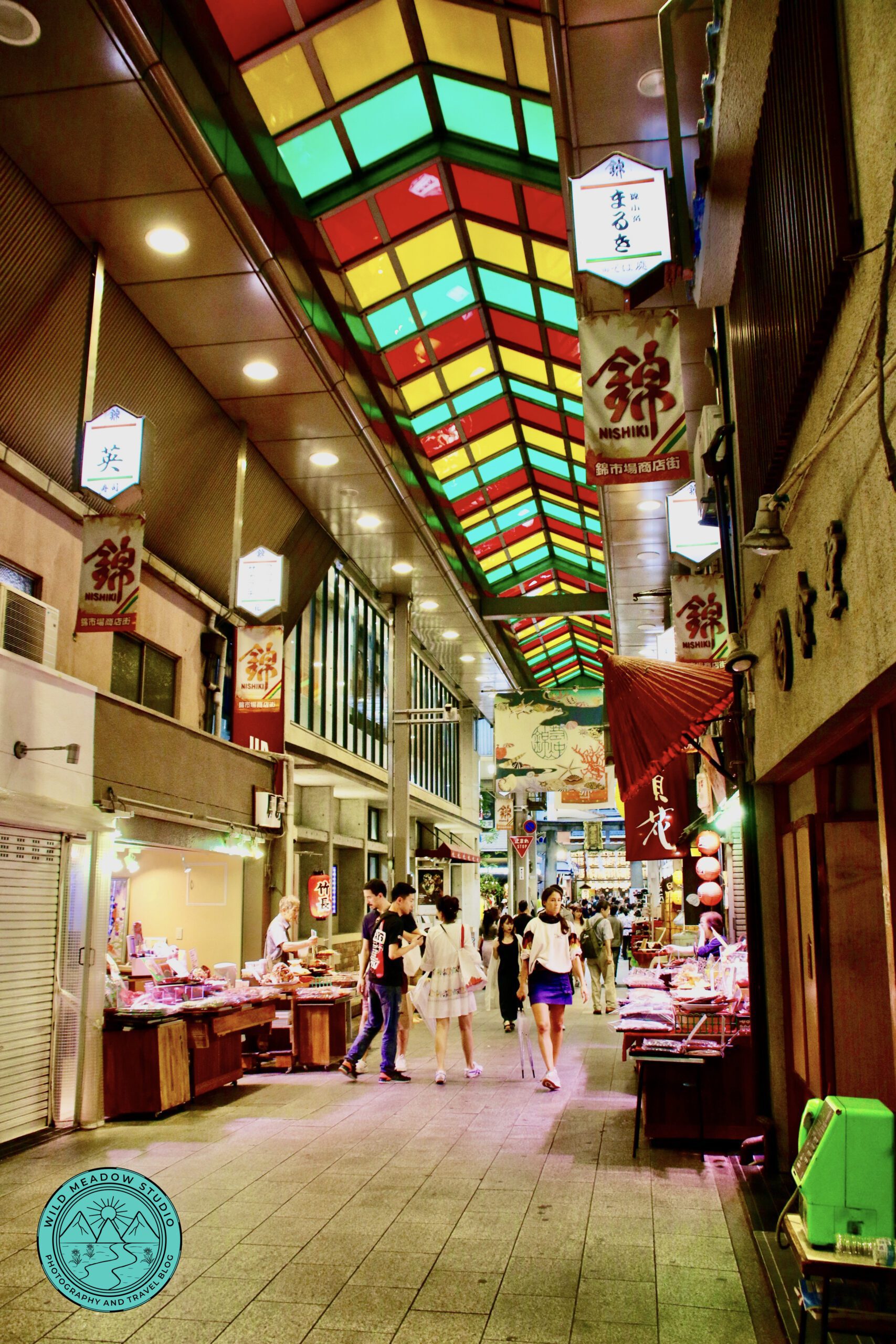
Nishiki Market
3. Nishiki Market:
Known as “Kyoto’s Kitchen,” Nishiki Market is a lively shopping street that has been at the heart of the city’s culinary culture for centuries. Stretching for five blocks through downtown Kyoto, the market is home to more than 100 shops and stalls selling everything from fresh seafood and local produce to traditional sweets and Kyoto specialties. Its origins date back to the early 14th century, when fish vendors began using the area’s cold groundwater to preserve their catch. Today, Nishiki Market is one of the best places to sample authentic Japanese street food, discover regional delicacies, and experience Kyoto’s vibrant food scene in a single walkable destination.
Don’t miss:
- Fresh street food tasting
- Local pickles and sweets
- Seasonal specialty snacks
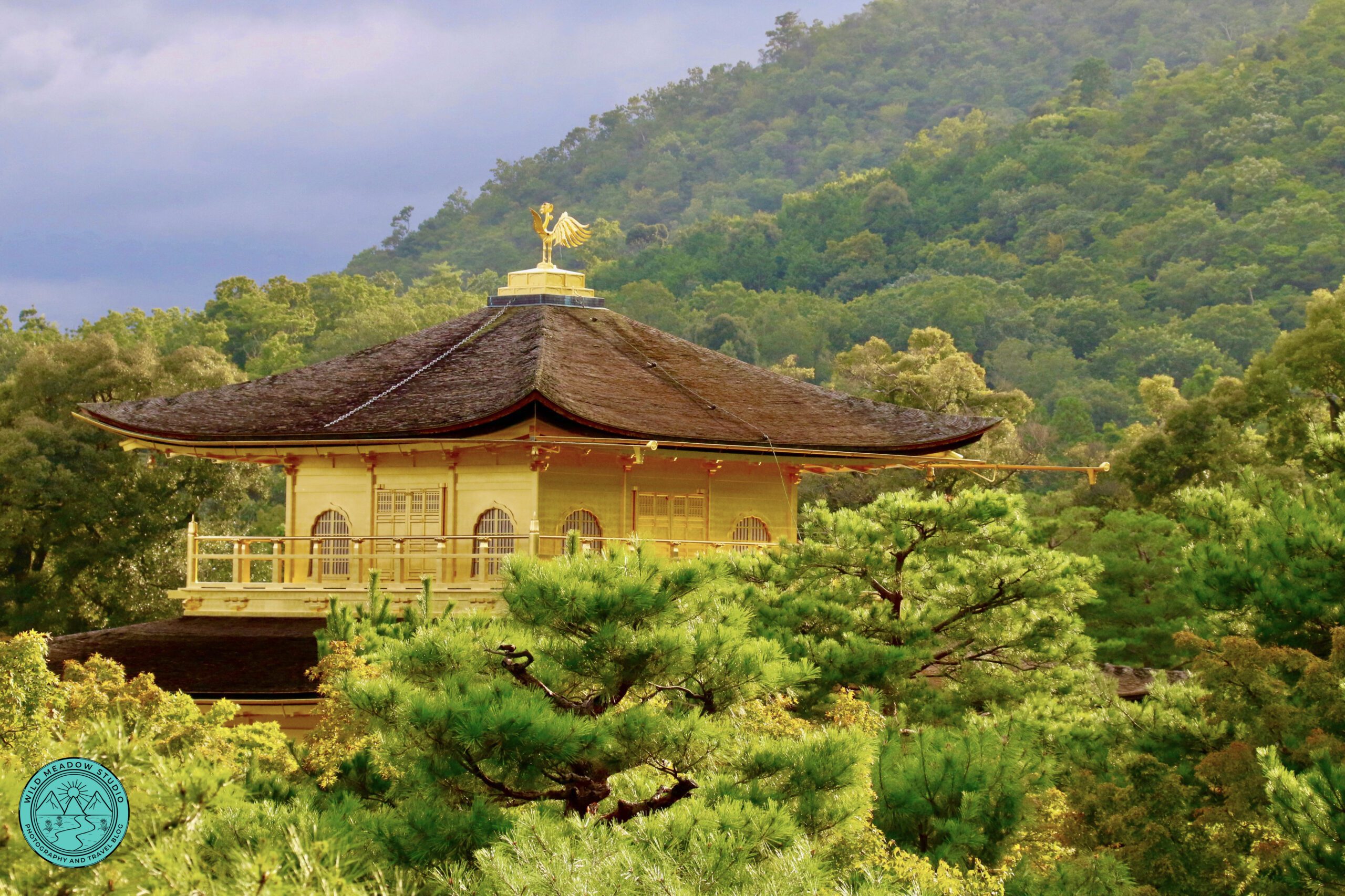
View of the Golden Pavilion
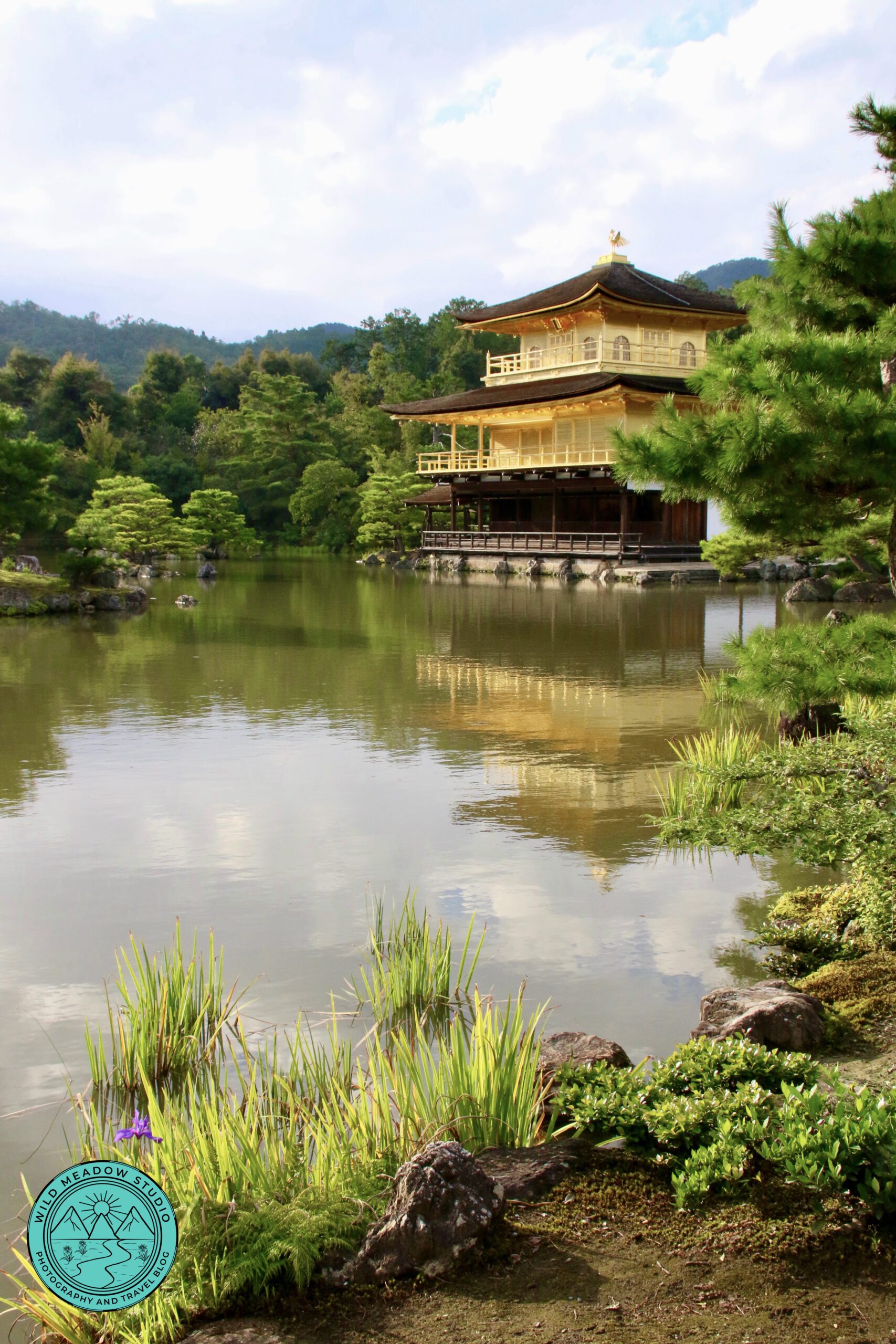
Reflections in the Pond

The Golden Pavilion
4. Kinkaku-ji (Golden Pavilion):
The Golden Pavilion, known as Kinkaku-ji, is one of Kyoto’s most iconic landmarks and a UNESCO World Heritage Site. Originally built in 1397 as a retirement villa for shogun Ashikaga Yoshimitsu, the structure was later converted into a Zen Buddhist temple after his death. Its top two floors are covered in brilliant gold leaf, creating a stunning reflection in the surrounding pond and gardens. Although the original pavilion was destroyed by fire in 1950, it was meticulously rebuilt in 1955 to preserve its historic beauty. Surrounded by carefully landscaped grounds, Kinkaku-ji remains one of Kyoto’s most photographed and visited attractions, offering a striking example of traditional Japanese architecture and design.
Don’t miss:
- Reflection photos over the pond
- Peaceful garden walk
- Visiting early for fewer crowds

Sand Gardens
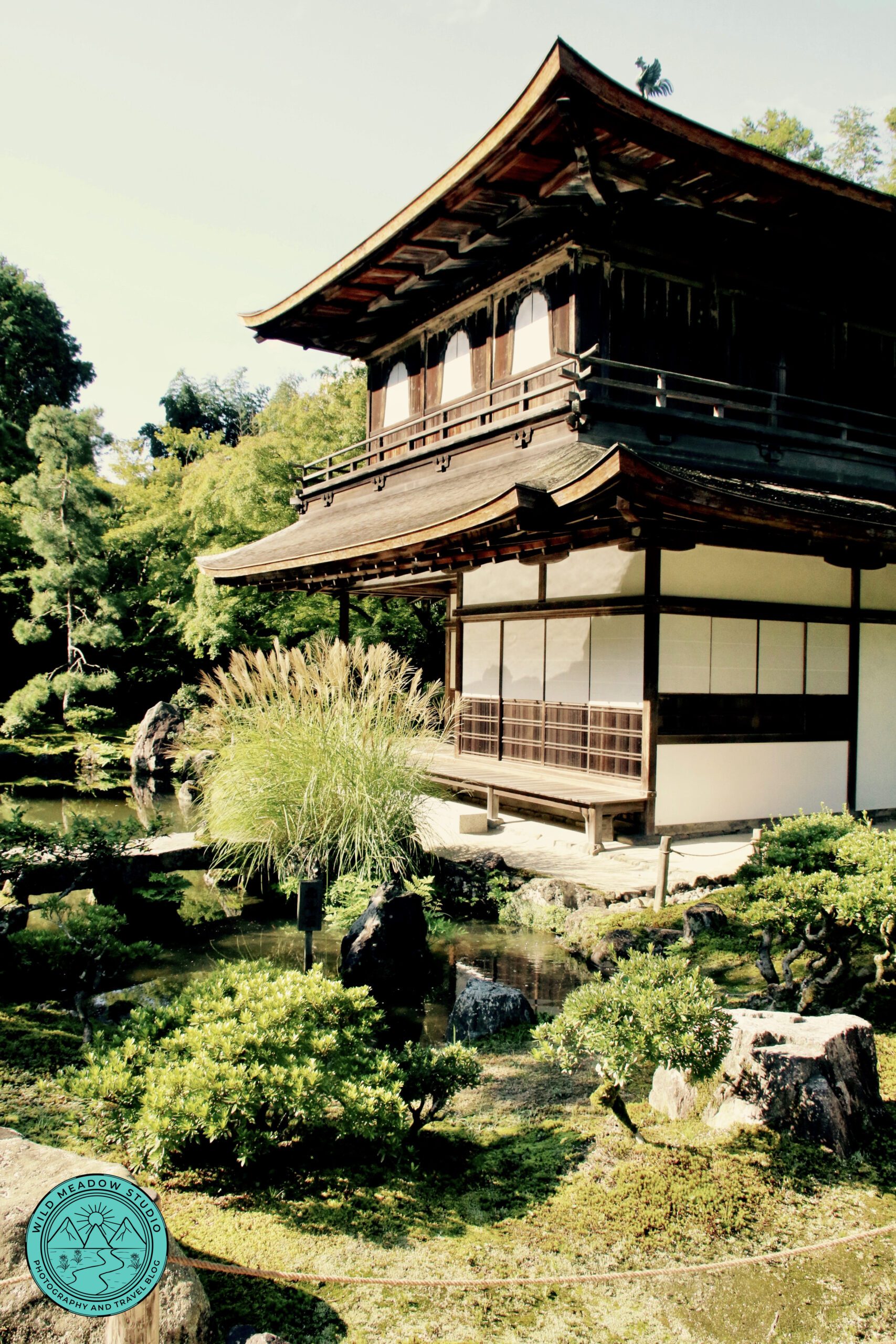
The Silver Pavilion
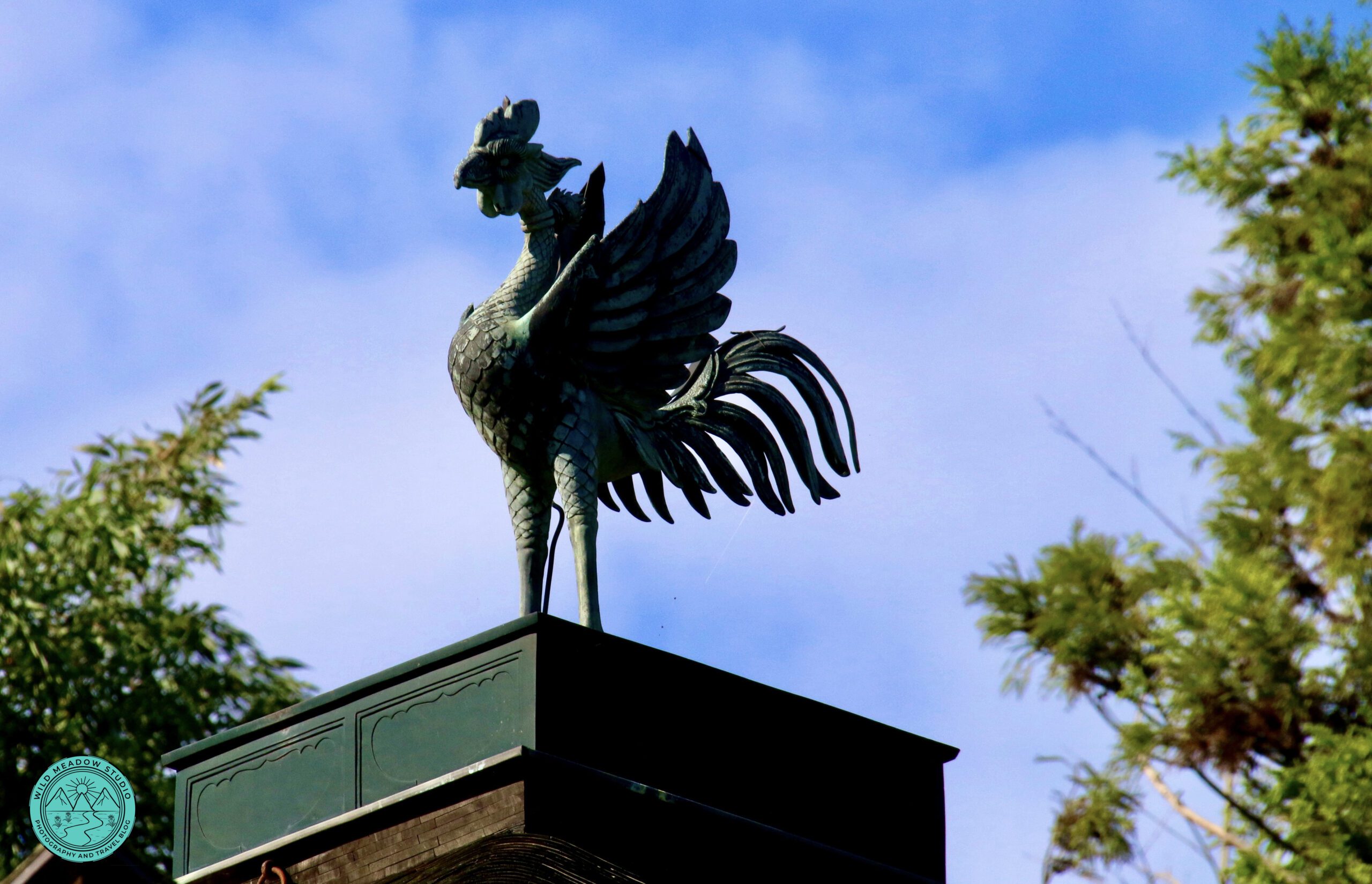
The Bronze Phoenix on top of the Silver Pavilion
5. Ginkaku-ji (Silver Pavilion):
The Silver Pavilion, known as Ginkaku-ji, is a historic Zen temple renowned for its understated elegance and beautifully designed gardens. Built in 1482 as the retirement villa of shogun Ashikaga Yoshimasa, it was inspired by his grandfather’s Golden Pavilion, Kinkaku-ji. Despite its name, the pavilion was never covered in silver, a plan that was ultimately never realized. Instead, Ginkaku-ji became a symbol of the refined simplicity and aesthetic principles that influenced Japanese culture, including the concepts of wabi-sabi and the traditional tea ceremony. Visitors can explore the temple’s meticulously maintained sand gardens, moss-covered landscapes, and scenic walking paths that offer peaceful views of Kyoto.
Don’t miss:
- Sand garden (“Sea of Silver Sand”)
- Moss gardens
- Scenic hillside viewpoints
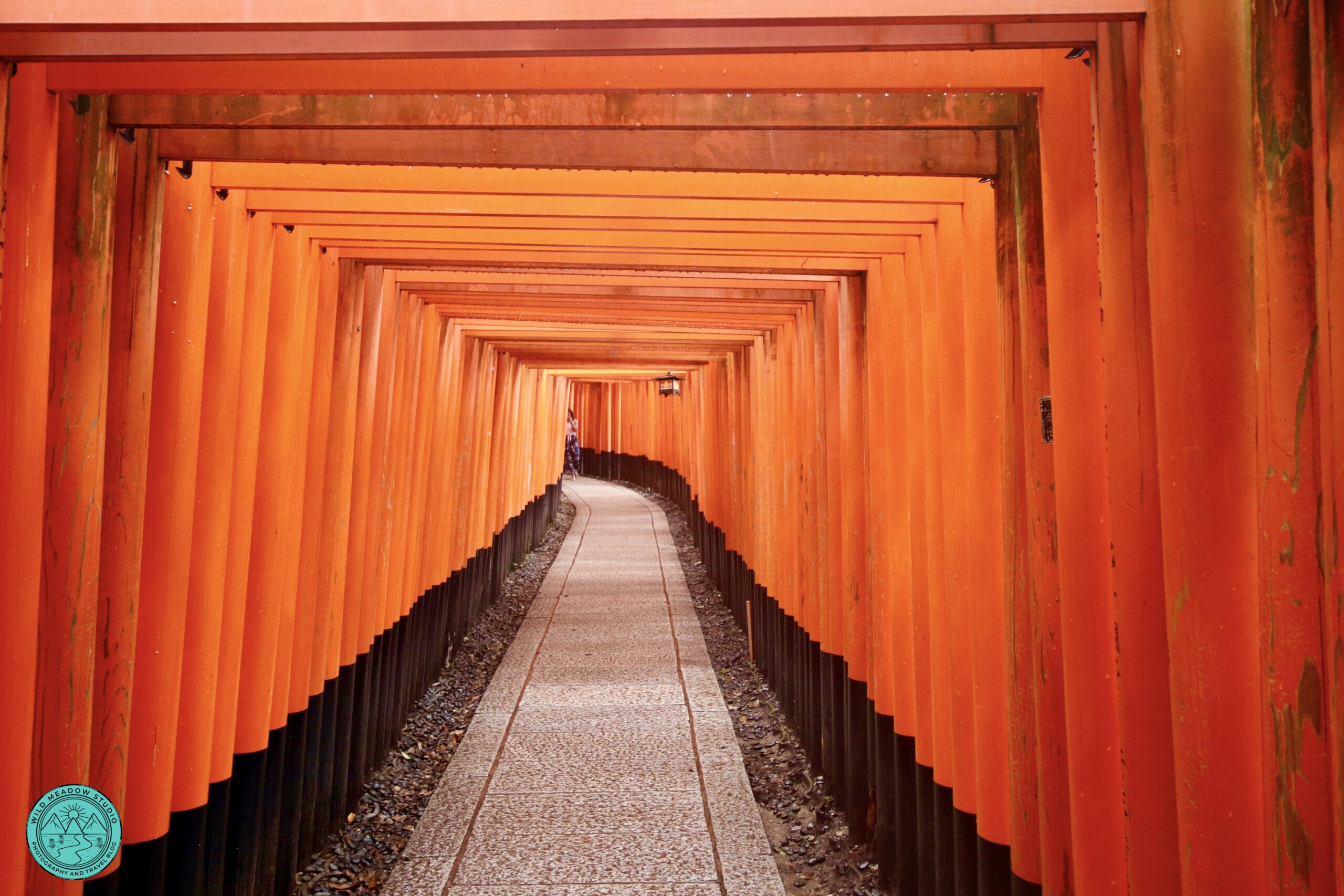
Torii Gates
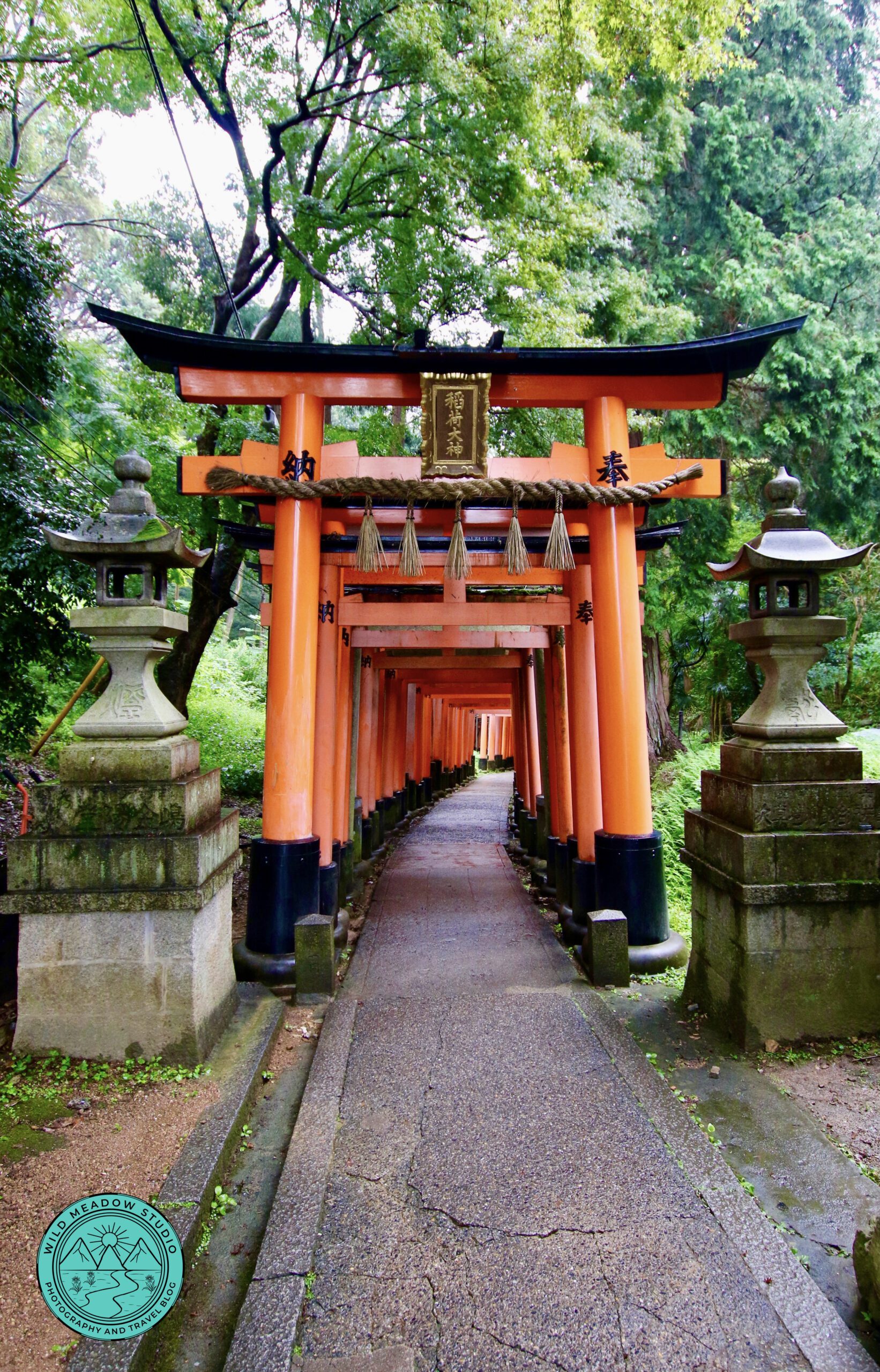
Fushimi Inari Shrine
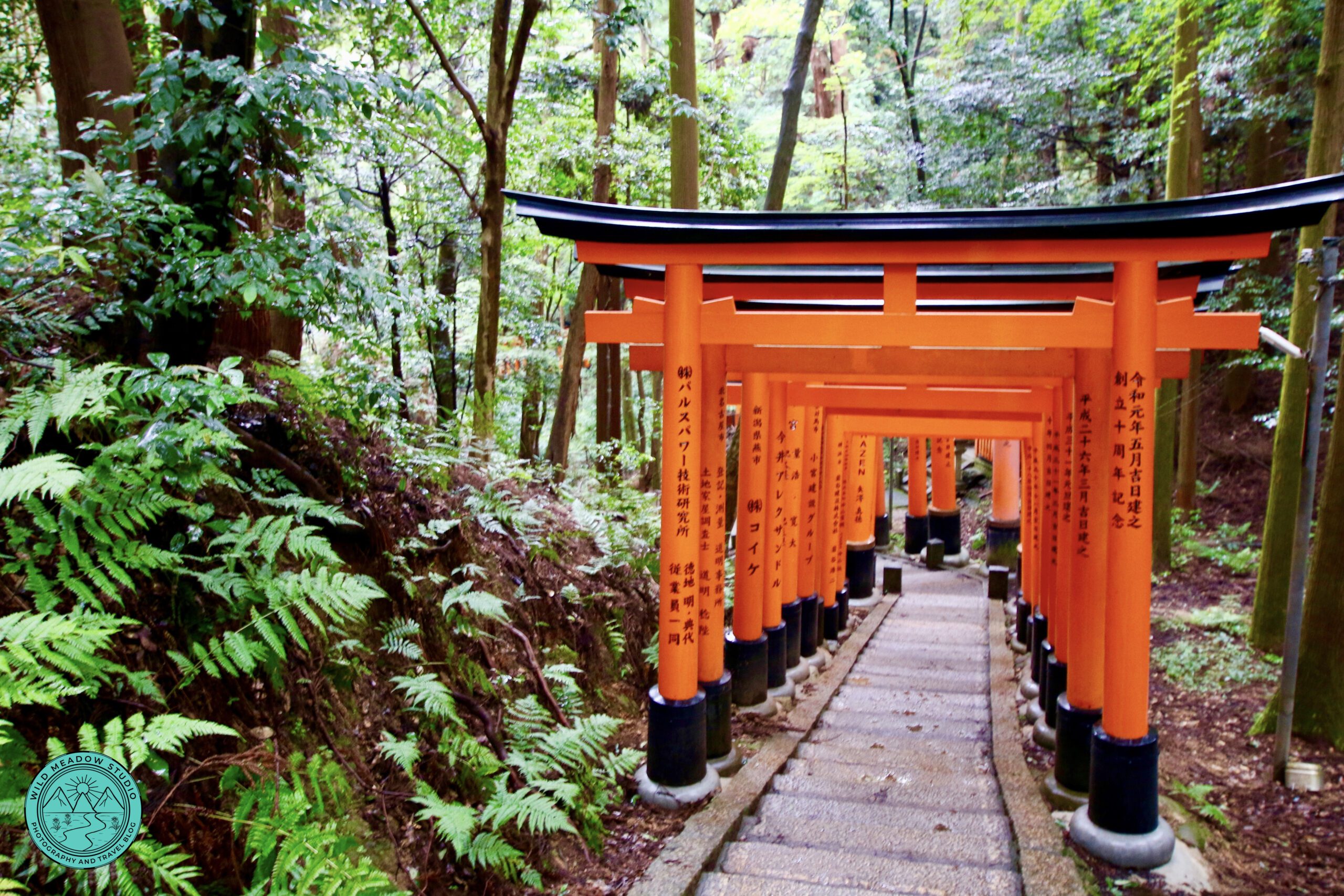
Peaceful early morning walk
6. Fushimi Inari Shrine:
Fushimi Inari Taisha is famous for its seemingly endless tunnels of vibrant vermilion torii gates, with approximately 10,000 gates winding their way up the sacred slopes of Mount Inari. Founded in 711 AD and dedicated to Inari, the Shinto deity of prosperity and success, the shrine is one of Kyoto’s most iconic attractions. Visitors can explore the network of trails that climb roughly 4 kilometres round trip to the mountain’s summit, passing smaller shrines, scenic viewpoints, and thousands of gates donated by businesses and individuals seeking good fortune. The hike typically takes two to three hours and offers a unique blend of history, spirituality, and natural beauty.
One small tip: many visitors only walk as far as the Yotsutsuji Viewpoint, about halfway up the mountain. It offers one of the best views over Kyoto and can be reached in roughly 30–45 minutes, making it a great option for travelers who don’t want to complete the full hike.
Don’t miss:
- Early morning visit
- Hiking up the mountain trails
- Smaller hidden shrines along the route
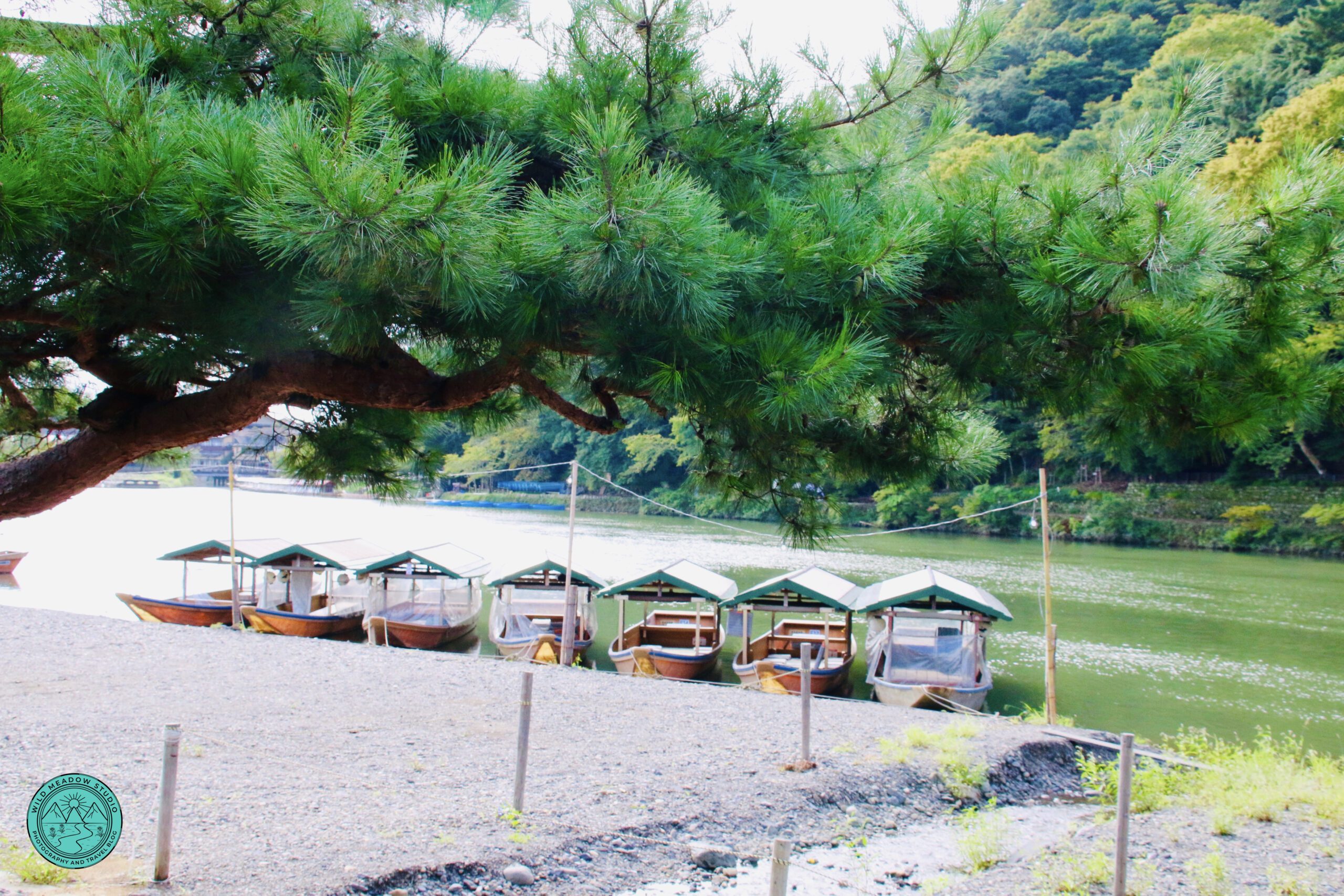
Along the River in Arashiyama
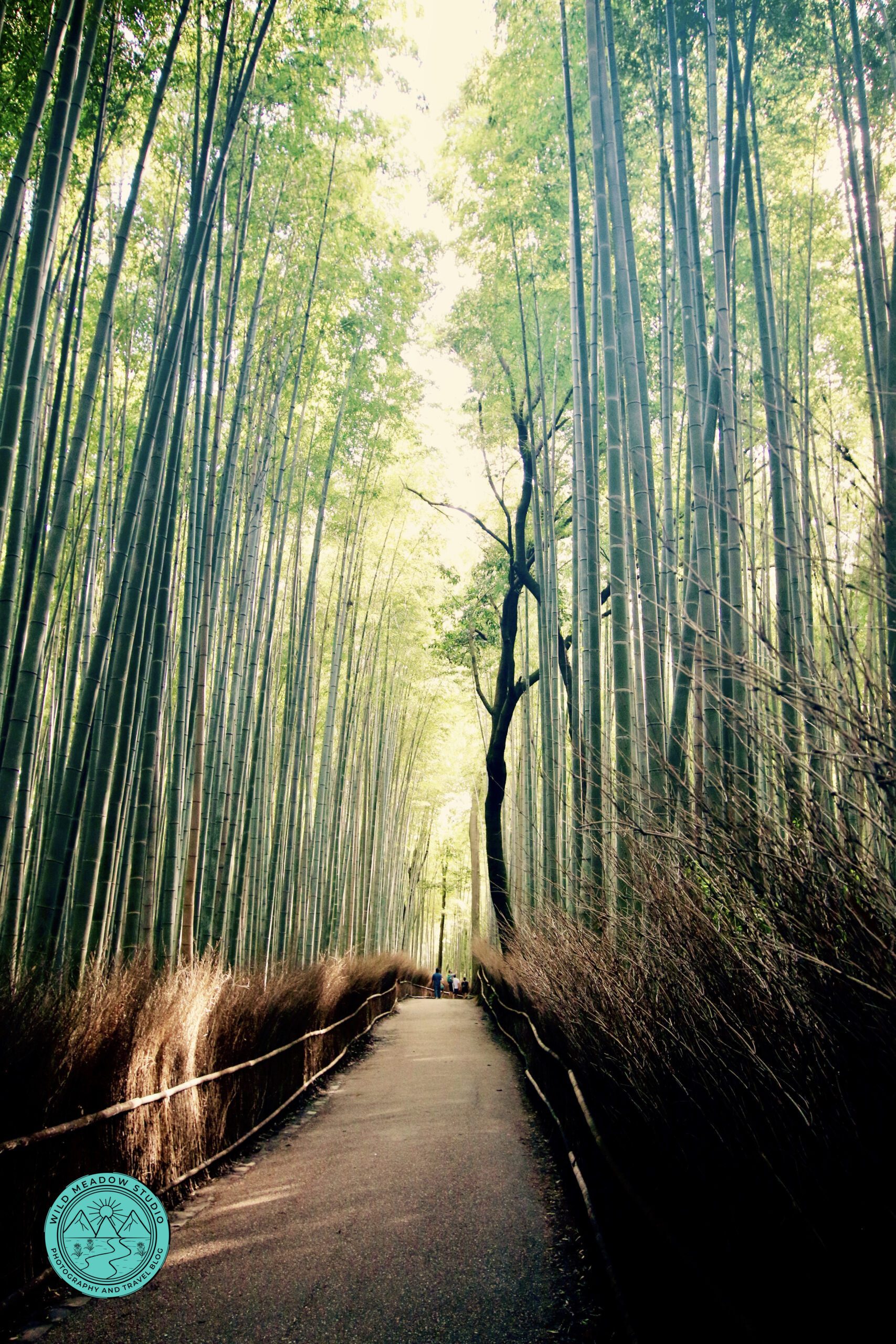
Bamboo Grove in Arashiyama
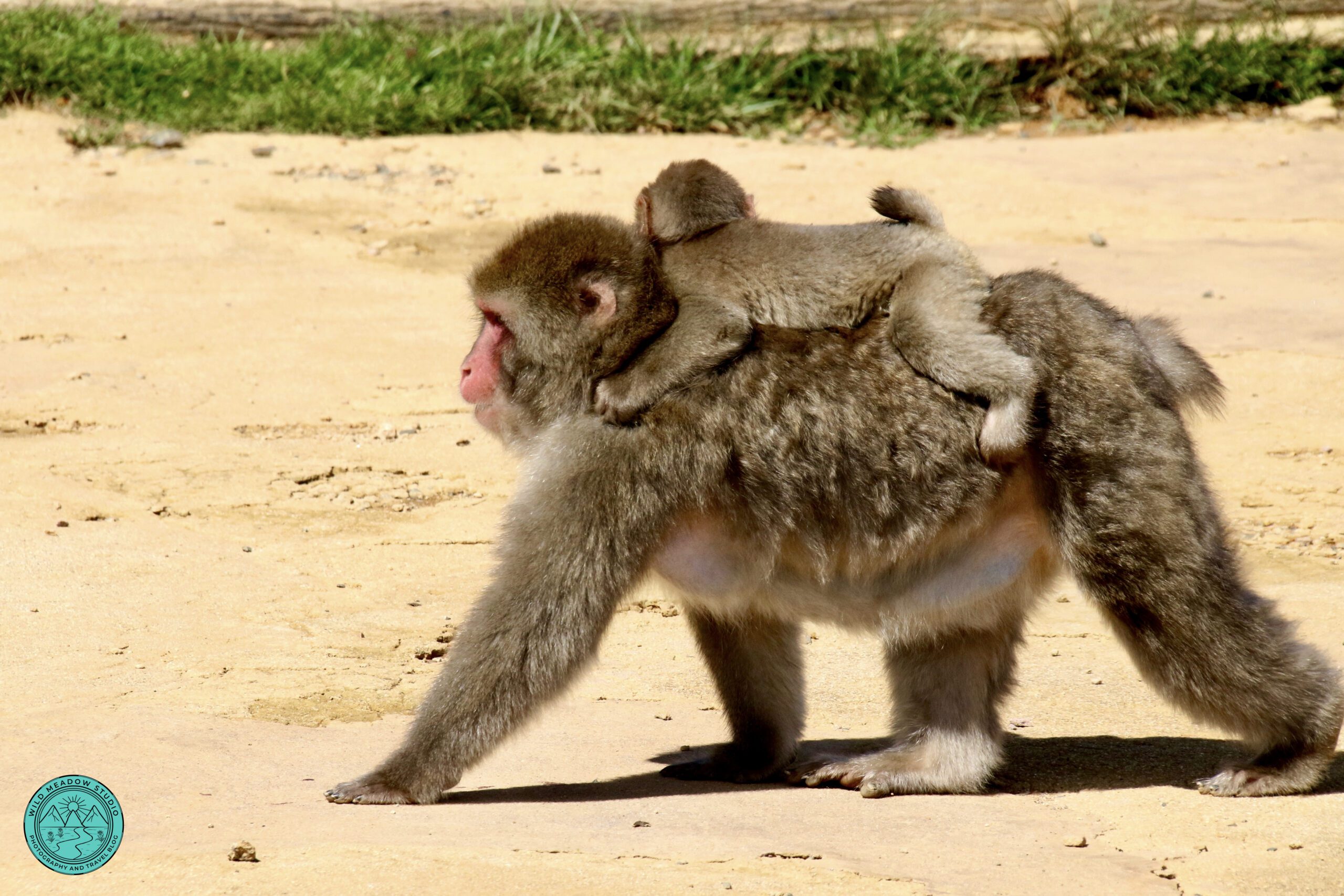
Snow Monkeys in Arashiyama
7. Arashiyama District (and Snow Monkeys Experience):
Located on the western outskirts of Kyoto, Arashiyama is a picturesque district known for its natural beauty, historic temples, and traditional atmosphere. Once a retreat for Japanese nobles during the Heian Period (794–1185), the area remains one of Kyoto’s most popular destinations. Visitors come to stroll through the famous Bamboo Grove, cross the iconic Togetsukyo Bridge, and explore centuries-old temples nestled among forested hills.
One of the area’s unique highlights is the Iwatayama Monkey Park, where visitors can hike up a hillside trail to observe wild Japanese macaques (often called “snow monkeys”) up close in their natural environment, with sweeping views over Kyoto from the top.
Arashiyama is especially beautiful during cherry blossom season and autumn foliage, when the landscape transforms into vibrant shades of pink, red, and gold. But with its blend of cultural landmarks, river scenery, and peaceful walking paths, it offers a memorable escape from central Kyoto any time of year.
Don’t miss:
- Arashiyama Bamboo Grove
- Togetsukyo Bridge
- River views and boat rides
- Nearby snow monkey viewing experiences
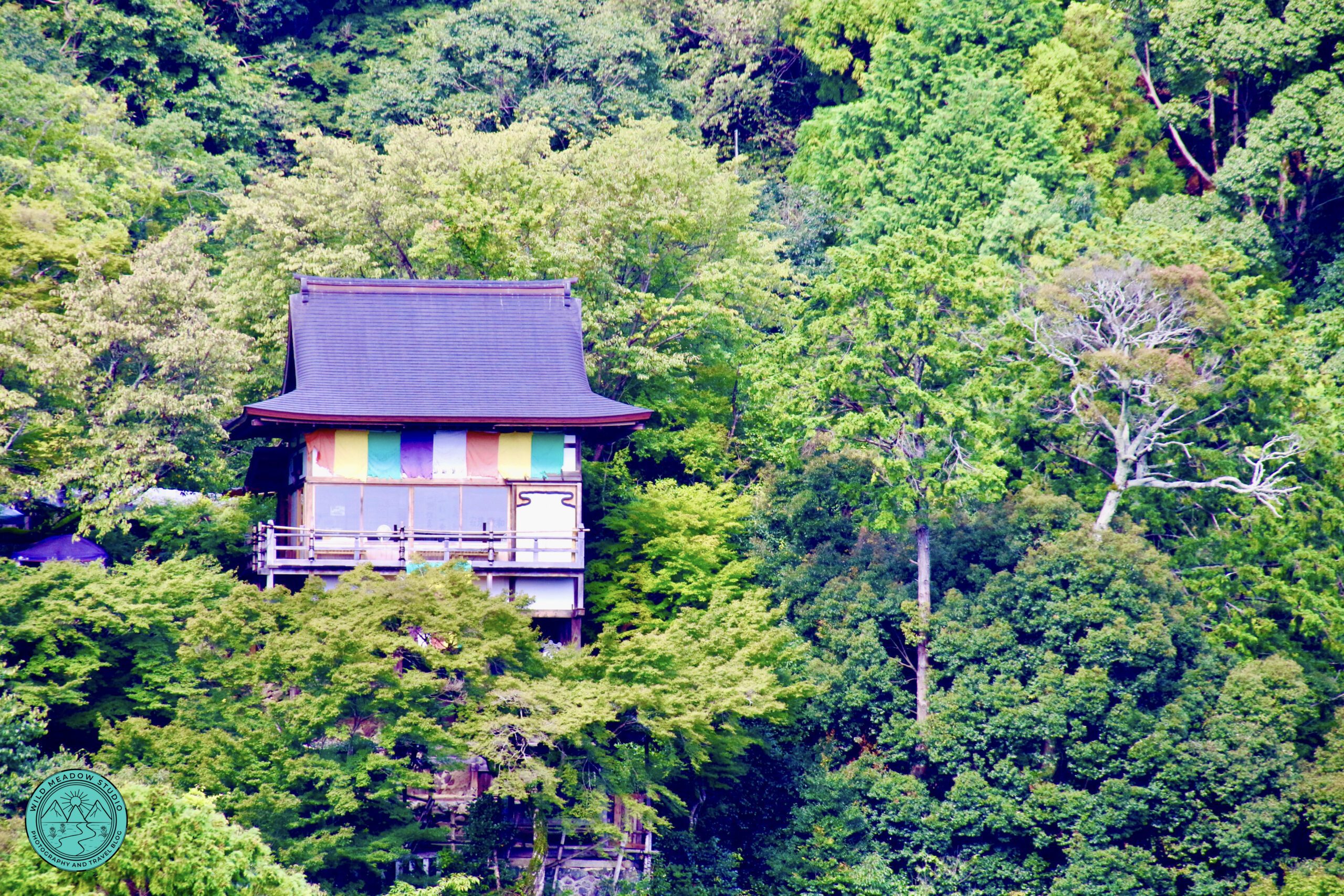
Views in Arashiyama
3. A Few Quick Tips for Visiting Kyoto:
- Start early – popular spots like Fushimi Inari and Arashiyama get crowded fast.
- Plan around seasons – cherry blossom and autumn foliage are peak times, beautiful, but more crowded.
- Wear comfortable shoes – you’ll be walking a lot on uneven paths.
- Be respectful in temples and residential areas – Kyoto is deeply traditional.

Plan Better. Travel Slower. Capture More.
4. References:
For our Kyoto Travel Series, we created our top things to do, itinerary, and tips and recommendations from our own experiences, as well, we leaned on a mix of trusted guidebooks, including DK Eyewitness Japan Travel Book, which helped shape our adventure. In addition to the books, it’s helpful to reference official tourism websites, (Kyoto.travel) attraction sites, public transportation resources (like trains, buses, and ferries), and a few local food blogs to see what local foods piques your interest. Google Maps for driving and walking distances, and tour apps for the activities, like Get Your Guide, Viator and Expedia. We hope you find these top things to do helpful when you plan your own adventure to this ancient and tranquil city.
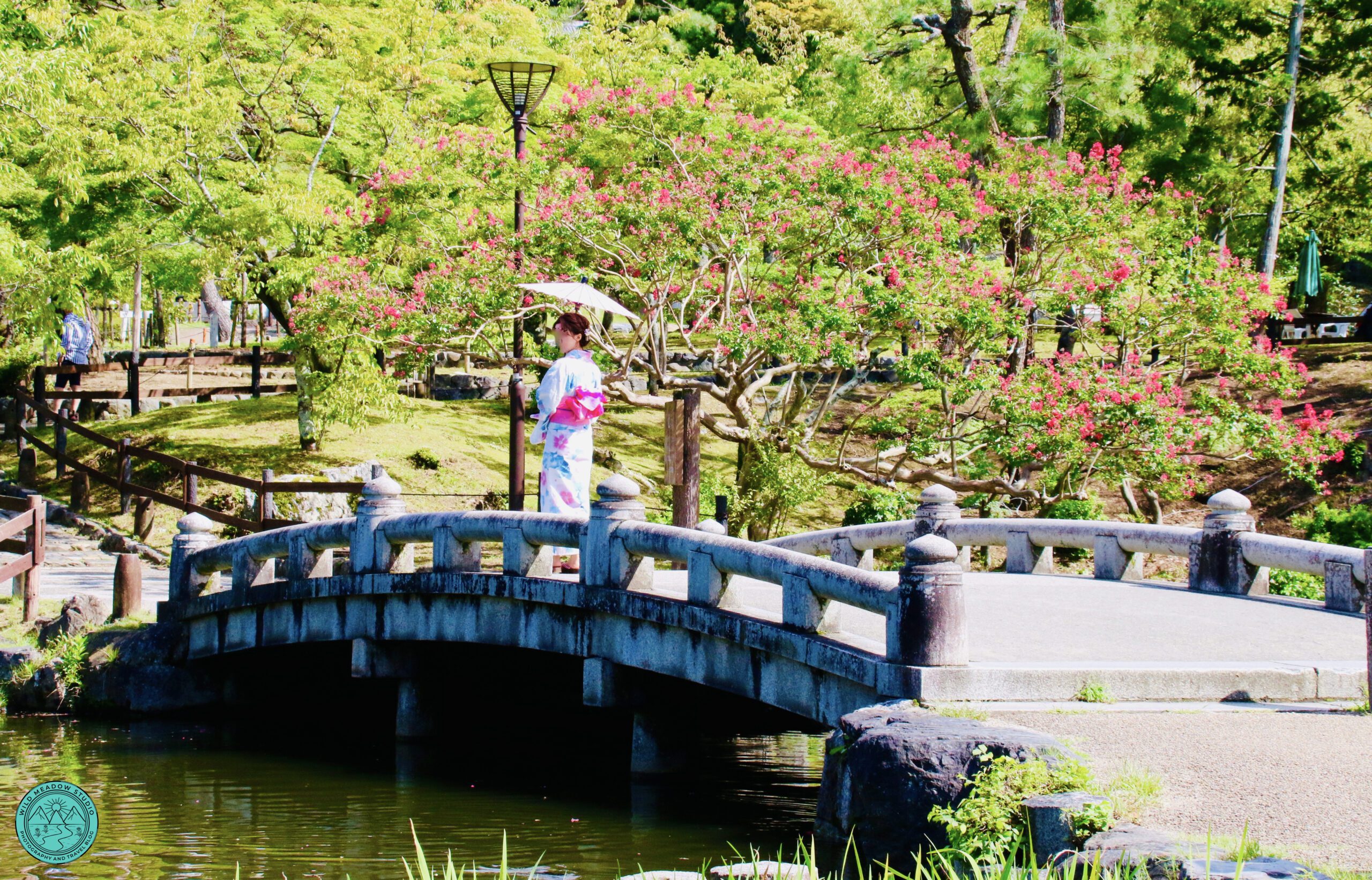
Kyoto
5. The Wrap up:
Kyoto is not a city you rush—it’s a place you experience slowly. Whether you’re wandering the peaceful Philosopher’s Path, exploring the historic streets of Gion, standing beneath thousands of torii gates at Fushimi Inari, or taking in the natural beauty of Arashiyama, you’ll want to savour every minute.
It’s a city where old Japan still lives and breathes, enhancing its everyday life.
Give Kyoto time, and it will reward you with memories that stay long after your trip ends.
Our relaxed, early morning travel style is something we love, so much so, we wrote a blog and 2 free downloadable travel guides on it, “Your Daily Slow Travel Planner + Bonus Slow Morning Blueprint” request your free copies at the top of the page or through one of our pop ups.
Plan Better. Travel Slower. Capture More.
Thank you,
Beth
Beth de Verteuil
Wild Meadow Studio
Plan. Travel. Capture.